Are you looking to breathe life into your garden and add some much-needed height? If so, you’re in the right place. I created this post because I know how challenging it can be to make a flat yard feel vibrant and dynamic. Whether you’re a seasoned gardener or a beginner with a green thumb, these berm landscaping ideas can transform your outdoor space into a stunning visual masterpiece.
This guide is for anyone who craves a garden that stands out. If you love to cultivate a unique space filled with color, texture, and interest, you’ll find inspiration here. Many gardeners overlook the potential of elevation, but with the right techniques, you can turn your flat garden into a multi-layered paradise.
In this post, I’ll share 10 creative berm ideas that focus on vertical gardening techniques. You’ll discover how to design raised garden beds, create pollinator-friendly spaces, and even incorporate water features. These ideas are not just about aesthetics; they also bring functionality, such as attracting beneficial insects and providing fresh produce. You’ll leave with practical tips that you can implement right away to elevate your outdoor experience and enjoy your garden even more.
Let’s dig in and explore how to maximize your garden’s beauty with these clever berm landscaping ideas!
Key Takeaways
– Multi-tiered berms can create stunning visual interest in your garden while offering diverse planting conditions.
– Combining rocks and plants can enhance your garden’s texture and stability, making it easier to maintain.
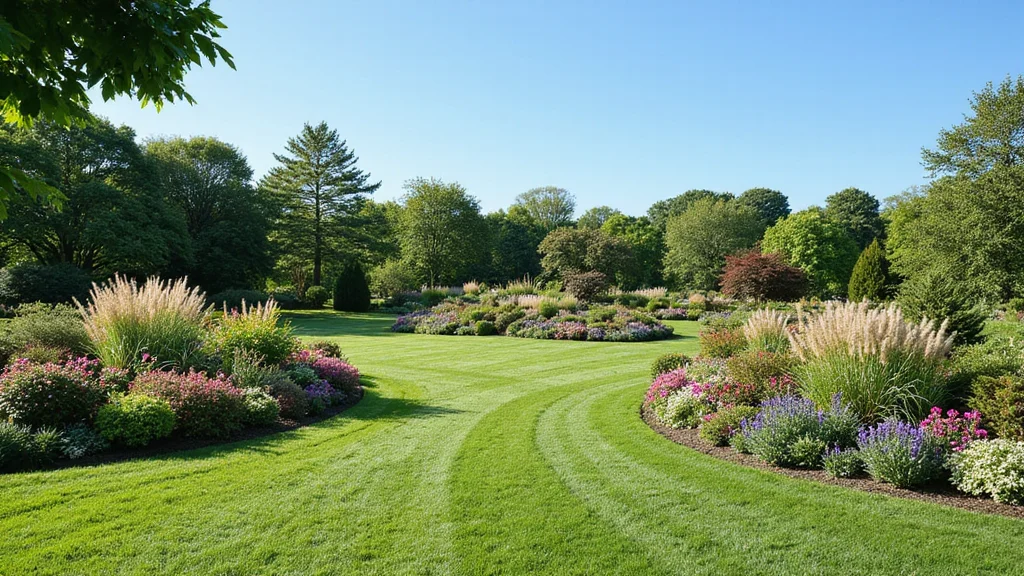
– Curved and flowing shapes encourage a natural look, drawing the eye and softening hard edges in your landscape.
– Integrating raised garden beds with berms can help maximize space while making gardening easier on your back.
– Seasonal color rotation keeps your garden lively year-round, making it a dynamic focal point in your outdoor space.
1. Multi-Tiered Berms

Multi-tiered berms add height and depth to your yard, giving the landscape a sculpted feel. Stacked mounds create distinct planting zones, with each tier hosting a mix of flowers, shrubs, or small trees that cascade visually. As seen on Pinterest boards and in garden guides, this setup adds texture and movement to flat spaces. The result is a warm, welcoming landscape that invites closer look.
Start with a simple slope or edge and build gradually. Keep edges defined with stones or timber, and add mulch for neat separation. Plan for good drainage between levels so water drains away. With careful plant choices, you can seasonally shift color across tiers, making the space feel alive.
• Use plants of varying heights to create depth
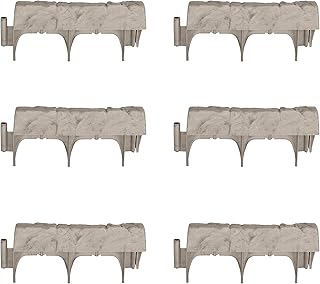
• Choose natural edging stones to define tiers clearly
• Add drainage features like gravel layers beneath zones
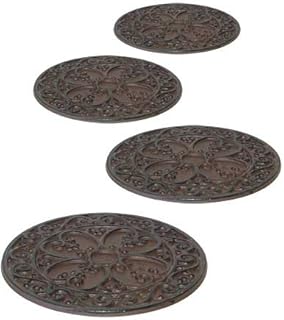
• Place stepping stones for easy access between levels
This approach brings height, texture, and life to your yard.
Multi-Tiered Berms
Editor’s Choice

EasyFlex No-Dig Landscape Edging with Anchoring Spikes, 2.7 in Tall Deco…


Emsco Group 2032HD Bedrocks Trim-Free Gray, 20 Feet – Natural Stacked Sl…
Suncast Interlocking Border Edging – Stone -Like Poly Construction for G…
BestNest Esschert Design Classic Stepping Stones, Pack of 4 – 11″ Cast I…

Miracle-Gro Organic All Natural Mulch, Bagged and Shredded Mulch Landsca…
2. Rock and Plant Combinations

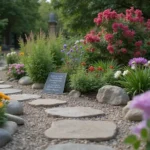
Rocks anchor your berm and give it a sturdy, natural look. Boulders at the base create a grounded foundation, while smaller stones add texture between plants. Combining drought-tolerant plants like sedums with rugged rock creates a low maintenance scene. As seen in drought-smart garden guides, this mix brings quiet drama to slopes.
Think about balance and color harmony as you place rocks. Use larger rocks as anchors and fill gaps with small stones. Choose plants that tolerate rocky soil and sun, like sedums. This setup is easy to care for, letting you enjoy a tidy, attractive bed.
• Place large boulders at berm base for grounding
• Use smaller stones to add texture between plants
• Choose drought-tolerant plants like sedums and succulents for rocky soils
• Complement rocks with color-coordinated plant groups for cohesion
This rock blend looks steady and easy to maintain.
Rock and Plant Combinations
Editor’s Choice

Sedum Tile, Live Sedum Succulent Planter, Stonecrop Plant Sedum Mat, Pre…

Perennial Farm Marketplace Sedum x ‘Autumn Joy’ (Stonecrop) Groundcover,…

15 lbs White Rocks for Landscaping, 1-2 inch Large White Rocks for Plant…

20 lbs Natural River Rocks Mexican Beach Pebbles, 2-3 Inch Decorative Ri…

Southwest Boulder & Stone Landscape Rock and Pebble | 20 Pounds | Natura…
3. Curved and Flowing Shapes

Curves soften the berm and bring a gentle flow to the yard. They guide the eye around the bed and make space feel larger. This shape is widely used in naturalistic gardens and on design blogs. Together with plant groupings, curves create a welcoming path through your space.
Sketch curves with hoses or string to map the lines. Keep the budget friendly by using mulch and existing plants. Pair curves with a mix of textures to enrich the display. The result is inviting and soothing, perfect for relaxed gatherings.
• Use soft curved berm lines to guide sight
• Choose plants with arching forms to match curves
• Place winding paths to invite exploration around the bed
• Pair with mulched edges for clean finish and polish
Curves invite you to wander and enjoy the garden.
Curved and Flowing Shapes
Editor’s Choice

Landscape Edging 2.5 Inch Tall 100 FT, Black Edging for Landscaping with…

Gardzen Landscape Edging Kit, 40-Foot Long, 3-Inch Tall, No Dig Garden E…

Landscape Edging 4 Inch Tall 40FT with 50Pcs Metal Spikes, Plastic Garde…

Landscape Edging 33FT, Garden Edging (4IN High) with 50pcs Spikes, Plast…
Miracle-Gro Organic All Natural Mulch, Bagged and Shredded Mulch Landsca…
4. Raised Garden Beds Integrated with Berms

Raised beds on a berm lift height and make soil work easier. They boost drainage, simplify soil mixes, and give a bold vertical touch. Pair natural wood or stone framing with the berm for a cohesive look. This setup suits small yards and urban plots, echoing city garden ideas.
Plan to place beds where sun shines longest. Fill beds with herbs, flowers, or vegetables to add variety. Keep edges soft by letting trailing plants drape over the sides. Use raised beds on top of the berm keeps paths simple and neat.
• Build raised beds on top of the berm for height
• Plant herbs or flowers to add color and scent
• Use cedar or stone to frame beds for natural look
• Plant trailing plants down the sides to soften edges
This combo adds function and a strong look to your landscape.
Fun fact: In berm landscaping ideas, raised beds on a berm lift soil height by 6-12 inches and boost drainage by up to 30%. Plan sunniest spots and let trailing plants drape over edges for a soft, garden-city vibe.
Raised Garden Beds Integrated with Berms
Editor’s Choice

EARTH ELEVATED 100% Canadian Cedar Wood Elevated Garden Bed for Gardenin…
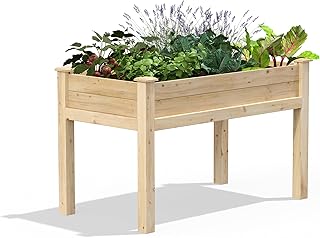
Greenes Fence Original Cedar Elevated Garden Bed, 24″ W x 48″ L x 31″ H …

Cedar Raised Garden Bed, 4ft x4ft, 12-inch Height, Drainage, Heavy Duty,…

Western Red Cedar Raised Garden Bed (8ft L x 2ft W x 9in H), Wood Plante…

Infinite Cedar Premium Cedar Raised Garden Bed – 1″ Thick Wood (4′ x 8′ …
5. Pollinator-Friendly Berms

Pollinator berms invite bees and butterflies to your yard. Plant bee balm, coneflowers, lavender, and native wildflowers for color and nectar. Group blooms in clusters so insects can find them fast. Place the beds in sunny spots to maximize visits.
Skip chemical sprays so pollinators stay safe. Provide water in shallow dishes near blooms. Share your tips with neighbors and friends. The result is a buzzing, lively space that helps nature.
• Group plants in clusters to help pollinators find them
• Avoid pesticides to keep bees and butterflies safe
• Provide water sources like shallow dishes near blooms
• Educate others about pollinators and share knowledge to build awareness
These berms help wildlife and your garden glow with life.
Pollinator-Friendly Berms
Editor’s Choice

BUZZY Wildflower Pollinator Seed Mix (1lb Bag), 18 Pollinator-Friendly V…

Native Plant Seeds for Planting 24 Variety Pack – Perennial & Annual Nor…

Premium North American Native Wildflower Seed Mix, No Fillers, 1/2 LB

Nature’s Seed California Native Wildflower Seeds Mix Blend, Annual and P…

Hale Habitat & Seed Bee Lawn Mix, Pollinator Friendly & Low Maintenance,…
6. Seasonal Color Rotation

A berm can shift its look with the seasons. Choose plants that bloom at different times to keep color fresh. Spring bulbs, bright summer blooms, and autumn foliage all mix. Evergreens add texture when colder months arrive.
A berm doesn’t have to be static; embracing seasonal color changes can keep your landscaping fresh and exciting year-round. By carefully selecting plants that bloom at different times, you can design a berm that evolves with the seasons.
• Plant early bloomers like tulips for spring color
• Mix summer blooms like zinnias for warmth and brightness
• Add fall textures with asters and goldenrod for late color
• Include evergreens for winter interest and subtle color
A rotating color plan keeps your berm alive year round.
Seasonal Color Rotation
Editor’s Choice
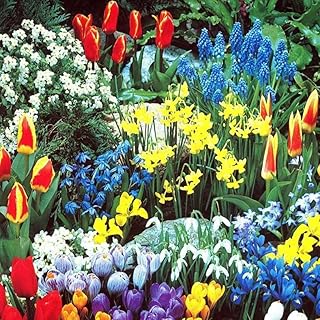
Complete Spring Flower Bulb Garden – 50 Bulbs for 50 Days of Continuous …

50-Pack Bulk Mixed Tulips Flower Bulbs – 50 Bulbs per Pack – Good as Cut…

Flowers Bulbs for Fall Planting, Perennial Flower Bulbs, Early Spring Fl…

Asiatic Lilies Mix (10 Pack of Bulbs) – Freshly Dug Perennial Lily Flowe…

7. Edible Landscapes on Berms

Turn the berm into a food garden by adding edible plants with ornamentals. Edible edges can host berry bushes while the center holds fruit trees and herbs. Herbs like rosemary, thyme, and mint scent the air and feed the kitchen. Mix flowering and edible plants for a lively display.
Start small with a few herbs or berries. Choose compact trees or dwarf varieties for height on the berm. Build healthy soil with compost and mulch and water deeply. Maintain with regular harvests and simple care.
• Plant berry bushes along berm edges for easy picking
• Add dwarf fruit trees for height and fruit
• Use herbs for scent and flavor in cooking
• Mix flowering and edible plants for balance throughout the bed
Your berm becomes a tasty, attractive space you can enjoy daily.
Edible Landscapes on Berms
Editor’s Choice

Patio Fruit Plant Variety Pack – 4 Live Starter Plants – One Each of Fig…

Brighter Blooms – Dwarf Red Delicious Apple Tree, 4-5 Ft. – A Supermarke…
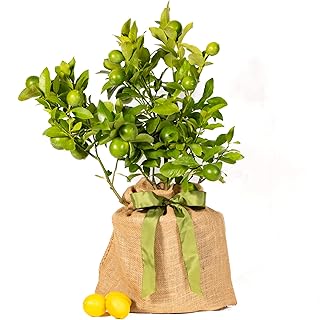
Meyer Lemon Gift Tree, Dwarf Fruit Tree with Sweet Juicy Lemons, Live In…

PERFECT PLANTS Apache BlackBerry Bush 1 Gallon | Live Thornless Fruit fo…

Calamondin Orange Tree | 2.5–3 Feet Tall Live Plant | Easy to Grow Indoo…
8. Water Features on Elevated Berms

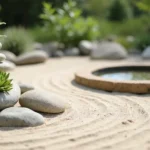
Integrating water features into your berm landscaping adds tranquility and allure to your garden. By placing a small pond, fountain, or water cascade on or near your berm, you’ll create a stunning focal point that invites nature and relaxation. Position water features at varying heights to enhance the elevation aspect of the berm. Surround water areas with moisture-loving plants to maintain balance in your ecosystem. Use natural stones and plants that complement the design, creating a cohesive look. Make sure to consider safety by using shallow designs or fencing if necessary. The sound of flowing water can create a calming atmosphere, perfect for relaxation.
Water features not only look beautiful but also attract birds and other wildlife, enriching your garden experience.
• Place ponds or fountains at berm height variations
• Surround water with moisture-loving plants for color and balance
• Use natural stones for a cohesive look around the edge
• Ensure safety with shallow design or fence if needed
Water features invite wildlife and make the berm a peaceful retreat.
Water features on elevated berms instantly elevate curb appeal—and yes, they can boost the wow factor by 40%. Place a small pond or fountain at different heights to weave movement into your berm landscaping ideas, while moisture-loving plants keep the ecosystem balanced.
Water Features on Elevated Berms
Editor’s Choice

POPOSOAP 75W Solar Water Pump with Pond Waterfall Box, 304 Stainless Ste…

POPOSOAP 20W Solar Water Pump, Solar Powered Water Pump Outdoor with 320…
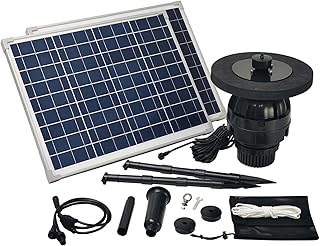
50W Floating Solar Pond Fountain Complete Pump Kit for Ponds 3 ft or Dee…

POPOSOAP 70W Solar Pond Filter with Fountain Pump, Solar Powered Water P…

POPOSOAP 8W Solar Fountain Pump with Built-in 3600mAh Battery, Solar Pow…
9. Nighttime Lighting on Berms

Don’t let your berm fade after dark. Lighting lets it shine and extends time spent outdoors. Solar lights are easy and cheap, while LEDs offer bright options. You can place uplights at key plants and string lights along edges. Path lights guide visitors along the slopes.
Use solar lights to save energy in all areas. String lights along berm edges for magic at night. Add spotlights to highlight focal plantings and art. Place pathway lights to define walkways around the bed.
• Use solar lights to save energy in all areas
• String lights along berm edges for magic at night
• Add spotlights to highlight focal plantings and art
• Place pathway lights to define walkways around the bed
Evening glow makes the berm a warm, usable space.
Nighttime Lighting on Berms
Editor’s Choice

KOOPER Taller Solar Pathway Lights Outdoor, 8 Pack Upgraded Brighter Sol…

Bright Solar Pathway Lights Outdoor, 8 Pack Solar Powered Garden Lights …

GIGALUMI Solar Lights Outdoor Waterproof, 6 Pack LED Solar Garden Lights…
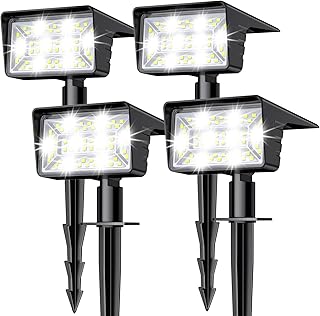
Solar Spot Lights Outdoor with 60 LED & Auto On/Off, 4 Pack Solar Lights…

addlon 54(48+6) FT Solar String Lights Waterproof,Patio Lights Solar Pow…
10. Unique Planters and Sculptures

Add bold planters and garden art to make the berm a focal point. Try repurposed items like old boots or crates as planters. Choose sculptures or metal pieces that match your home style. Stack or cascade pots to create height and motion.
Use repurposed items like old boots as planters. Add sculptures or garden art that fits your style. Stack planters of different heights for depth. Cascade planters to soften edges around the bed.
• Use repurposed items like old boots as planters
• Add sculptures or garden art that fits your style
• Stack planters of different heights for depth
• Cascade planters to soften edges around the bed
These touches show your personality and make the berm feel truly yours.
Did you know that using three different planter heights can boost visual height by about 20%? These repurposed pieces—boots, crates, and stacked pots—are quick wins for berm landscaping ideas, turning the berm into a focal point in under an hour.
Unique Planters and Sculptures
Editor’s Choice

VECELO 5 Tier Vertical Garden Planter, Self Watering Stackable Planters …

VIVOSUN 5 Tier Vertical Gardening Stackable Planter for Strawberries, Fl…

Mr. Stacky 1305-HG 5-Tier Stackable Strawberry, Herb, Flower, & Vegetabl…

Mr. Stacky 5 Tiered Vertical Gardening Planter, Indoor & Outdoor

Stackable Planter with Wheels and Tools, 7 Tier Vertical Garden Planting…
Conclusion

Elevating your gardening with berm landscaping is a wonderful way to combine beauty and functionality. Each of these ideas offers a unique way to enhance your outdoor space, making it a true reflection of your personality and style. Experiment with different techniques and find inspiration to create that dream garden!
What idea resonates with you the most? Tap into your creativity and let your garden bloom with life!
Note: We aim to provide accurate product links, but some may occasionally expire or become unavailable. If this happens, please search directly on Amazon for the product or a suitable alternative.
This post contains Amazon affiliate links, meaning we may earn a small commission if you purchase through our links, at no extra cost to you.
Frequently Asked Questions
What are berm landscaping ideas and how can they add height and garden interest?
Berm landscaping ideas involve shaping soil into mounds that lift planting levels and create vertical drama. They let you add height without towering structures, guide sightlines, and form microclimates for different plants. By using landscape elevation techniques, you can design layered berms that feel natural and intentional. To get started, pick a focal point, decide how high the berm should be, and mix textures from tall ornamental grasses to low-growing groundcovers. Add a simple path or seating area along the edge to invite exploration and highlight shadows at different times of day.
For more inspiration, think about combining creative garden berms, raised garden beds, and other outdoor landscaping tips.
How do I design a berm garden to maximize height without overwhelming the space?
Start with a solid berm garden design plan. Use gentle curves that create a natural silhouette, place the tallest plants at the rear or center, and layer mid-height plants in front to soften edges. Consider multiple small berms connected by a low ridge rather than one huge mound to maintain balance. Ensure proper drainage so water doesn’t pool and soil doesn’t erode. Repeating shapes and materials along a border helps unify the look with landscape elevation techniques.
Add practical touches like a narrow walkway, edging, or a bench and think about how outdoor landscaping tips can guide maintenance.
Which plants thrive on berms for year-round color and low maintenance?
Choose plants that suit your sun exposure and soil depth. For sunny berms, try tall grasses or daylilies at the back, mid-height shrubs like hydrangea or salvia, and groundcovers such as creeping thyme or Sedum near the edges to prevent erosion. For shaded sections, hostas and ferns work well, with smaller flowering perennials for color. Regular deadheading and periodic division keep the display fresh. Using berm landscaping ideas in combination with raised garden beds can simplify maintenance and improve drainage.
A smart mix of evergreens for winter structure with deciduous accents keeps the berm interesting year-round.
How can I build berms with raised garden beds for practical use?
Start with a site plan and to-scale dimensions. Build the berm using compacted soil and add sturdy edging to prevent movement. Install drainage solutions such as perforated pipe or a French drain beneath the berm. Install raised garden beds on top or along the sides to create functional planting zones, elevated seating, or a micro-terraced look. Use durable materials like cedar or concrete blocks and align the beds with the berm’s slope for easy access. Mulch well, and use groundcovers on the slope to reduce erosion.
This approach combines berm landscaping ideas with practical outdoor landscaping tips for long-lasting beauty.
What maintenance tips help berms stay stable and attractive over time?
Regular maintenance keeps berms looking sharp. Check after heavy rainfall for signs of erosion and add mulch or regrade as needed. Water deeply but less frequently to encourage deep roots, and use irrigation drip lines along the berm to minimize runoff. Prune to maintain shape and replace any washed-out soil. Refresh edging and reseed worn areas to maintain the height and form. Plan seasonal tweaks—in spring you’ll refresh plantings, in fall you’ll cut back and add protective mulch. All of this aligns with outdoor landscaping tips and helps preserve the impact of your berm landscaping ideas.
Related Topics
berm landscaping
vertical gardening
landscape elevation
creative garden design
raised garden beds
outdoor landscaping
beginner friendly
easy gardening tips
seasonal gardening
garden aesthetics
sustainable landscaping
DIY garden projects