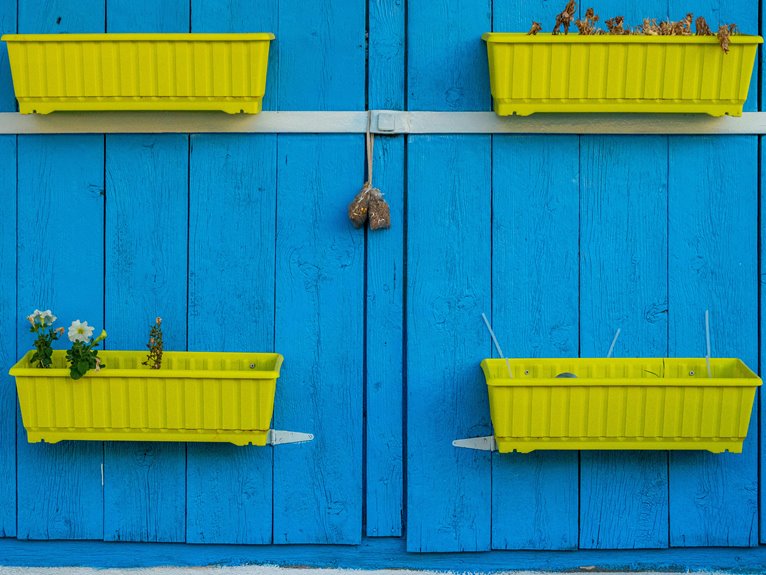
Do Planter Boxes Need a Bottom? It depends on your setup. Bottomed planters protect decks and patios from soil staining but need drainage holes every 6 inches to prevent waterlogging.
Bottomless boxes let roots expand deeper and access air more easily, but work best on ground level. If pests are an issue, add hardware cloth underneath.
The real trade-off? Surface protection versus root health. There’s more to consider about materials and installation specifics that’ll help you pick the right approach.
Do Planter Boxes Actually Need a Bottom?
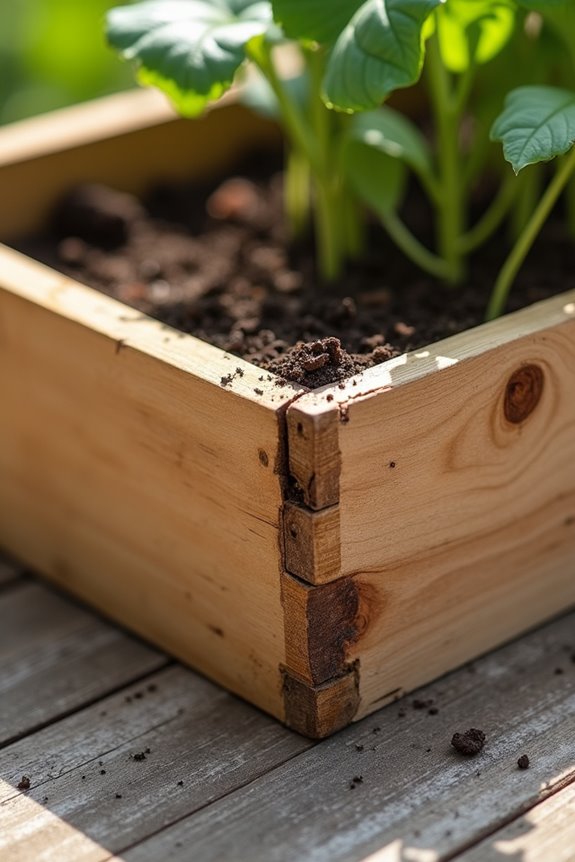
The real trick? If you add a bottom, drill drainage holes every 6 inches. Otherwise you’re creating a bathtub effect that defeats the whole purpose.
How Bottoms Affect Drainage and Root Growth
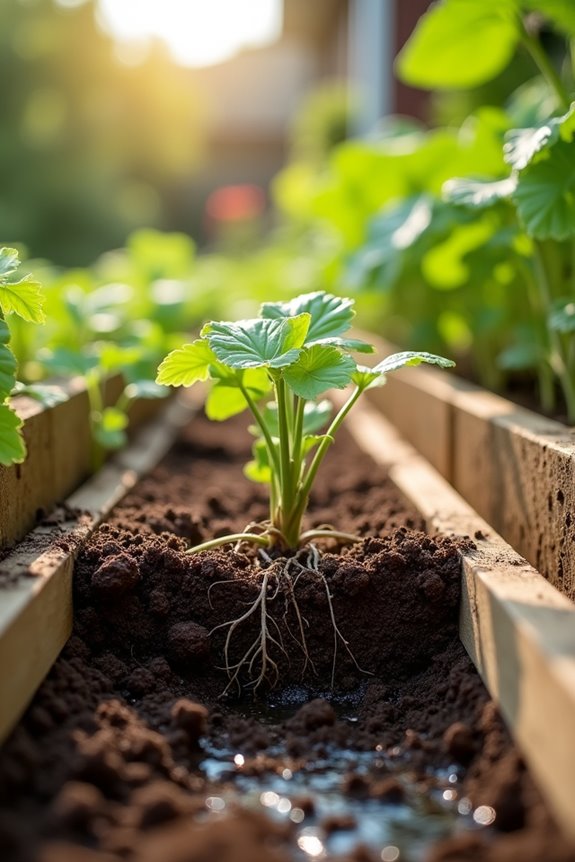
While you might think a solid bottom keeps everything contained, it’s actually your drainage setup that determines a planter’s success.
A bottomed design with drainage holes prevents waterlogging—that soggy mess that suffocates roots. I space holes about every 6 inches to let excess water escape. Without proper drainage, your soil becomes compacted and oxygen-starved, stunting root growth.
Bottomless planters work differently. They sit directly on soil or surfaces, allowing natural water movement and better gas exchange. Your roots get more breathing room.
Here’s the practical takeaway: if you want a bottomed planter, install adequate drainage holes. For deep-rooted vegetables like carrots and potatoes, consider bottomless designs that give roots unlimited underground expansion space. Either way, drainage is the key factor.
Protecting Surfaces: When a Bottom Becomes Essential
Where you’re placing a planter matters just as much as what’s growing inside it. I’ve learned this the hard way—wood decks, concrete patios, and balconies need protection from soil staining and moisture damage. That’s where a bottom comes in.
Where you place a planter matters as much as what grows inside it—protect your surfaces from soil staining and moisture damage.
When You Absolutely Need One:
- Wooden surfaces (decks, porches)
- Concrete that’ll discolor
- Flat roofs holding raised beds
A solid bottom shields your investment, but here’s the catch: you can’t just seal it up completely. I always drill drainage holes or add a drainage layer underneath. Without proper water escape routes, you’re creating a bathtub effect that drowns roots. Steel or wood bottoms work best, sitting elevated while protecting what’s beneath. It’s about balance—protecting surfaces while keeping your plants in good condition.
Prevent Soil Loss and Pests With Bottom Barriers
If you’ve noticed soil washing out the bottom of your planter box during rain or watering, you’re not alone—and a good barrier material is your best fix. I’ll walk you through choosing effective materials like weed cloth or cardboard, plus how to install hardware cloth if you’re dealing with digging pests like voles and moles. Getting your barrier secured properly before you add soil keeps your garden bed contained and maintains its foundation.
Choosing Effective Barrier Materials
The right barrier material directly impacts your planter box setup. Soil disappearing through drainage holes and critters tunneling underneath beds are problems worth preventing.
What Works Best
Breathable barrier materials outperform plastic liners. Weed barrier fabric or cardboard layers prevent soil washout while maintaining proper drainage. Plastic alone traps moisture and defeats the purpose.
Layering for Success
For pest protection, combine hardware cloth at the bottom with landscape fabric on top. Hardware cloth deters burrowing pests like voles and moles, while fabric prevents soil loss. For serious protection, add stainless steel gopher netting beneath the soil.
Multiple cardboard layers suppress weeds effectively. The key is choosing breathable options that let water drain freely while keeping soil and pests where they belong.
Installing Hardware Cloth Protection
How do you stop voles and moles from tunneling up through your planter box while keeping soil from washing out the bottom?
Hardware cloth—a metal mesh with small openings—does both jobs.
I install it across the entire bottom of my bottomed bed, extending a few inches up the sides. The openings are small enough to block burrowing pests yet large enough to allow water drainage and root penetration.
Here’s my process:
- Measure your box interior
- Cut hardware cloth slightly larger than needed
- Secure it with staples or bent wire
- Layer landscape fabric or cardboard on top
- Add soil
This combination provides pest protection while maintaining proper drainage. Your planter stays functional without unwanted visitors tunneling beneath. It’s straightforward work that makes a real difference throughout the growing season.
Choosing Bottomless vs. Bottomed Planter Boxes
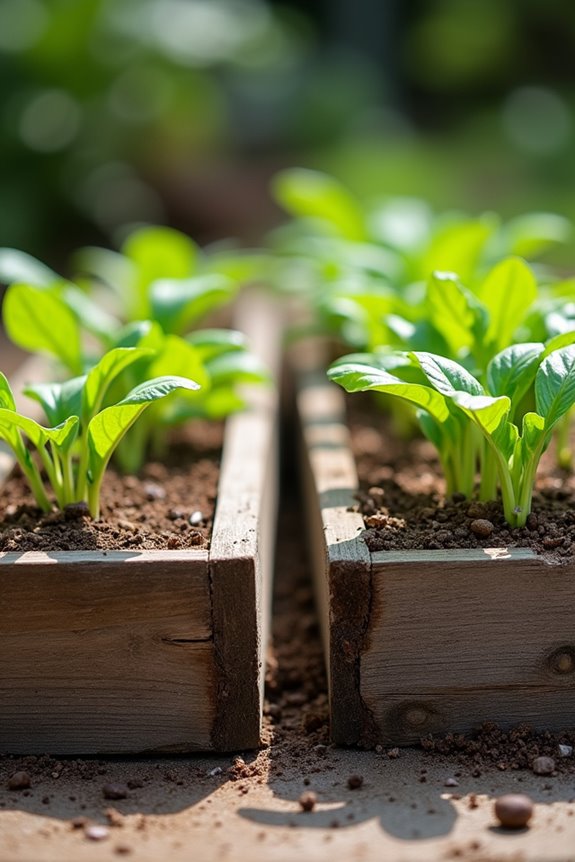
When you’re deciding between a bottomless or bottomed planter box, you’re weighing two competing concerns: how water and roots move through your soil, and how well you can keep pests out. Bottomless designs let roots grow directly into the ground below and rely on the soil surface for drainage, which works well if you have decent ground conditions. Bottomed boxes give you control—they let you add hardware cloth barriers (mesh that stops burrowing pests like voles) and manage drainage more carefully with drainage holes spaced every 6 inches or so. Your choice depends on where you’re planting (ground, deck, or sloped area), what pests you’re dealing with, and whether you want the simplicity of open drainage or the protection of a contained system.
Drainage And Root Growth
The Drainage Question
Drainage directly affects soil oxygen and root growth. Bottomless planters rely on what’s underneath them—if you’ve got porous ground, water drains naturally, and roots get the air they need.
Bottomed planters require drainage holes every 6 inches to prevent waterlogging. Without them, roots suffocate and rot takes over.
Root Growth Differences
Bottomless designs let roots expand deeper, which works well for carrots and other taproots. Bottomed planters contain roots but demand careful moisture management. Metal beds with bottoms need extra venting to avoid corrosion and moisture buildup.
Choose based on your soil conditions and what you’re growing.
Pest Protection Versus Accessibility
Pest Protection Versus Accessibility
Once you’ve settled on drainage needs, you’ll probably notice another factor pulling you in different directions: keeping pests out while letting plants grow.
The Pest Protection Trade-off
Here’s the reality: bottomless planter boxes let burrowing pests like voles and gophers tunnel straight into your soil. Bottomed planters create a barrier that stops them cold. If you’re in a high-pest area, a solid bottom is your friend.
Your Best Defense
Consider adding hardware cloth—a sturdy mesh material—underneath bottomed planters. This combination gives you serious pest protection while maintaining drainage through side openings.
The Accessibility Question
Bottomless designs work well when you want deep root growth for carrots and potatoes. But if pest pressure’s heavy where you live, that accessibility becomes a liability worth reconsidering.
Best Bottom Materials for Every Situation
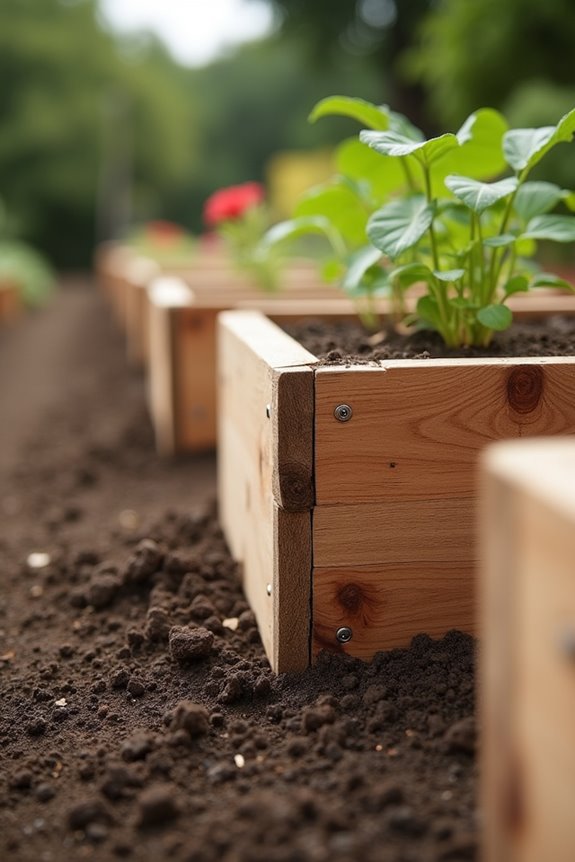
Steel options work well for durability. Galvanized steel resists rust, while corten steel develops a protective rust layer. Powder-coated finishes offer color variety without sacrificing strength.
Wood bottoms suit wooden boxes, though they’ll eventually rot. If you go this route, expect replacement within several years.
For drainage, you’ll want to drill holes every 6 inches. Landscape fabric underneath prevents soil loss while allowing water through. Add hardware cloth if pests concern you—it’s your first defense against burrowers.
Your surface matters too. Decks and patios need protection; bare soil doesn’t.
How to Install a Bottom
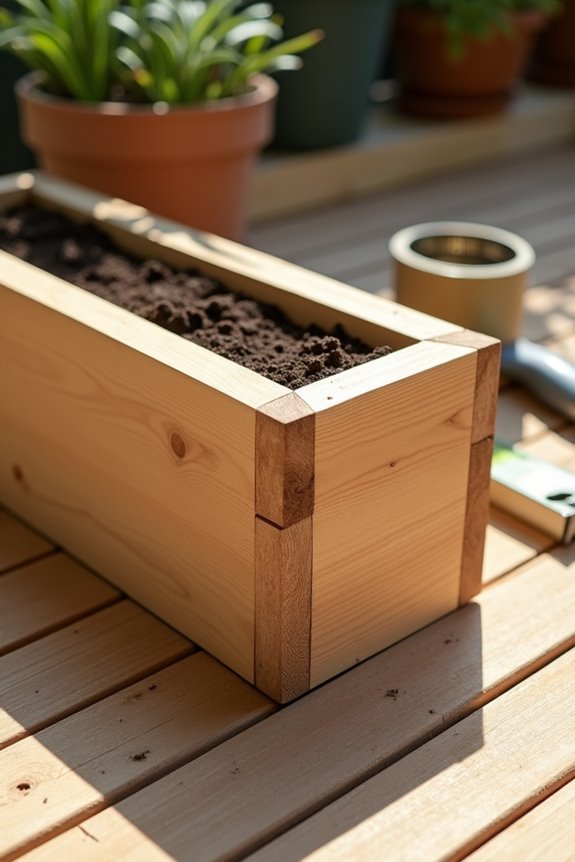
Installing a bottom on your planter box isn’t complicated, but you’ll want to get a few things right to avoid problems down the road. The process becomes straightforward once you understand the key components working together.
Essential Installation Steps:
- Position your barrier material (weed fabric, burlap, or cardboard) across the bottom first to prevent soil washout while maintaining drainage
- Drill or create drainage holes roughly every 6 inches to protect roots from waterlogging and rot
- Secure hardware cloth if you’re adding pest deterrence against burrowing animals, ensuring it doesn’t block water flow
For bottomed planters, measure twice before cutting. Metal options like galvanized steel require minimal maintenance, while wood designs need proper ventilation gaps beneath panels. This balanced approach keeps your surfaces protected while your plants remain healthy.