Plantar warts *can* disappear on their own, but don’t count on it. Your immune system fights the HPV virus over time, and kids clear them faster than adults do.
Still, you’re looking at anywhere from six months to several years for spontaneous resolution—if it happens at all.
The callus protecting the wart and weak immune response can keep them stubborn.
Most people find that treating them now beats the waiting game.
There’s plenty more to discover about your options.
What Are Plantar Warts and How Do They Form?
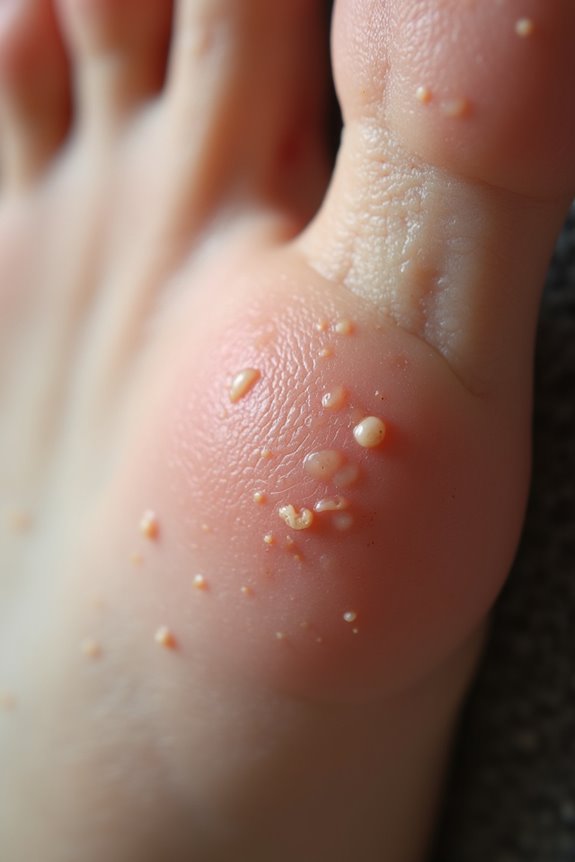
So what exactly is a plantar wart, and why does it seem like yours won’t quit? I’ll break it down: plantar warts are rough, grainy skin growths on your foot’s bottom caused by the human papillomavirus (HPV). They’re not just surface-level annoyances—they burrow inward under calluses due to pressure from walking.
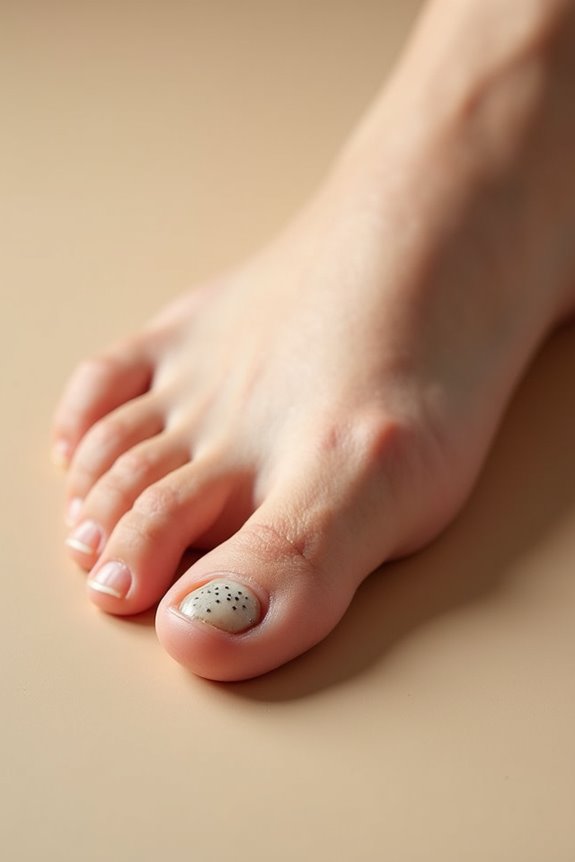
You’ll spot them by their distinctive appearance: bumpy texture with tiny black dots (clotted blood vessels). The virus enters through small cuts or weak skin spots, growing in warm, moist environments like locker rooms and pools. Anyone can catch this skin infection, though your age and immune system strength matter. Basically, transmission happens when your feet encounter the virus in vulnerable spots, and boom—you’re dealing with it.
How Common Are Plantar Warts in Children vs. Adults?
How Common Are Plantar Warts in Children vs. Adults?
Just how widespread are plantar warts among different age groups? Prevalence shifts notably based on age. Here’s what the data shows:
- Children and teenagers experience plantar warts most frequently—about 10% to 20% of youths develop them at some point
- Overall population affected sits around 10%, meaning younger people face higher risk than adults
- Spontaneous resolution occurs more predictably in children, though adults experience slower healing when it occurs
The HPV virus behind these warts doesn’t discriminate by age, but younger immune systems seem better equipped to handle them. While kids often see their plantar warts disappear within months or years without treatment, adults typically face more persistent cases. Understanding this age difference helps explain why your teenager’s wart might resolve faster than yours would.
Can Your Immune System Clear Plantar Warts on Its Own?
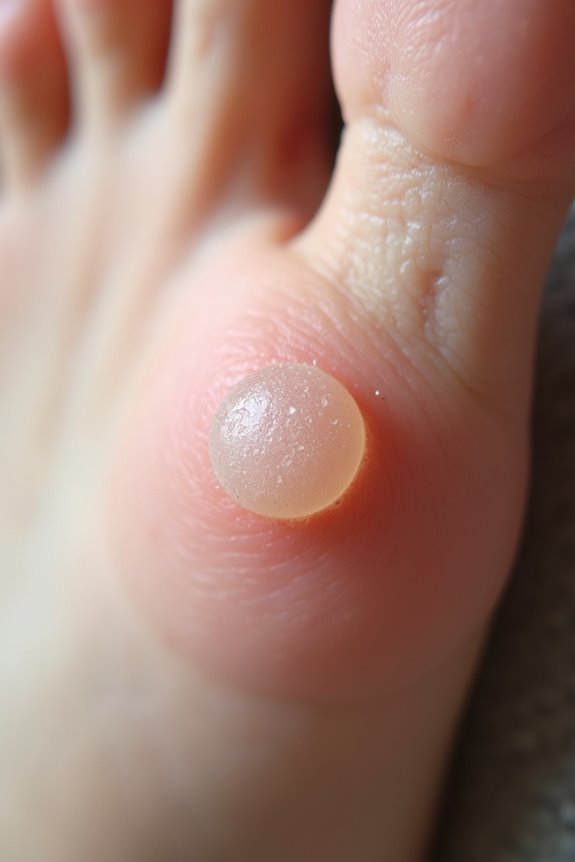
Your body fights HPV (the virus causing plantar warts) naturally over time. Spontaneous resolution happens when your immune system successfully eliminates the infection, though this process takes months or years for many adults.
Since children tend to clear plantar warts faster than adults, the difference lies in immune system strength. What influences your immune health:
- Quality sleep
- Balanced nutrition
- Stress management
However, relying solely on immune clearance isn’t always reliable. If your plantar wart persists, spreads, or causes pain, waiting becomes less practical. That’s when a treatment decision becomes necessary rather than optional.
Strengthen your immune system, but don’t ignore persistent warts—professional help ensures faster relief.
How Long Does It Take for Plantar Warts to Disappear Naturally?
How long you’ll actually wait for a plantar wart to vanish on its own varies wildly—and that’s the honest part nobody likes hearing.
How long plantar warts vanish on their own varies wildly—and that’s the honest truth nobody wants to hear.
Here’s what the timeline typically looks like:
- Children and teens: Spontaneous clearance happens faster, sometimes within months as their immune response kicks in
- Adults: We’re looking at months to years—your immune system needs time to recognize and fight the HPV strain
- Individual factors: Your specific immune response and the wart’s HPV type determine everything
The duration depends heavily on how your body’s defenses work. Some people see plantar warts disappear in six months; others wait three years or longer. While you’re waiting, they can spread to other foot areas or other people through shared surfaces. If nothing’s changing after extended time, getting professional treatment becomes worth considering.
Why Do Some Plantar Warts Persist Despite Time Passing?
Now here’s where things get frustrating—you’ve waited months, maybe even a year or two, and your plantar wart’s still hanging around like an unwelcome houseguest.
The Callus Shield Problem
That thick callus protecting your wart? It’s actually working against you. Over-the-counter treatments can’t penetrate deep enough to reach the HPV infection underneath. Meanwhile, your immune response might not be strong enough to eliminate the virus on its own.
Why Persistence Happens
Some plantar warts simply resist spontaneous resolution due to:
- Deeper viral growth beneath layers of skin
- Weak immune response to the specific HPV strain
- Repeated pressure from walking, encouraging the wart to burrow deeper
If your wart’s still present after waiting, it’s time to consider professional treatment rather than hoping for eventual resolution.
What Happens If You Don’t Treat a Plantar Wart?
If you leave a plantar wart untreated, you’re basically inviting two main problems: it can grow bigger and potentially spread to other spots on your foot or even to other people through shared surfaces like shower floors and towels. The pressure from standing and walking won’t do you any favors either—most folks find that untreated warts become progressively painful over time, making those daily activities more uncomfortable. So while some warts might eventually disappear on their own, the waiting game comes with real risks to your comfort and those around you.
Wart Growth And Spreading
What actually happens when you leave a plantar wart alone? I’ve learned that doing nothing doesn’t always mean the problem stays small. Here’s what typically occurs:
- Growth potential – Untreated plantar warts often grow larger due to constant pressure from walking and standing daily.
- Increased pain – As they expand, they become more uncomfortable, eventually affecting how you walk.
- Transmission risk – The HPV virus remains contagious, spreading to nearby foot areas or other people through shared surfaces like shower floors.
While spontaneous resolution does happen occasionally, your immune system isn’t guaranteed to fight it off quickly. Waiting carries risks, especially since spreading means more treatment complications later. Acting sooner prevents additional problems.
Pain And Mobility Issues
The real problem with leaving a plantar wart untreated isn’t just that it sits there quietly—it’s the domino effect of discomfort that gradually changes how you move.
What happens over time:
- Increasing pain: Ongoing pressure from standing and walking makes untreated plantar warts progressively more painful
- Altered gait: You’ll unconsciously shift weight away from the wart, straining other foot areas
- Spreading risk: Without treatment, warts spread to new locations, creating multiple painful spots
- Delayed resolution: While some warts eventually resolve naturally, that process takes months or years—meaning you’re managing pain throughout
The catch? Waiting for natural resolution doesn’t guarantee relief. You’re living with discomfort while hoping your immune system handles it. Most people find treatment addresses pain faster than waiting for it to disappear on its own.
Budget-Friendly Home Remedies for Plantar Warts
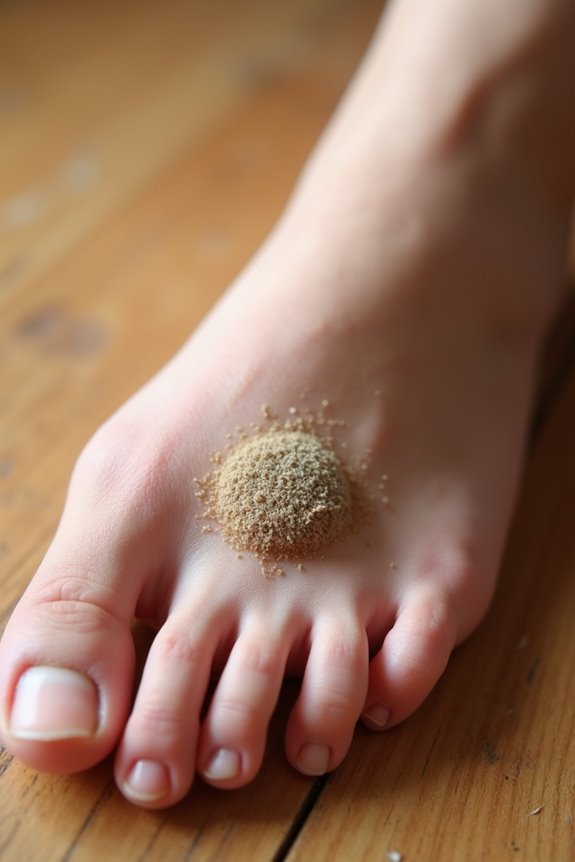
If you’re looking to tackle a plantar wart without expensive doctor visits, I’ve got some accessible options that won’t drain your wallet. You can try salicylic acid peeling products (which work by gradually breaking down wart tissue), the duct tape method (though results are honestly hit-or-miss), or natural soaks that soften the skin around the wart. The catch is that these remedies take patience—effectiveness varies widely depending on your wart’s size and stubbornness—but they’re worth experimenting with if you’ve got time on your side.
Salicylic Acid Application
How much patience do you have? Because treating a plantar wart with salicylic acid demands commitment—we’re talking weeks to months of consistent effort.
This at-home treatment uses 17–40% strength salicylic acid, which you’ll apply daily after soaking your foot and performing gentle debridement with a pumice stone or emery board. Here’s your approach:
- Soak your foot in warm water for 10 minutes to soften skin
- Gently file away dead skin with a pumice stone
- Apply salicylic acid directly to the plantar wart, protecting surrounding healthy skin
The challenge? Thick callus buildup blocks the acid from penetrating effectively, so consistent reapplication matters. You’ll likely experience irritation on healthy skin too—occasional breaks help. If you see no improvement after several months or notice spreading or infection, seek medical evaluation instead.
Duct Tape Method
Before you laugh at the simplicity, consider this: covering your plantar wart with ordinary duct tape might actually work, and you’ve probably got some in a drawer right now.
The Basic Protocol
I’ll walk you through it. You’ll tape over your wart for six days straight, then remove the tape, soak your foot, and gently file away dead skin. Reapply fresh tape and repeat weekly for several weeks.
What the Evidence Shows
Results are mixed. Some studies indicate modest improvement, while others find no real difference compared to doing nothing. Your immune response varies, so persistence matters here.
The Appeal
This home remedy costs almost nothing and carries minimal risk. Skin irritation can occur, though it’s rare. For stubborn or painful warts, skip straight to your doctor instead.
Natural Soak Solutions
Since you’ve probably got vinegar and salt sitting in your kitchen already, soaking your foot might be the cheapest route you’ll try for tackling a plantar wart.
How Natural Soaks Work
Soaks soften thick skin around the wart, which can help at-home remedies penetrate better. You’re basically prepping the area, similar to how you’d soak a stubborn pan before scrubbing it.
Popular soak options include:
- Warm water with Epsom salts — the classic choice that’s gentle on skin
- Vinegar solutions — popular but mostly anecdotal evidence supports effectiveness
- Hydrogen peroxide — another budget option worth testing
Soak for 10–20 minutes daily or several times weekly. Here’s the catch: undiluted solutions can irritate healthy skin, so be cautious. You’re essentially experimenting with what your body responds to, and results vary considerably.
Medical Treatments for Stubborn Plantar Warts
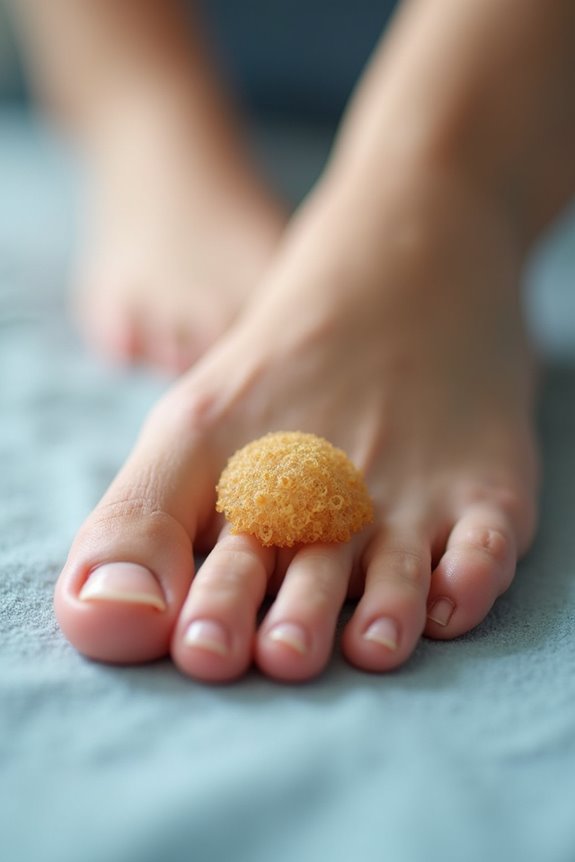
When you’ve tried everything at home and that plantar wart’s still hanging around after months or even years, it’s time to call in a dermatologist. Professional treatment options work faster than at-home efforts.
Common clinic-based approaches include:
- Cryotherapy: Liquid nitrogen freezes the wart, triggering your immune system to fight back
- Immune therapy: Swift Microwave Therapy stimulates your body’s defenses, often requiring fewer sessions and reducing recurrence risk
- Topical agents: Prescription-strength treatments penetrate deeper than drugstore versions
- Combination therapy: Doctors sometimes pair cryotherapy with topical agents for stubborn cases
Early intervention prevents progression to mosaic warts—clusters that spread across your foot—and limits transmission to others. Your dermatologist can recommend which treatment fits your situation best.
Cryotherapy vs. Laser for Faster Plantar Wart Removal
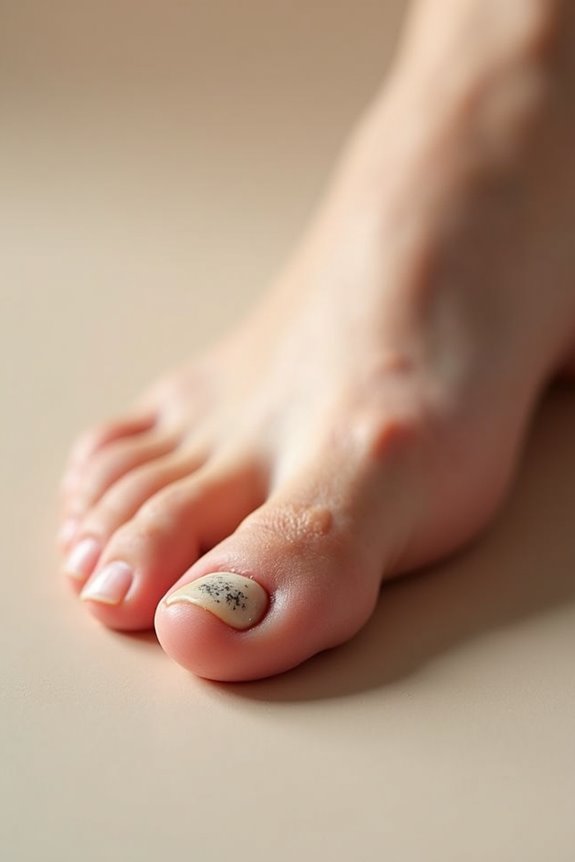
Why do some warts vanish in weeks while others stubbornly stick around for years? The answer often lies in choosing the right clinic-based treatment.
Some warts vanish in weeks while others persist for years—the difference often lies in selecting the right professional treatment.
I’ve found that two methods stand out for faster clearance:
- Cryotherapy freezes wart tissue with liquid nitrogen, triggering your immune response to eliminate the virus
- Laser therapy destroys both wart tissue and blood supply with precision, reducing recurrence risk
- Hybrid approaches sometimes combine methods for stubborn cases
Cryotherapy typically requires multiple visits and causes temporary blistering. Laser therapy works faster with fewer sessions but costs more. Both outperform at-home treatments significantly. Your immune response determines success, making professional intervention worth considering when plantar warts resist self-treatment.
Stop Plantar Warts From Coming Back
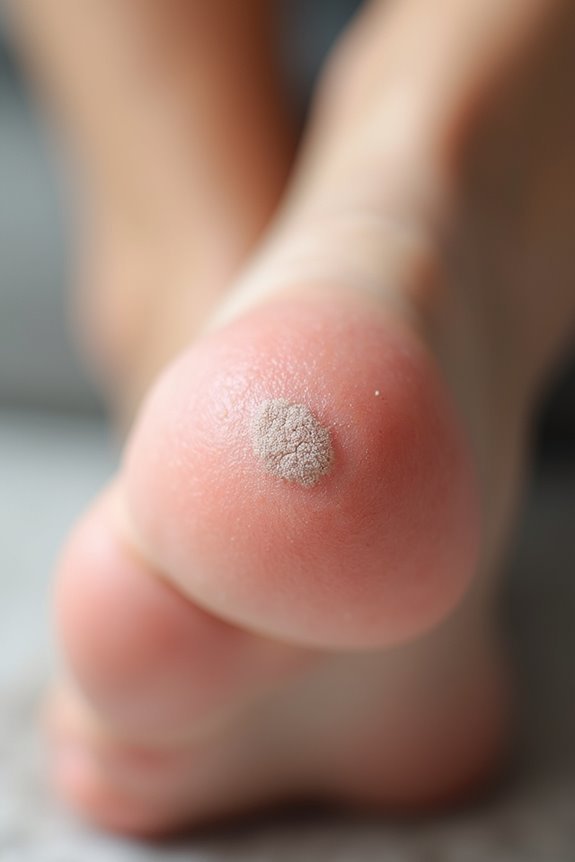
Once you’ve finally gotten rid of your plantar warts—whether they disappeared on their own or you had them treated—the real work starts because that HPV virus can stick around in your skin and cause new warts to pop up. I’ve found that staying on top of prevention strategies, boosting your immune system, and building long-term foot care habits into your routine reduces recurrence risk. You have solid ways to protect yourself and lower the chance of warts returning.
Prevention Strategies for Recurrence
Even though a plantar wart disappears, the virus that caused it might still be hanging around in your skin, waiting for the right moment to return—especially if your immune system isn’t at its best.
You can’t completely eliminate recurrence risk, but you can definitely lower it. Here’s what actually works:
- Wear foot protection in damp public areas like locker rooms and pools—flip-flops or shower shoes create a barrier between your skin and HPV
- Keep feet clean and dry daily, since the virus spreads in moisture and warm environments
- Avoid sharing personal items like towels, shoes, or pumice stones that could spread HPV to other areas or people
Building strong immune health through sleep, nutrition, and stress management strengthens your body’s defense. Treat new warts promptly before they spread. These prevention strategies work together to keep recurrence at bay.
Immune System Strengthening Methods
Your body fights HPV better when you’re taking care of yourself. If you’re prone to recurrent plantar warts, ask your doctor about immunotherapy or vaccination options—they can boost your defense against HPV specifically. People with weakened immune systems struggle more with wart persistence, so these proactive steps matter.
Long-Term Foot Care Practices
- Keep feet dry in public spaces — I wear shower shoes in locker rooms and pools where HPV spreads in warm, moist environments
- Invest in moisture-wicking socks and supportive shoes — they reduce pressure points and sweat that encourage wart growth
- Avoid picking at warts and don’t share personal items — I keep my towels, shoes, and nail tools separate to prevent spreading
These self-care habits protect both you and others. Combined with a strong immune system through sleep and balanced nutrition, consistent foot care stops plantar warts from returning.
When to See a Podiatrist or Dermatologist?
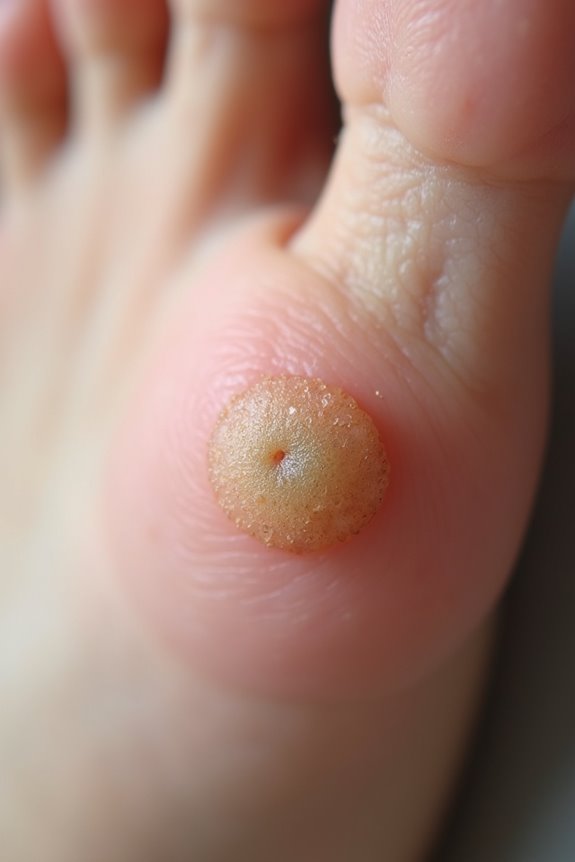
Though plantar warts can sometimes disappear on their own, I’d recommend seeing a professional sooner rather than later if you’re dealing with one.
Though plantar warts may disappear on their own, professional treatment sooner rather than later is strongly recommended.
Signs You Shouldn’t Wait
Spontaneous resolution takes months to years, and that’s if it happens at all. Get a podiatrist involved if your wart is painful, growing, or changing color. If it’s spreading to other body parts or you’re sharing surfaces with family members, seek professional evaluation.
Why Early Treatment Matters
A podiatrist can remove your plantar wart faster using cryotherapy (freezing) or prescription-strength topicals. This approach reduces recurrence rates significantly compared to waiting for natural resolution. Adults typically experience longer healing times than kids, and deeper warts persist stubbornly.
Address treatment timing promptly—getting ahead of it is better than delaying.
How Warts Spread While You Wait
Waiting out a plantar wart might seem like the easiest path, but here’s what actually happens during that waiting period: the virus doesn’t sit still. While you’re hoping your immune system kicks in, the contagious virus actively spreads in several directions.
Here’s what you’re actually dealing with:
- Local spread – The virus moves through callused tissue on your same foot, creating painful clusters you’ll notice growing over weeks
- Transmission risk – You shed the virus from your wart’s surface onto shared floors, towels, and shoes in damp areas like pools and locker rooms
- Pressure complications – Walking irritates the wart, making it larger and more painful while you wait
Smart foot care during this period means avoiding direct contact with your wart and keeping your feet dry in public spaces.
When to Treat Now vs. When Waiting Is Safe
Should you grab a treatment kit today or give your body a few more weeks to fight it off? Here’s the honest take: waiting works only under specific conditions. If your plantar warts cause pain, bleed, or spread rapidly, that’s your signal to seek treatment immediately. You’re also risking transmission to others and other body parts when you delay.
Act now if:
- Symptoms worsen or cause discomfort
- Warts multiply or enlarge noticeably
- Bleeding or infection appears
Waiting is safer when:
- Warts remain stable and painless
- Spontaneous clearance seems possible
The catch? Prolonged delay often means deeper, more stubborn warts requiring intensive treatment later. Early intervention prevents complications and protects those around you, especially in shared spaces.