Hormel Foods owns Planters today. The company purchased the iconic snacking brand from Kraft Heinz in June 2021 for $3.35 billion—Hormel’s largest acquisition ever. Hormel financed the deal through existing cash reserves plus new debt, allowing gradual repayment. This marked Planters’ first ownership by a company outside traditional processed-foods giants like Nabisco and Kraft Heinz.
The acquisition gave Hormel three manufacturing facilities in California, Virginia, and Arkansas, plus brands like NUT-rition and Corn Nuts. There’s plenty more context about how this reshuffled the snacking market.
Hormel Foods Acquired Planters in June 2021 for $3.35 Billion
Ever wonder who’s behind the peanuts in that familiar blue jar? That’d be Hormel Foods. Back in June 2021, Hormel completed its largest acquisition ever—buying Planters from Kraft Heinz for $3.35 billion. A significant move, certainly.
The deal included more than just Planters nuts. It also transferred NUT-rition, Planters Cheez Balls, and Corn Nuts over to Hormel’s portfolio. This acquisition expanded Hormel’s snacking presence considerably.
For Kraft Heinz, the sale served a purpose: they needed to reduce debt and fund growth initiatives. Hormel, meanwhile, now owned one of the snacking world’s most recognizable brands. The company financed the deal using cash reserves plus new debt, integrating Planters alongside existing brands like Skippy and Justins.
Why Kraft Heinz Divested Planters
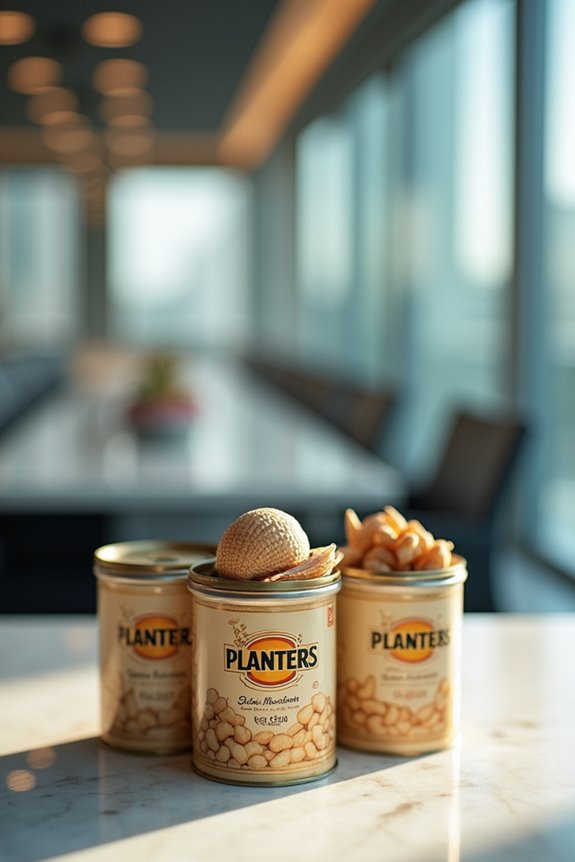
Strategic Refocus
Kraft Heinz needed to trim the fat. They viewed Planters as non-core—meaning it didn’t fit their main mission anymore. The company wanted to concentrate on faster-growing categories like cheese instead.
Debt and Cash Flow
The real driver? Money. Kraft Heinz faced debt they wanted to pay down, so selling Planters for $3.35 billion gave them serious cash to work with. Rather than keeping a slower-growth snacking business, they’d funnel resources into investments that promised better returns.
Finding the Right Home
Hormel Foods stepped in because they specialized in snacking growth. For Kraft Heinz, it meant Planters went to someone more equipped to develop it—while they refocused on what they did best.
Inside the $3.35 Billion Deal: Terms and Financing
When Hormel pulled the trigger on this acquisition, they structured it as a straightforward $3.35 billion purchase—a price tag that represented Hormel’s largest deal to that point. The company didn’t just write one giant check; instead, they combined cash they already had on hand with new debt financing to make the numbers work. I’ll walk you through how they actually paid for Planters and what that deal structure tells us about the company’s confidence in this snack business purchase.
Deal Structure And Valuation
How’d Hormel actually pull off a $3.35 billion acquisition? They used a straightforward approach: combining their existing cash with new debt financing. This two-pronged strategy let them handle the massive price tag without draining resources completely.
The portfolio itself was worth the investment. We’re talking about recognizable brands like Planters, NUT-rition, Planters Cheez Balls, and Corn Nuts—products people actually buy. In 2020 alone, these brands generated roughly $1 billion in net sales.
Why this valuation made sense:
- Strong brand recognition across snack categories
- Established market presence and customer loyalty
- Consistent sales performance ($1 billion annually)
- Strategic fit with Hormel’s existing operations
Kraft Heinz needed this deal for their debt-reduction strategy. Hormel needed quality brands. The numbers aligned, making it their largest acquisition ever completed.
Financing And Payment Methods
Financing And Payment Methods
The Two-Part Approach
Hormel split the payment between two sources: their existing cash reserves and newly issued debt. This mixed approach let them preserve liquidity while spreading the financial burden across time. The company borrowed money through debt issuance, which meant they’d repay it gradually rather than all at once.
Why This Mattered
For Kraft Heinz, selling Planters—including the Planters Cheez Balls line—meant they could reduce their own mounting debt. They got immediate cash while lightening their financial load, making both companies better positioned moving forward.
How Planters Changed Hands Through the Decades
I find it interesting how Planters’ journey from Amedeo Obici’s Italian-founded operation in Pennsylvania to its current ownership at Hormel Foods illustrates the consolidation patterns in the food industry. Standard Brands, Nabisco, and Kraft each held the brand at different points, with each ownership period bringing distinct strategic approaches—some maintained Planters as a separate entity while others integrated it into larger portfolios. The 2021 sale to Hormel for $3.35 billion represents the first time a company outside the traditional processed-foods sector acquired the brand, indicating a meaningful change in how it will be positioned and managed.
From Italian Roots To Standard Brands
When you’re tracing back where your favorite snack brand came from, you’ll find Planters’ story starts with two Italian immigrants who had a straightforward idea: make quality nuts accessible to everyday people.
Amedeo Obici and Mario Peruzzi founded the Planters Nut and Chocolate Company in Wilkes-Barre, Pennsylvania, establishing themselves as serious competitors in the snacking world. Two years later, they incorporated officially, signaling they meant business.
The real turning point came in 1913 when Planters relocated to Suffolk, Virginia. This move wasn’t random—it positioned them near major peanut-growing regions, allowing them to build their first mass production facility. They’d created a major hub for peanut processing, cementing their legacy before becoming part of larger corporate structures decades down the road.
Kraft Heinz’s Strategic Divestment To Hormel
Fast-forward from Planters’ Virginia roots to 2021, and you’ll see the brand had long since become part of massive corporate portfolios. That’s when Kraft Heinz made a significant move: selling Planters to Hormel Foods for $3.35 billion, completed June 7, 2021.
This wasn’t just any transaction. Hormel funded the deal through cash reserves plus new debt, signaling serious commitment. For Hormel, acquiring Planters represented their largest deal ever—a major expansion into snacks and nuts beyond their existing brands.
What changed hands:
- Planters and NUT-rition products
- Planters Cheez Balls
- Corn Nuts
- Production facilities in California, Virginia, and Arkansas
Kraft Heinz needed capital for debt reduction, so divesting Planters aligned their portfolio strategy. For us consumers, Planters simply found a new corporate home.
Amedeo Obici Founded Planters in 1902: The Origin Story
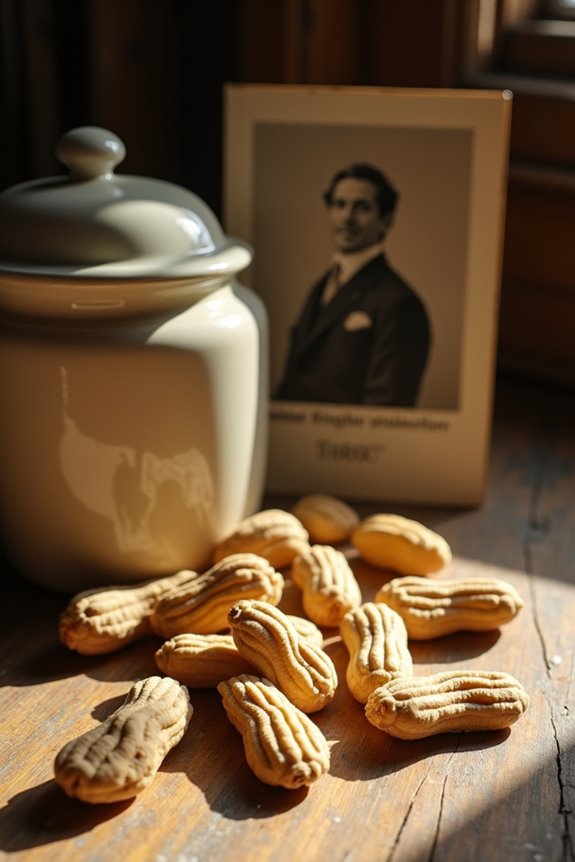
How’d an Italian immigrant working as a bellhop end up creating one of America’s most iconic snack brands?
Amedeo Obici didn’t start with grand plans. He worked his way up through hospitality and fruit vending in Scranton before spotting opportunity in Wilkes-Barre, Pennsylvania. In 1902, he partnered with Mario Peruzzi to launch what’d become Planters Nut and Chocolate Company.
They started scrappy: six employees, two large roasters, and basic machinery. Peruzzi brought important innovation—a hull-free blanching method that made processing cleaner. Two years later, they formalized everything through incorporation.
What made them different wasn’t flashy marketing. It was solving real problems in nut processing while keeping quality high. That practical approach built something lasting.
Hormel’s Strategic Vision: Why Planters Mattered
When Hormel spent $3.35 billion on Planters in 2021, the company wasn’t just buying a snack brand—it was filling a gap in its portfolio that’d been hard to ignore. By adding Planters’ established nut brands like NUT-rition and Corn Nuts to what it already owned (think Justins and Skippy), Hormel created a more complete snacking lineup that could compete seriously in the mainstream market, not just in meat-based products. The strategic move positioned Hormel to grab a bigger slice of the $1 billion in annual sales Planters was already bringing in, while the company expected to find an extra $50–$60 million in cost savings and efficiency gains by 2024.
Complementary Portfolio Expansion
Why’d Hormel decide that nuts were the missing piece in its snacking empire? The company already owned Justins and Skippy, solid performers in their categories. But here’s the thing: those brands didn’t capture the mainstream snack market like Planters did. By acquiring Planters in 2021 for $3.35 billion, Hormel grabbed a portfolio that included Planters Cheez Balls and Corn Nuts—products that millions of people already trusted and craved.
This move let Hormel balance its meat-centric identity. Instead of staying narrowly focused, the company expanded into categories where people naturally shop. You’re grabbing nuts, cheese-flavored snacks, and corn-based options. That $1 billion net sales boost (based on 2020 figures) positioned Hormel as a genuine snacking powerhouse, not just a meat company branching out.
Snacking Market Leadership Position
What shifted for Hormel after closing the Planters deal on June 7, 2021? They positioned themselves as a heavyweight in the snacking world. By acquiring Planters alongside NUT-rition, Planters Cheez Balls, and Corn Nuts, Hormel didn’t just add products—they secured a seat at the snacking table where consumers actually shop.
This $3.35 billion move complemented their existing brands like Justins and Skippy, creating a comprehensive snacks portfolio. They weren’t chasing every trend; they were building something cohesive. With anticipated synergies of $50–$60 million by 2024, Hormel positioned themselves to compete seriously in a category where Americans spend real money. They transformed from a company dabbling in snacks into one that commands shelf space and consumer loyalty.
What Brands and Assets Came With the Acquisition
So just how much did Hormel actually get for its money in this deal? The company acquired a solid collection of snacking brands that generated about $1 billion in sales during 2020 alone. You’re looking at some recognizable names here:
- Planters – the flagship brand
- NUT-rition – their nutritious snacking line
- Planters Cheez Balls – the cheese-flavored classic
- Corn Nuts – the crunchy competitor
- Production facilities in California, Virginia, and Arkansas
This multibillion-dollar transaction, which closed in June 2021, gave Hormel immediate access to established manufacturing operations and proven product lines. The portfolio represented real infrastructure and customer loyalty you couldn’t easily build from scratch. Faegre Drinker guided Hormel through the legal complexities as sole outside counsel throughout the process.
Synergies Hormel Expected From Planters
Acquiring the brands was just the first step—Hormel’s real opportunity lay in what it could do with them. The company set its sights on squeezing $50–$60 million in synergies by 2024, which basically means finding ways to save money and work smarter.
Acquiring brands is just the start—the real opportunity lies in squeezing $50–$60 million in synergies by working smarter.
Where the savings came from:
- Production efficiency: Hormel consolidated operations across existing facilities in California, Virginia, and Arkansas, eliminating redundant processes
- Scale advantages: Combining Planters’ distribution network with Hormel’s existing infrastructure reduced shipping costs
- Shared resources: Marketing, procurement, and supply chain teams now worked together instead of separately
These synergies weren’t about cutting corners—they’re about strengthening Planters while boosting Hormel’s long-term growth. Smart consolidation meant the brand could perform well alongside Justis and Skippy without unnecessary overhead dragging things down.
New Flavors and Product Lines Under Hormel (2024–2026)
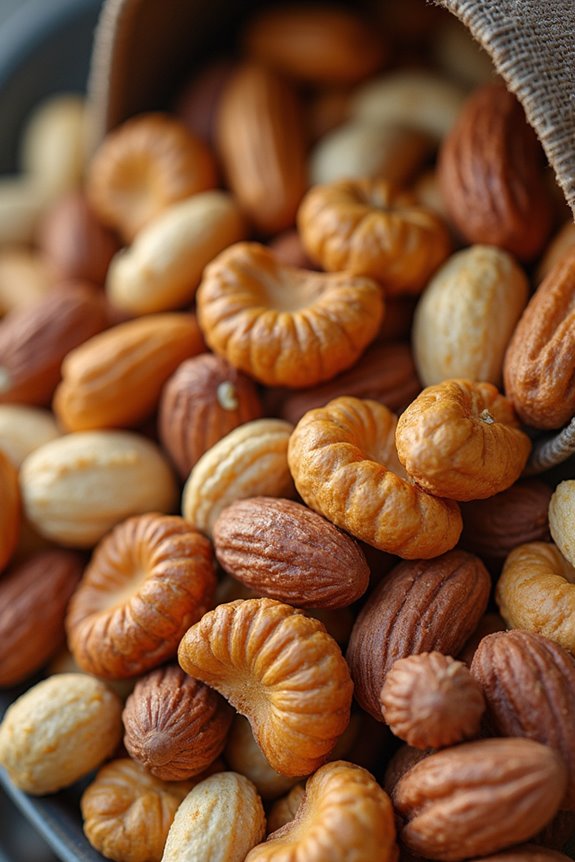
How’d Hormel breathe fresh life into a brand that’d already been around for over a century? By actually listening to what snackers wanted. Since taking over from Kraft Heinz, Hormel rolled out flavors and products that’d make you reconsider what nuts could taste like:
- Garlic Chili Crisp Cashews (2026) brought heat and sophistication
- Salt Vinegar Cashews (2024) offered tangy nostalgia
- Trail Mix blends combined premium nuts with sweet twists
- Special Reserve Peanuts returned for National Nut Day 2025
- Miller High Life Bar Nut Mix created summer buzz
They’d also leveraged storytelling through Nutmobile campaigns and seasonal collaborations. These moves showed Hormel understood that today’s snacker wanted variety, not just tradition.
How Hormel Revitalized Planters’ Marketing: NUTmobile to “Here For The Snacks”
When Hormel took the wheel at Planters in June 2021, they inherited more than just a snack brand—they got an iconic marketing vehicle, literally. The famous NUTmobile had been rolling down American streets for decades, promoting everything from peanuts to Planters Cheez Balls. Hormel recognized this wasn’t just nostalgia; it was a genuine connection with customers who’d grown up spotting that giant legume.
Rather than ditch the classic approach, Hormel evolved it. They shifted marketing from pure product celebration toward a “Here For The Snacks” positioning—emphasizing that Planters understands what we actually want: quality snacking that fits our lives. This pivot acknowledged changing consumer values while keeping the brand’s beloved personality intact.
Planters’ Market Position Against Mondelez and Other Nut Brands
When you stack Planters against competitors like Mondelez—which owns brands such as Trident and other snacking powerhouses—you’re looking at a company that’s now leveraging Hormel’s infrastructure and multi-brand approach to hold its ground. Hormel’s acquisition strategy gives Planters a real advantage: instead of competing solely on premium nuts, it can now offer consumers a broader snacking portfolio that includes Cheez Balls and Corn Nuts, covering more shelf space and price points than before. The company’s target of $50–$60 million in synergies by 2024 suggests Hormel’s betting that combining these brands under one platform will let Planters compete more effectively on both distribution and marketing reach.
Competitive Market Dynamics
Where’s Planters really standing in today’s snacking world? You’re looking at a brand that Hormel Foods now positions strategically within an increasingly crowded marketplace. Here’s what shapes Planters’ competitive landscape:
- Mass-market dominance – Planters maintains broad consumer recognition that newer brands struggle to match
- Direct competition – Mondelez International’s brands like Salty’s and newer entrants constantly challenge market share
- Category expansion – Hormel’s ownership connects Planters with complementary snacking portfolios, creating distribution advantages
- Brand longevity – Decades of consumer trust provide resilience that competitors haven’t built yet
- Snacking trends – Health-conscious preferences push all major players toward better-for-you positioning
Hormel Foods leverages Planters’ established reputation while modernizing its appeal. You’re seeing a traditional powerhouse adapt rather than fade—that’s the real competitive story here.
Portfolio Strength And Differentiation
What Hormel Got:
- Core Planters nut portfolio
- NUT-rition line
- Cheez Balls and Corn Nuts
- Three production facilities (California, Virginia, Arkansas)
This acquisition combined with existing brands like Justin’s and Skippy created strategic value. Hormel leveraged complementary product lines rather than requiring substantial reinvention. The $50–$60 million in projected synergies by 2024 derives from integrated brand operations, positioning Planters more effectively against larger competitors through coordinated distribution and cross-brand marketing initiatives.
How Planters Fits Into Hormel’s Broader Portfolio

Hormel’s $3.35 billion acquisition of Planters in June 2021 was a strategic move to reshape how the company competes in the snacking space.
Strategic Integration
Planters now sits alongside Hormel’s existing snack portfolio, creating complementary market positioning:
- Planters brings $1 billion in annual sales and mainstream recognition
- Justins offers premium nut butter positioning
- Skippy dominates the peanut butter category
- NUT-rition and Corn Nuts expand variety options
- Combined synergies target $50–$60 million in savings by 2024
This represents deliberate portfolio architecture where each brand reinforces the others. Planters’ scale amplifies Hormel’s snacking credibility while complementary brands address different customer segments. The company is building a comprehensive nut-and-snack platform that serves casual snackers through health-conscious consumers.
Planters Manufacturing: California, Virginia, and Arkansas Facilities

Three manufacturing facilities across the United States keep Planters products flowing to stores and customers’ pantries. When Hormel Foods acquired Planters in 2021, these Planters manufacturing facilities became essential assets supporting the brand’s growth.
| Facility | Location | Primary Role |
|---|---|---|
| Plant 1 | California | Broad nuts and snacks production |
| Plant 2 | Virginia | Key Hormel production site |
| Plant 3 | Arkansas | Nut-and-snack manufacturing |
Each facility plays a specific role in keeping your favorite Planters snacks available. The California operation handles diverse nut varieties and snack items. Virginia serves as a cornerstone production center under Hormel’s ownership. Arkansas contributes integrated nut-and-snack manufacturing that aligns with Planters’ overall product strategy. Together, these three Planters manufacturing facilities maintain consistent supply and quality across the brand’s entire portfolio, connecting us directly to what we grab from shelves.
What Comes Next for Planters and Mr. Peanut Under Hormel

Beyond these three manufacturing plants lies a bigger picture for what Hormel’s doing with its newest acquisition.
Hormel’s acquired Planters to strengthen its snacking business, and I’d say that’s just the beginning. Here’s what I’m seeing unfold:
- Expanding globally using Hormel’s worldwide distribution network
- Cross-brand synergies by pairing Planters with Justins and Skippy nut butters
- Leveraging Mr. Peanut as an iconic mascot across new product categories
- Boosting production through existing facilities and capabilities
- Growing market share in the $1 billion annual snacking segment
The $3.35 billion investment signals Hormel’s serious commitment to snacking. By combining Planters’ brand strength with Hormel’s operational muscle, we’re looking at products reaching more customers worldwide. This isn’t just about owning a brand—it’s about building something bigger through smart integration.