

White lilies convey spiritual peace and eternal rest, while chrysanthemums represent grief across East Asia and remembrance in Western traditions. Red roses express deep love and respect, paired with white blooms for balance. Pink carnations communicate enduring affection, gladiolus symbolize strength during difficult times, and forget-me-nots promise lasting memory. Each flower carries specific cultural weight—white mums mean grief in Japan, for instance—so choosing thoughtfully matters. Knowing these meanings transforms your arrangement from a generic gesture into a genuine tribute. The right flowers, combined with proper care guidance, honor what someone meant to you.
White Lilies: Spiritual Peace and Eternal Rest
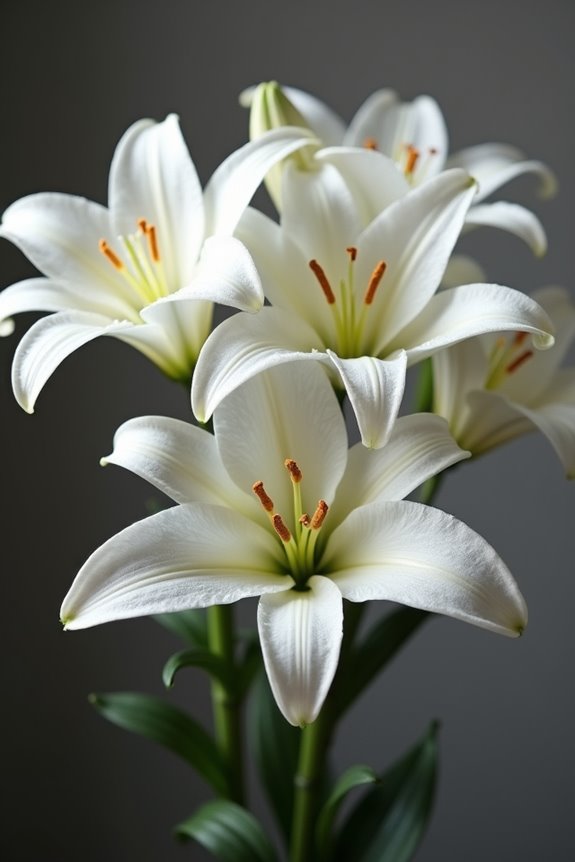
If you’re arranging them, keep stems clean and hydrate them in cool water for proper travel and display. Their opening blooms remind us that we’re part of something larger—a shared experience of honoring those we’ve lost.
Chrysanthemums: The Traditional Mourning Flower Across Cultures
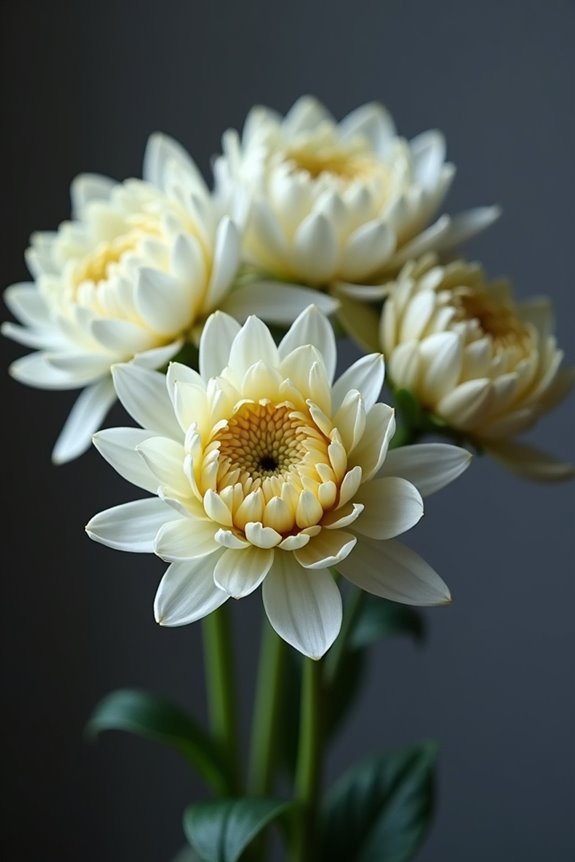
I’ve found that chrysanthemums—or “mums” as we call them—show up at memorials worldwide, though their meaning shifts depending on where you’re standing. In East Asian cultures like China, Korea, and Japan, white mums specifically represent grief and appear in nearly every funeral arrangement, while Western traditions use them more broadly for remembrance across different color variations. Understanding how these flowers function in different cultural contexts, what they actually symbolize region by region, and how to keep them fresh (since they typically last 2-3 weeks with proper care) helps you choose the right flowers when honoring someone’s memory.
Cultural Significance And Traditions
Key reasons for their prominence:
- Long-lasting blooms symbolize enduring mourning
- White varieties convey deep respect
- Asian and European traditions align with shared values
This cross-cultural agreement makes chrysanthemums the natural choice when we need flowers that speak to our grief.
Symbolism Across Different Regions
How does a single flower come to mean mourning in one part of the world, yet represent celebration in another? Chrysanthemums show us exactly this puzzle. These flowers carry powerful regional symbolism that shapes how we express remembrance.
| Region | Color | Meaning | Context |
|---|---|---|---|
| East Asia | White | Grief | Funerals, memorials |
| Western Europe | White/Yellow | Condolences | Cemetery visits |
| China | White | Mourning | Death rituals |
| Japan | White | Remembrance | Ancestral honor |
| Korea | White | Loss | Memorial services |
In Asia, white chrysanthemums signal mourning directly. Western Europeans use white and yellow varieties at gravesides. This regional consistency matters—it lets us communicate respect without words. Understanding these differences helps us show genuine compassion across cultures.
Practical Care And Longevity
Understanding what chrysanthemums mean across cultures is one thing—keeping them fresh long enough to honor those meanings is another. Chrysanthemums are forgiving funeral flowers, lasting one to two weeks with basic care. Here’s what works:
Essential Steps:
- Fill a clean vase with cool water
- Remove lower leaves below the waterline
- Change water every two days
- Keep them away from direct heat
The longevity of chrysanthemums makes them practical for remembrance displays beyond the funeral service itself. You can transition them to home altars or memorials without worrying they’ll wilt prematurely. Their staying power means your tribute remains visible and meaningful during those critical grieving days when such constancy matters.
Red Roses: Expressing Love and Deep Respect
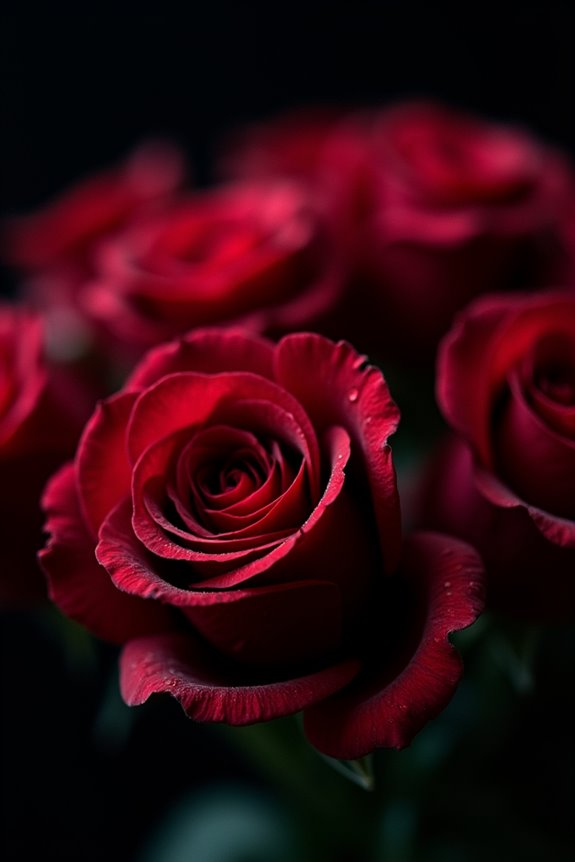
When I’m selecting flowers for a memorial, I often reach for red roses because they communicate something chrysanthemums don’t quite capture—that deep, enduring love alongside profound respect for the person we’ve lost. The rich crimson color carries real weight in funeral arrangements, whether I’m placing them near a casket or creating a graveside tribute that honors someone’s memory through bold emotion. I’ve found that pairing these roses with white lilies creates a balanced statement, combining the passion of red with the purity and reverence that white flowers bring to the arrangement.
Love And Respect
Why do we reach for red roses when we’re saying goodbye to someone we’ve deeply loved? I’ve found that red roses speak what our hearts struggle to express during mourning. These flowers carry deep meaning—they’re not just pretty, they’re symbols of the respect and affection we hold for the deceased.
In memorial settings, red roses work powerfully as focal points. You’ll see them arranged as single long-stem casket tributes or paired with white lilies, creating a striking contrast between love and purity. When I’ve attended services, I’ve noticed how these arrangements quietly communicate what mourners feel but can’t always say aloud.
The color red itself matters. It connects directly to affection, making these roses important for expressing genuine respect during our grieving process.
Deep Red Symbolism
How do you express something too big for words? That’s where red roses come in during funeral symbolism. I’ve learned that their deep crimson color speaks volumes about love and deep respect for someone we’ve lost.
Why Red Roses Matter in Mourning:
- They convey heartfelt tribute when placed in casket arrangements
- The intensity of red connects to strong emotional bonds
- They serve as focal points in graveside displays
When paired with white or pale blooms, red roses emphasize reverence and enduring admiration. The combination creates balance—passion alongside peaceful acceptance.
You’re not alone in choosing these flowers for remembrance. They’ve carried our deepest condolences and passionate tribute for generations, making them a trusted choice when expressing what our hearts feel most strongly.
Tribute And Admiration
There’s something about a single long-stem red rose that says everything you can’t quite put into words—respect, admiration, deep love for someone who’s gone. I’ve found that red roses work because they’re universally understood. When you place one on a casket or graveside, you’re honoring that person without needing explanation.
The color red itself carries weight in mourning contexts. It conveys gratitude and admiration, reinforcing your tribute through something tangible. Pairing red roses with white lilies creates a powerful combination—love mixed with purity—that speaks volumes during memorial services.
What makes red roses practical for mourning is their versatility. Whether you’re attending a funeral alone or contributing to a larger display, a single red rose remains a meaningful gesture. It’s simple, direct, and universally respected across cultures and traditions.
Pink Carnations: Remembrance and Enduring Affection
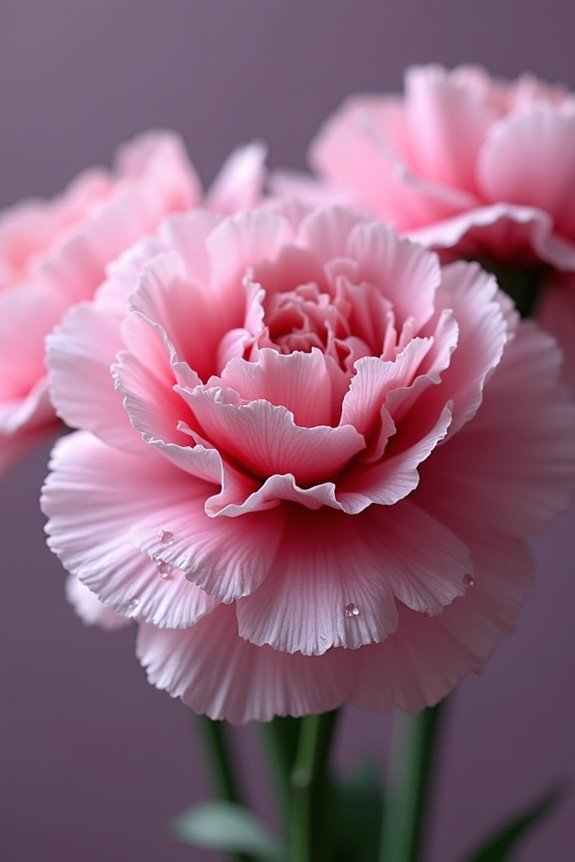
When you’re arranging flowers for a memorial service, pink carnations offer comfort—they’re not just beautiful, they’re specifically designated by tradition to express loving remembrance and support during grief. These flowers carry significance in mourning contexts because they communicate what’s hard to say aloud: that we remember, we care, and we’re healing together.
| Aspect | Meaning | Use |
|---|---|---|
| Color | Loving thoughts | Memorial arrangements |
| Symbol | Remembrance | Funeral services |
| Energy | Healing support | Comfort displays |
| Message | Enduring affection | Tribute bouquets |
Pink carnations function differently than other mourning flowers. They don’t emphasize loss—instead, they emphasize connection and gentle recovery, making them practical choices for honoring someone while supporting those left behind.
Gladiolus: Standing Tall With Strength and Grace
Gladiolus blooms—tall, dignified spikes that rise 2 to 5 feet high—command attention in funeral arrangements because they embody exactly what we want to say about someone we’ve lost: that they stood for something, that they had integrity, and that their character mattered.
Why Gladiolus Works for Mourning
These flowers deliver what their name promises: strength. The florets open gradually over several days, so mourners see fresh blooms throughout multi-day services. White or soft-hued varieties convey purity and reverence.
The Architecture of Strength
Gladiolus create vertical lines in standing arrangements and church displays. Their height naturally draws the eye upward, offering both visual impact and symbolic meaning.
A Message of Character
Pairing these flowers with messaging like “Honoring a life of courage and character” transforms your funeral displays into testimonies of resilience, turning grief into quiet dignity.
Forget-Me-Nots: Loved Ones Live On in Memory
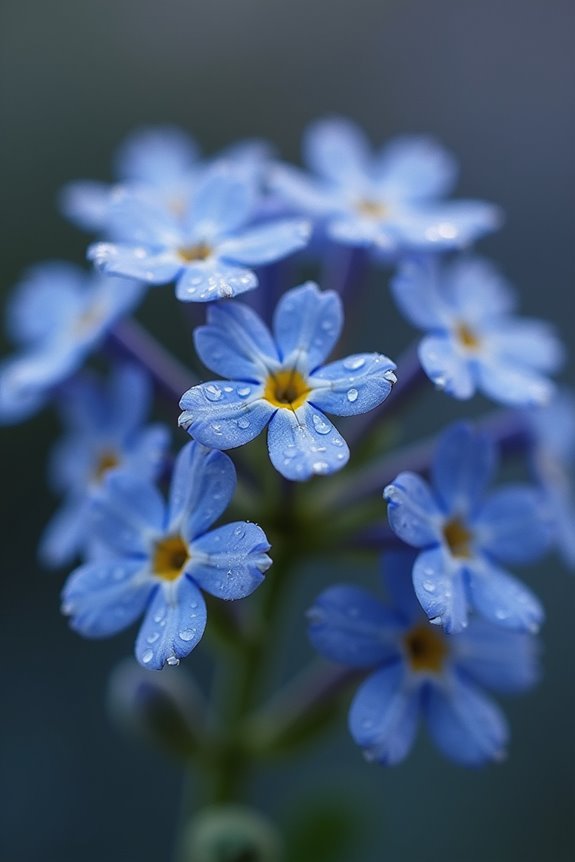
A small flower carries an enormous promise: I won’t forget you. Forget-me-nots convey exactly that—a soft commitment to remembrance that feels deeply personal. These delicate blooms work well in memorial contexts because they’re small enough to weave into keepsake pieces yet powerful enough to communicate lasting memory.
| Use | Purpose |
|---|---|
| Personalised Flower Boxes | Preserve memories with mementos |
| Sympathy Arrangements | Honor the departed |
| Memorial Displays | Create lasting tributes |
| Everyday Reminders | Carry memory forward |
I appreciate how forget-me-nots help us articulate what’s hard to say: *We will carry your memory in our everyday.* They’re ideal for preserved arrangements because they maintain their meaning long after fresh flowers fade. That’s what makes them special—they’re a tangible way we stay connected.
Funeral Flower Etiquette: What to Send and Why
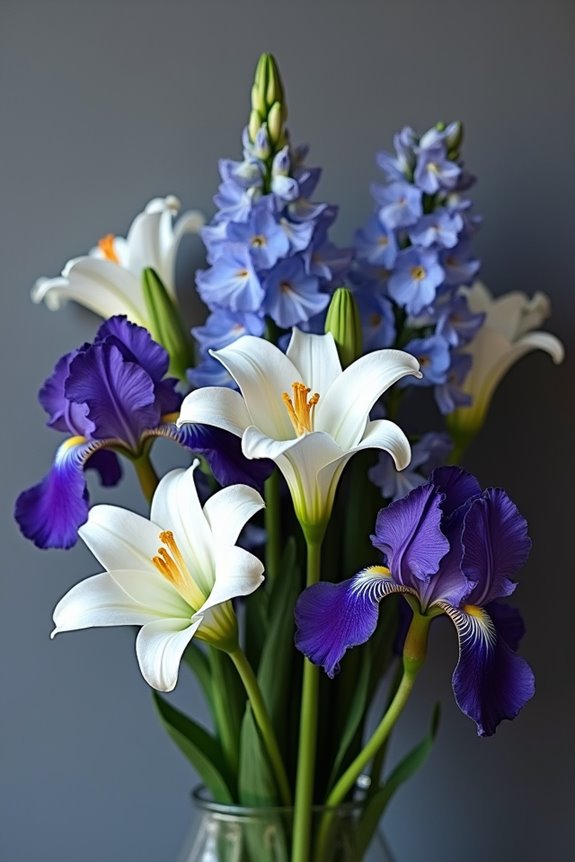
Consider the deceased’s preferences and the service type. Funeral etiquette suggests:
- Send flowers 2-3 days before the service
- Include a brief, heartfelt card
- Avoid heavily scented varieties in enclosed spaces
- Choose colors matching the tone you want to convey
Thoughtful selection—rather than expensive arrangements—shows respect and acknowledges your place within the grieving community.