
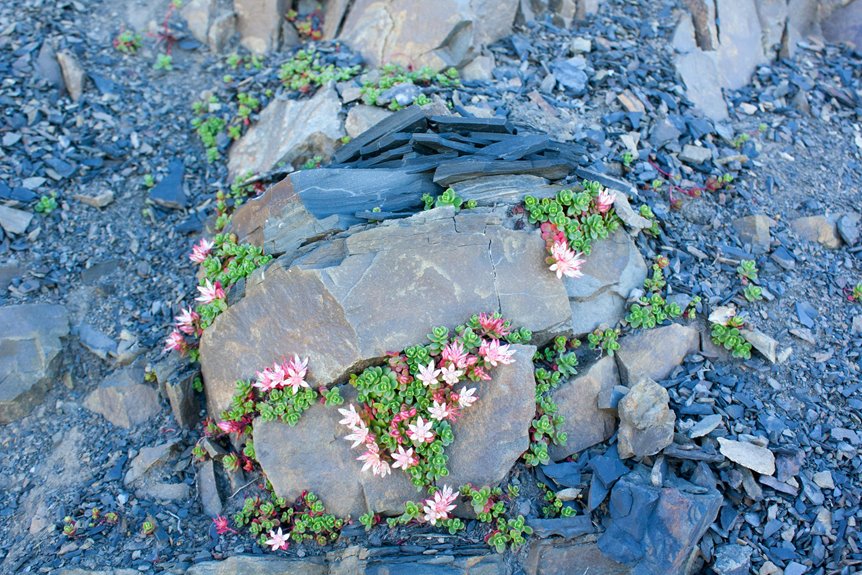
Four essentials make flowers bloom reliably: sunlight, soil drainage, consistent watering, and balanced fertility. Most gardeners miss at least one. I’d start by assessing your garden’s light—sun-lovers need 6+ hours daily, while shade plants do well with 3. Next, amend your soil with compost to improve drainage and moisture retention. Water deeply during establishment, checking soil moisture daily. Finally, feed with compost rather than heavy fertilizer to avoid leggy plants. Get these fundamentals right, and you’ll understand why your flowers struggle—or perform well.
Sunlight Requirements for Thriving Blooms
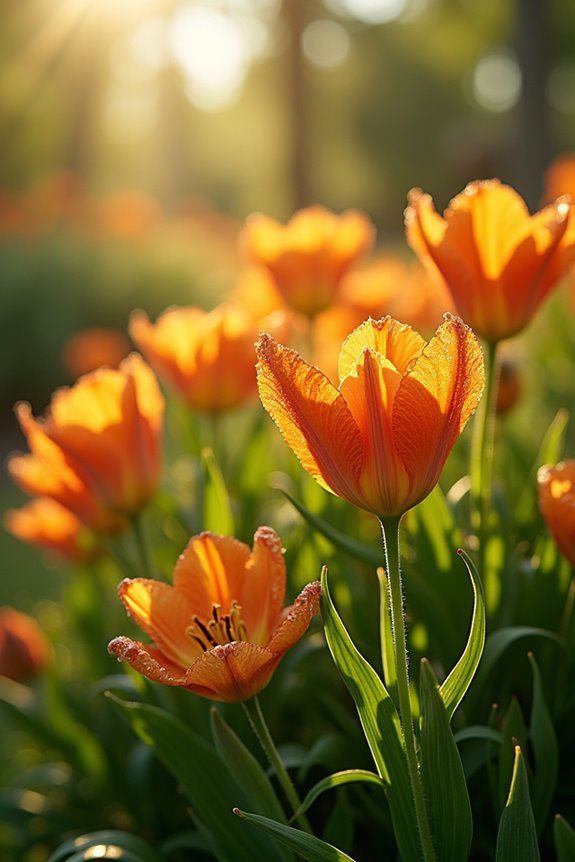
Because flowers rely on sunlight to produce the energy they need for blooming, getting your plants’ light exposure right is one of the most practical steps you can take in your garden. Understanding sunlight requirements makes planning beds straightforward.
What works:
- Full sun plants need 6+ hours daily and produce abundant flowers
- Part sun varieties thrive on 3 to 6 hours and tolerate some shade
- Shade-lovers perform best with around 3 hours, though they may flower less in brighter spots
I assess my garden’s available light first, then match each plant accordingly. When I’ve placed sun-lovers in shadier spots, blooming suffered noticeably. Getting this foundation right means fewer frustrations later.
Soil Composition and Drainage Essentials
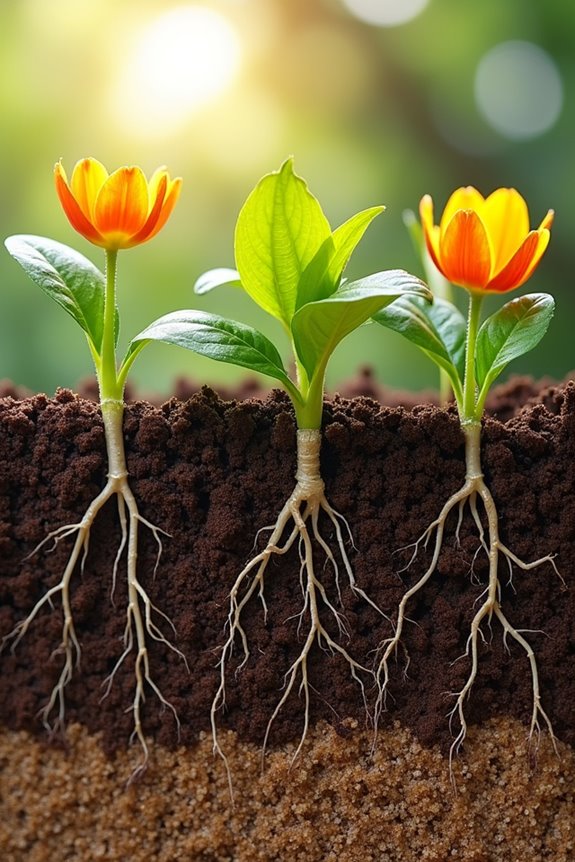
I’ve learned that what’s underneath your flowers matters just as much as what’s above ground. Your soil’s drainage—how quickly water moves through it—determines whether flowering plants succeed or fail, so I’ll walk you through how to assess yours and fix it if needed. Getting this right means the difference between plants that perform well and roots that rot, so let’s tackle the three essentials: amending fast-draining soils, positioning plants at the right height, and matching your soil to what your specific flowers actually want.
Amending Fast-Draining Soils
- Add compost to boost moisture-holding capacity while maintaining aeration
- Mix in leaf mold for organic matter that traps water naturally
- Layer mulch on top to slow evaporation and regulate soil temperature
- Incorporate amendments gradually over seasons for lasting improvement
Work these materials into the top 6–8 inches where roots establish themselves. Sandy beds amended this way retain sufficient moisture for flowers to grow without becoming waterlogged. This approach is based on straightforward soil science.
Elevation and Crown Positioning
Where should your flower crowns sit in relation to the soil surface? Keeping plant crowns slightly above ground level prevents rot and improves drainage for better flower health.
Why elevation matters:
- Raised beds work well for sun-loving flowers needing excellent drainage
- Slight mounding around the base protects crowns from excess moisture
- Soil depth matters too; deep-rooted varieties need adequate room without crown contact
Elevating beds 6-12 inches depending on what you’re growing lets water flow away quickly while roots access moisture below. When you match elevation to your plant’s tag requirements—especially those needing “moist but well-drained” conditions—you create proper growing conditions for success.
Matching Soil to Plant Needs
Matching Soil to Plant Needs
What’s the difference between soil that produces good flowers and soil that produces poor results? It’s all about matching what your plants actually need.
Getting Soil Moisture Right
Soil moisture preferences vary widely. Here’s what works:
- Fast-draining soils need less frequent watering; avoid overwatering or you’ll kill your plants
- Heavy clay soils hold moisture longer; water consistently during establishment
- Amended soil with compost and leaf mold balances both drainage and water retention
- Sun-loving plants need moist but well-drained conditions to perform well
The trick? Know your soil type first. Test how quickly water drains through it. Then choose plants that match those conditions, not the other way around. You’ll save yourself headaches and create the solid foundation your flowers need.
Watering Schedules During Establishment and Beyond
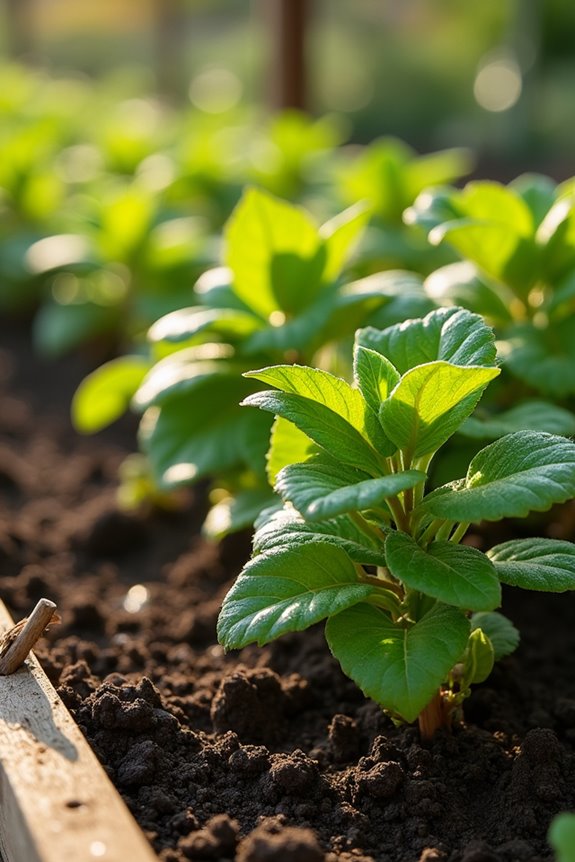
I’ve found that getting your watering right significantly impacts whether flowers perform well or struggle. You’ll need to adjust how often you water depending on whether your plants are brand new, settling in, or fully established—plus factor in what the weather’s doing. Let me walk you through each stage so you can keep your flowers healthy year-round.
Initial Watering for New Plants
How you water during those first few weeks after planting will set the tone for everything that follows. I’ve learned that consistent moisture is important right now—think of it as establishing a solid foundation with your plants.
Here’s what I do:
- Water regularly to keep soil evenly moist, not waterlogged
- Check daily by touching the topsoil with my finger
- Adjust based on rainfall so I’m not doubling up on natural precipitation
- Add mulch to help soil retain moisture longer
During this establishment period, frequent watering encourages roots to spread and settle into their new home. Once your plants have roots established—usually after a few weeks—you’ll gradually reduce watering frequency. This transition builds stronger, more drought-tolerant plants that’ll perform better in the long run.
Adjusting Water Frequency Over Time
Once your plants have settled in and their roots have spread through the soil—usually around three to four weeks after planting—you’ll notice they can handle less frequent watering. I’ve found that shifting to about once weekly (when there’s no rain) works well for most drought-tolerant plants.
The key is adjusting based on conditions. During hot, dry spells, I bump up watering frequency to maintain plant performance. However, I’m careful not to overdo it—too much water causes tall, lanky growth that looks weak.
Here’s my approach:
- Check soil moisture before watering
- Adjust for plant type and rainfall
- Group plants with similar needs together
This balance keeps your garden functioning without wasting water or encouraging problems.
Seasonal Watering Adjustments and Needs
Seasonal Watering Adjustments and Needs
- Spring establishment: Water consistently for several weeks so roots develop properly
- Summer heat: Increase irrigation during dry spells to maintain blooming energy
- Fall transitions: Gradually reduce frequency as temperatures cool
- Winter dormancy: Water minimally since most plants rest
During establishment phases, provide steady moisture before switching to about one rainfall-free watering weekly. When dry spells hit, add extra waterings beyond the regular schedule. Check soil moisture regularly—letting topsoil dry slightly between waterings—prevents guessing wrong.
Matching Plants to Your Hardiness Zone
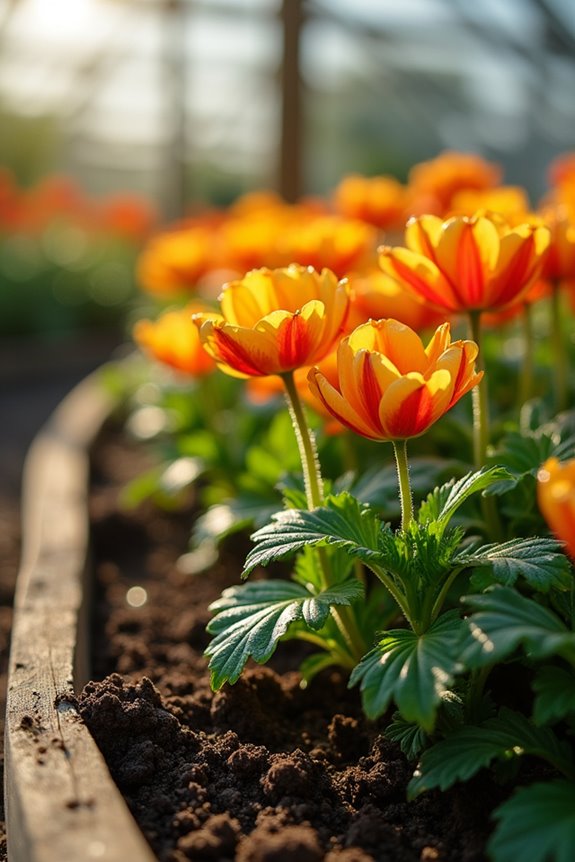
Matching Plants to Your Hardiness Zone
I check plant tags for zone recommendations matching mine. A plant labeled for zones 5-9 won’t survive my zone 4 winters, no matter how much I pamper it.
My simple approach:
- Find your hardiness zone (search “USDA Hardiness Zone” plus your zip code)
- Select varieties rated for your zone
- Cross-reference with local extension resources
This one step eliminates guesswork. You’ll stop losing plants and start building a garden that actually survives what your climate throws at it.
Soil Fertility and Bloom Intensity
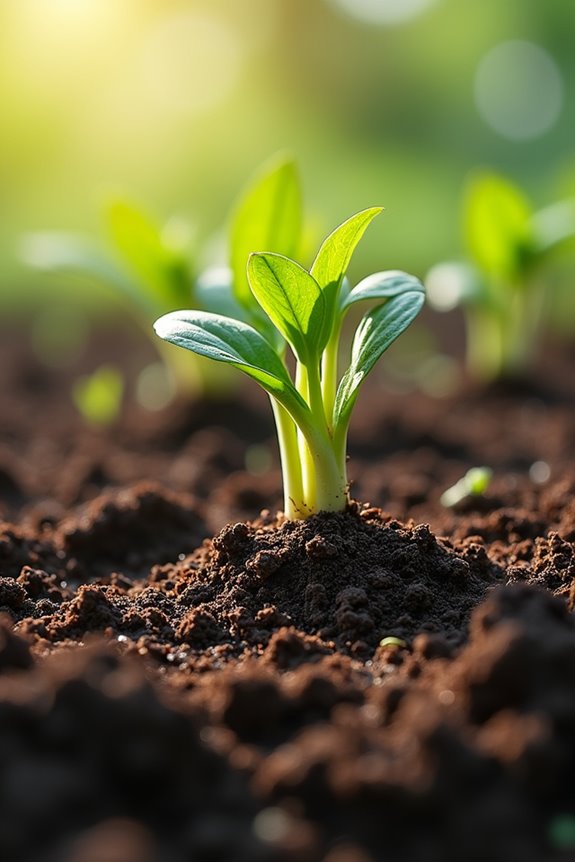
I’ve found that what I feed my soil directly affects how many flowers I actually get, and it’s worth paying attention to the difference between what sounds good and what actually works. You can build better blooms by choosing compost over synthetic fertilizers, watching out for nutrient imbalances that make plants grow tall and scraggly instead of flowering well, and giving cutting garden plants the consistent feeding schedule they need to produce abundant stems. Let me walk you through how to get this right without overdoing it.
Compost Over Chemical Fertilizers
When you’re building a flower garden, the easiest path to healthy blooms often isn’t buying bags of chemical fertilizer—it’s investing in good compost instead. I’ve found that compost alone works well for most flower gardens, and it’s cheaper in the long run.
Here’s why compost wins:
- Feeds slowly – nutrients release gradually, preventing lanky plants
- Builds soil structure – improves moisture retention naturally
- Reduces waste – you’re recycling kitchen scraps and leaves
- Avoids nutrient overload – too much fertilizer actually reduces bloom quality
When you do need a boost, I reach for organic options like Milorganite, which doubles as rabbit repellent. Think of compost as your soil’s foundation. Treat flower beds like vegetable gardens—prep that soil with organic matter first. Your flowers will produce better blooms and stronger growth.
Avoiding Excessive Nutrient Problems
- Rely on compost as your main soil builder, not chemical fertilizers
- Use Milorganite sparingly—just enough to feed plants or deter rabbits
- Match nutrients to plant type—avoid blanket high-nitrogen applications that push leaves over flowers
- Monitor regularly—check soil and plant vigor monthly to catch nutrient buildup early
This restraint keeps your flower beds balanced and blooming densely, exactly how you want them.
Feeding Cutting Garden Plants
Most gardeners discover pretty quickly that cutting gardens have different nutritional requirements than ornamental beds—they’re working harder because you’re constantly removing flowers, which means the plant’s pushing out new blooms instead of resting.
I’ve found that regular feeding supports this constant bloom production, but there’s a balance. Here’s what works in my garden:
- Start with compost as your primary amendment for steady nutrients
- Use Milorganite selectively when plants need an extra boost without getting leggy
- Avoid over-fertilizing—excess fertilizer creates tall, lanky plants that flop over
- Monitor water and nutrient needs by grouping similar plants together
The key is treating your cutting garden beds like vegetable patches: rich soil with good drainage keeps roots accessing steady nutrients throughout the bloom cycle. You’re feeding the flowers, not forcing excessive growth.
Spacing Plants to Prevent Competition
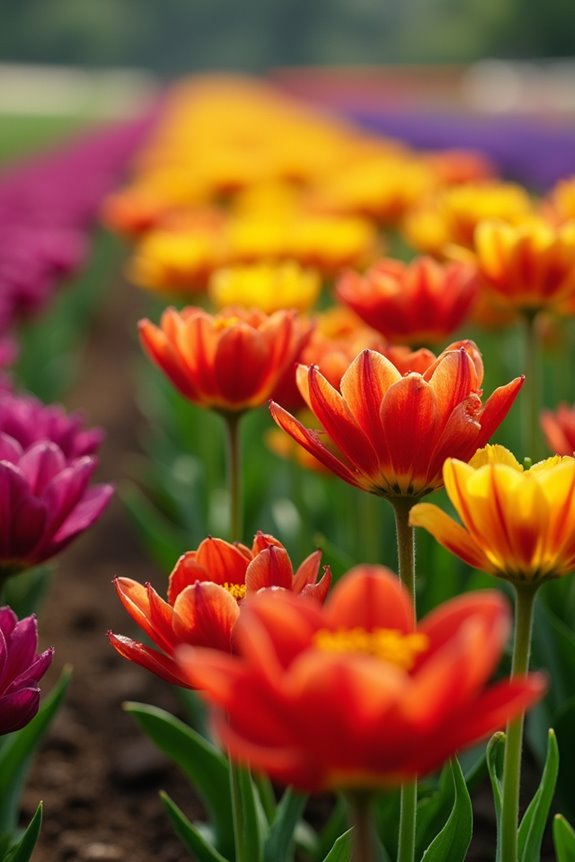
Why do some flower beds produce abundant blooms while others look thin and struggling? Spacing plants properly is essential. When flowers crowd together, they fight for water, nutrients, and sunlight—and everybody loses.
I’ve learned that spacing plants using a grid system works best. For 4-foot-wide beds, I follow these guidelines:
- 6×6 inches: 7 rows per bed (dense plantings)
- 9×9 inches: 5 rows per bed (medium spacing)
- 12×12 inches: 4 rows per bed (roomier plants)
- 18×18 inches: 3 rows per bed (larger varieties)
I also place taller flowers toward the back and shorter ones in front, reducing shading. Landscape fabric with a planting grid keeps everything organized and manages weeds between closely spaced plants. This approach—combining proper spacing with thoughtful arrangement—gives your flowers the room they need to succeed.
Protecting Sun-Loving Varieties From Frost
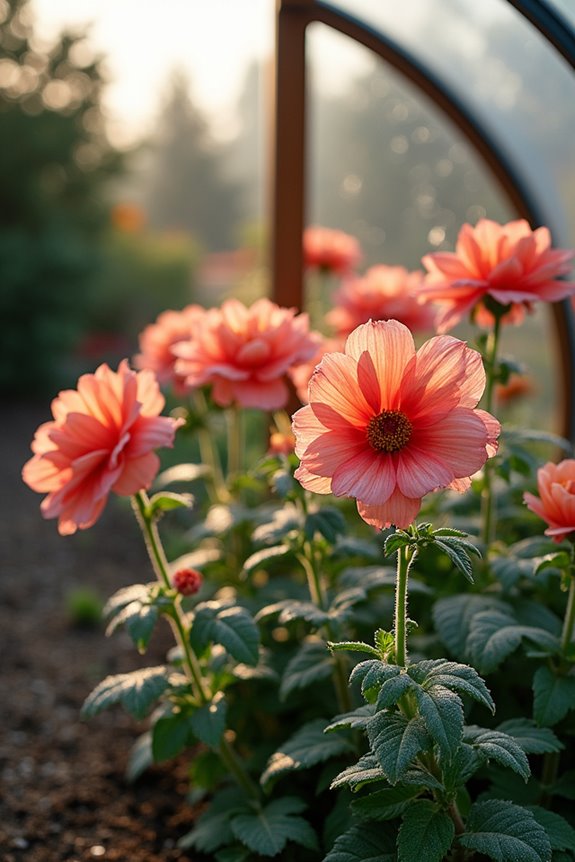
Protecting Sun-Loving Varieties From Frost
Because sun-loving flowers need at least 6 hours of direct sunlight daily to produce abundant blooms, protecting them from unexpected frost becomes necessary in cooler climates—especially when you’ve already invested time in spacing and planting them perfectly.
Frost Protection Essentials
What works for frost protection:
- Use row covers – Lightweight fabric shields plants while allowing light through
- Try temporary cloches – Clear plastic domes trap warmth around individual plants
- Water before cold nights – Moist soil holds heat better than dry soil
- Plant after last frost date – Timing prevents frost injury from the start
During establishment, keep soil evenly moist but well-drained. Drought stress combined with frost damages new growth considerably. When nighttime temperatures dip toward freezing, cover your plants. Frost scorches leaves and reduces flowering potential. You’re protecting your investment in those perfectly spaced sun-lovers.
Organic Fertilizer and Feeding Schedules
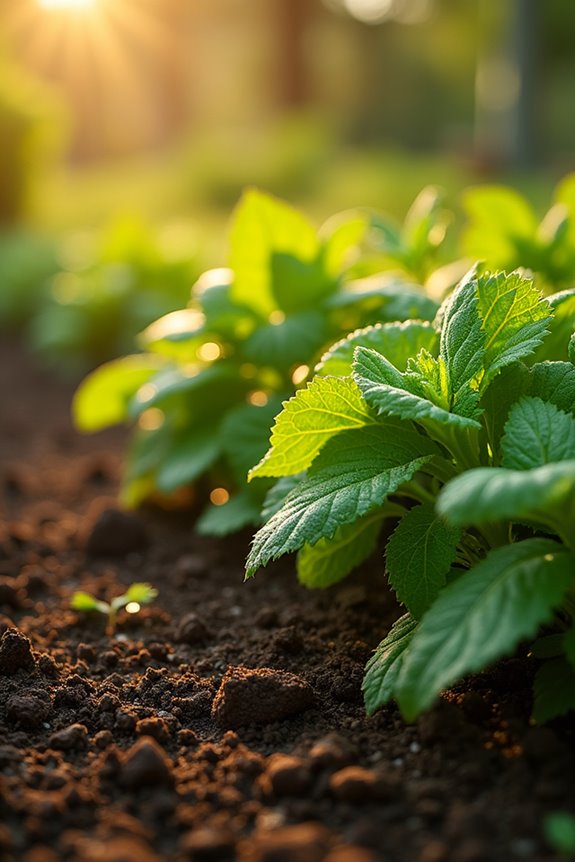
I’ve found that you don’t need to feed flowers constantly—in fact, I’d argue that’s where most gardeners go wrong. I rely on compost as my main nutrient source, adding it to the soil each season, and I only reach for fertilizer like Milorganite when specific situations call for it, like protecting plants from rabbits or giving cutting gardens an extra boost. The trick is resisting the urge to overfeed, since too many nutrients actually make plants grow tall and spindly instead of strong and resilient.
Compost as Primary Nutrient Source
- Regular garden beds perform well with compost amendments without extra fertilizer
- Cutting gardens benefit from occasional nutrient boosts when production increases
- Heavy feeders like roses may need supplemental help during peak season
- Soil health improves through consistent organic matter additions
The trick isn’t adding more nutrients—it’s building better soil first. When I layer compost into my beds annually, my flowers perform well without excessive feeding. Too many nutrients actually backfire, creating tall, gangly plants with fewer flowers. I’m learning that restraint pays off. Stick with compost as your foundation, and you’ll grow healthier gardens while keeping things simple.
Milorganite for Targeted Feeding
When to Use Milorganite:
When compost alone isn’t quite enough, Milorganite steps in as your backup plan. This organic fertilizer works best when you apply it only as needed, rather than feeding everything routinely. You’ll avoid the lanky, overgrown look that comes from excessive fertilization.
- Plants showing nutrient deficiency signs
- Cutting gardens needing extra support
- Specific beds requiring a nutrient boost
Treat Milorganite as part of a targeted approach, not a universal fix. Unlike heavy synthetic options, it fits naturally into a feeding strategy built on compost and organic amendments. The key is restraint—you’re supporting growth without forcing it. Apply when plants genuinely need it, and you’ll notice the difference without overdoing things.
Avoiding Over-Fertilization Problems
How’s your instinct telling you—does your flower bed really need more fertilizer?
I’ve learned that fertilizer management means knowing when to hold back. Too much feeding creates tall, weak plants with fewer flowers—basically the opposite of what we want. Here’s what I’ve discovered works:
- Compost alone often feeds flower beds adequately without extra fertilizer
- Excessive nutrients produce lush foliage but disappointing flowers
- Heavy feeding routines destabilize plant growth and flower quality
- Cutting gardens are the exception—they benefit from targeted feeding
When doubt creeps in, I rely on soil amendments like compost and leaf mold instead of reaching for fertilizer. Water management matters more than you’d think. We’re building sustainable growing conditions, not pushing plants into overdrive.
Matching Flowers to Your Climate Zone
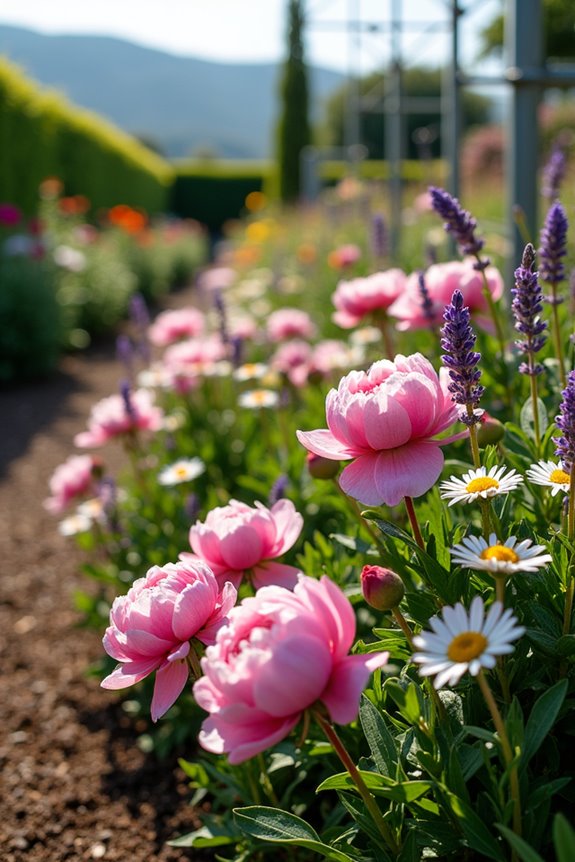
Why do some flowers survive in your garden while others peter out by midsummer? The answer lies in matching plants to your USDA hardiness zone and local conditions.
Check your zone first. Your USDA hardiness zone determines which plants survive your winters. Look up your zone, then select flowers labeled for it.
Assess your site. Before planting, evaluate:
- Sun exposure (full sun or part shade)
- Soil drainage (wet, average, or dry)
- Rainfall patterns in your area
Consider native plants. These grow naturally in your climate, require less maintenance, and support local pollinators. They’re established winners in your zone.
Test selections. Start with a wishlist and observe how plants perform across seasons. This hands-on approach ensures consistent success specific to your conditions.
Remove Dead Flowers to Keep Plants Blooming Longer
There’s a simple trick that’ll keep your flowers blooming well into summer: remove the spent blooms before they go to seed. This practice, called deadheading, redirects your plant’s energy from seed-making to producing more flowers.
Here’s what happens when you deadhead:
- Annuals like marigolds and zinnias respond quickly with continuous blooms throughout the season
- Cutting to the next node stimulates side shoots and fresh buds, extending your flower show
- Perennials often rebloom, though single-stemmed varieties may not repeat
- Fuller plant shape develops as energy goes into new growth instead of seed production
Observing each plant’s response tells you whether to keep deadheading or adjust your approach. It’s one of gardening’s easiest wins.
Signs Your Soil Needs Compost or Fertilizer
Signs Your Soil Needs Compost or Fertilizer
Just like vegetables, your flowering plants’ll tell you when they’re hungry—you’ve just got to know what to look for.
Weak Foliage and Few Blooms
If your flowers aren’t producing the blooms you expected, or their leaves look pale and droopy, soil remediation is probably needed. Before reaching for synthetic fertilizers, observe what you’re actually dealing with.
Start With Organic Matter
Add compost or leaf mold first. These materials improve moisture retention and fertility without pushing excessive leafy growth. Mix two to three inches into your soil annually, mirroring what you’d do for vegetables.
When Heavy Feeding Backfires
Heavy fertilization often creates tall, lanky plants with fewer flowers. Instead, build soil health gradually through organic feeding. Your plants will perform better with compact growth and consistent blooming when they’re getting what they actually need.
Water Deeply and Often During the First Season
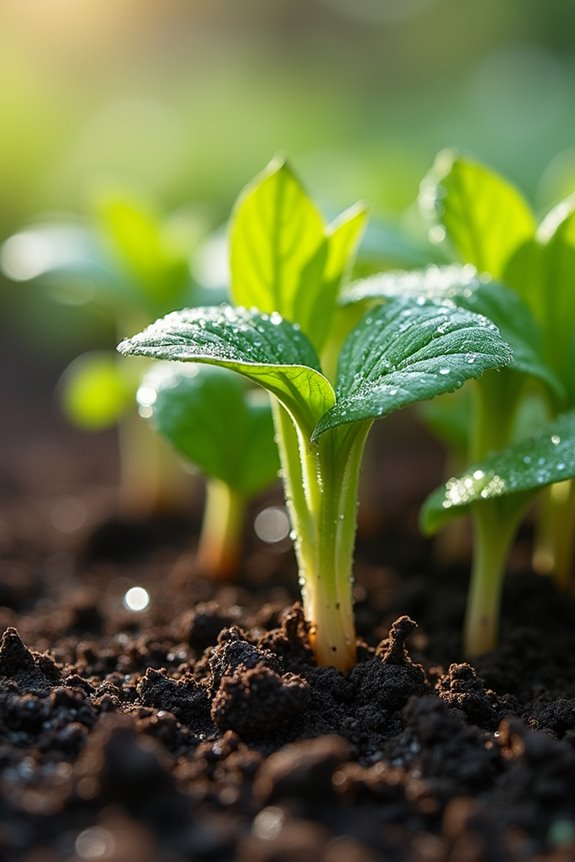
- Deep, thorough soakings that reach the root zone rather than surface sprinkles
- Consistent moisture in fast-draining soils to prevent wilting before establishment
- Keeping topsoil evenly moist without creating waterlogged conditions
- Scheduling around rainfall, adding irrigation during dry spells
I monitor my soil regularly—sticking my finger two inches down tells me what I need to know. When you water deeply, roots stretch downward searching for moisture, building the strong foundation your flowers need. This approach reduces transplant shock and sets you up for strong plant performance long-term.
Full Sun vs. Partial Shade: Which Works Best?
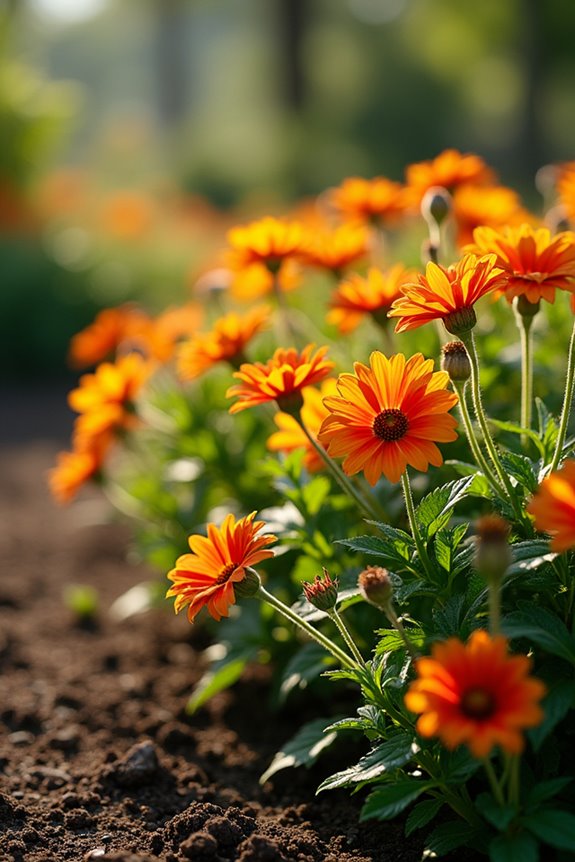
Once you’ve got your watering routine down, the next big factor for your flowers is light. Matching your plants to the right spot matters more than you’d think.
| Plant Type | Light Needed | Best Location |
|---|---|---|
| Sun-loving flowers | 6+ hours direct sun daily | Open garden beds |
| Shade-tolerant plants | 3-6 hours daily | Under trees or north side |
| Heat-sensitive varieties | Full sun with afternoon shade | East-facing spots |
The practical approach: Assess your garden spots first. Even sun-lovers appreciate afternoon shade in hot climates—it prevents stress and keeps blooms coming. Wrong placement kills plants faster than anything else. Start by observing where shadows fall throughout your day, then plant accordingly.
Spring Through Fall: Seasonal Watering and Feeding Changes
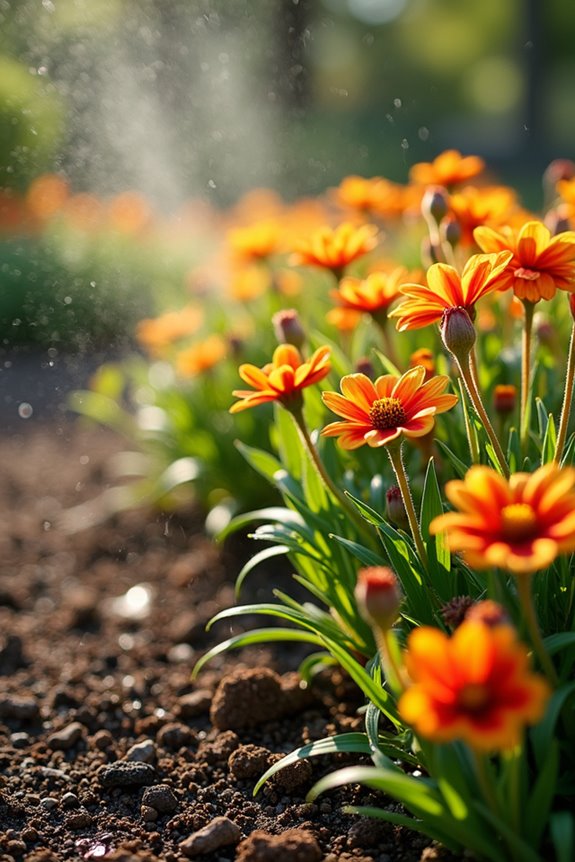
Why does your watering schedule need to shift as seasons change? Because your flowers’ needs aren’t static—they evolve with temperature, rainfall, and growth phases.
I’ve found that adjusting my watering approach keeps blooms healthy:
- Spring: Establish new plantings with consistent moisture for 2–3 weeks before easing back to once weekly
- Early summer: Water deeply once weekly; bump up frequency during heat waves or drought
- Peak bloom: Supplement irrigation during hot, sunny spells to fuel prolonged flowering
- Fall: Gradually reduce watering as growth slows and temperatures drop
Container plants need extra attention since they dry faster. Check soil moisture before watering—it should feel slightly damp, not soggy. This rhythm prevents root rot while encouraging deep, resilient root systems that sustain blooms through fall.
Diagnosing Yellowing, Wilting, and Poor Blooms
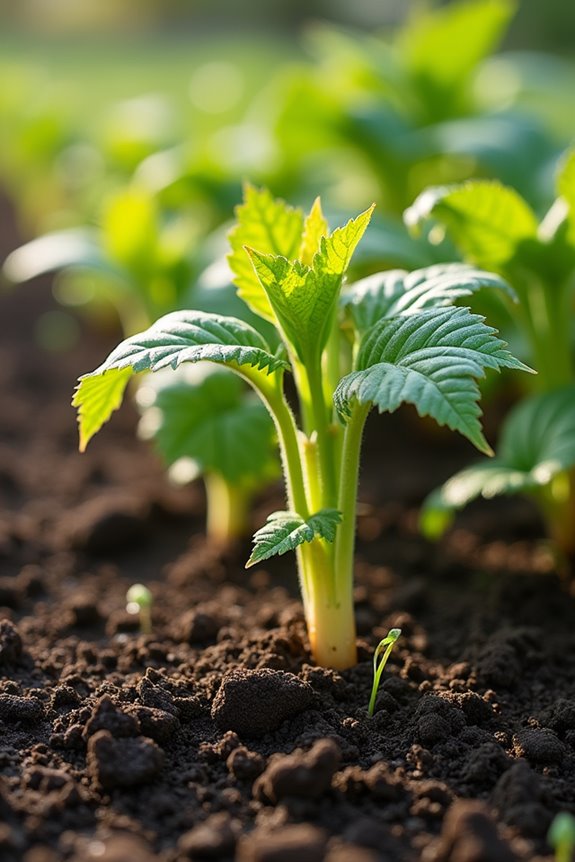
Diagnosing Yellowing, Wilting, and Poor Blooms
Even with a solid watering routine in place, you’ll sometimes notice your flowers aren’t looking their best—leaves turning yellow, stems drooping, or blooms that never quite arrive.
Check Your Watering First
Yellow leaves often signal nutrient issues, but they’re usually about water. I’ve found that checking soil moisture before tweaking fertilizer saves time. Soggy soil causes root problems; overly dry soil stresses plants equally.
Address Wilting
Wilting stems from insufficient watering, heat stress, or compacted soil. Improve soil structure and establish consistent watering schedules for recovery.
Fix Bloom Issues
Poor flowering typically means:
- Insufficient sunlight (less than 6 hours daily)
- Excess nitrogen fertilizer promoting leaves over flowers
- Inconsistent moisture causing premature bloom drop
Verify light exposure and soil drainage alongside your watering habits. Most problems resolve once these basics align.