
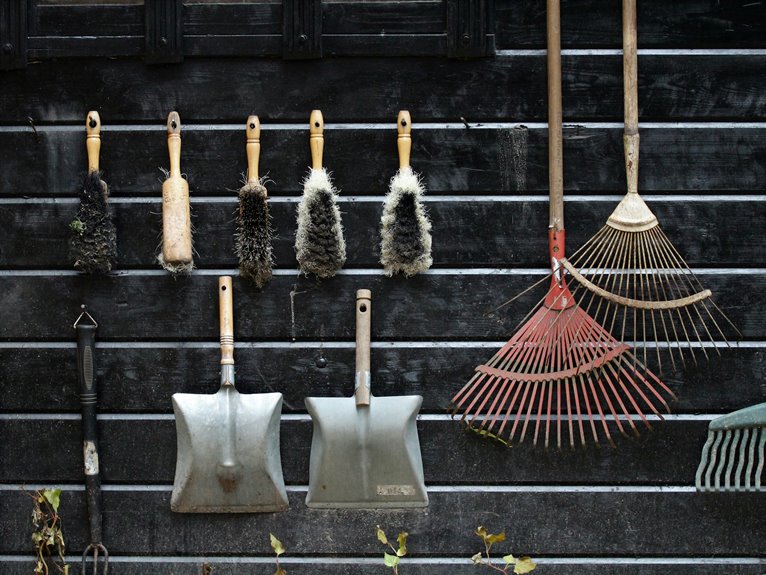
You’ll need to master equipment operation, terrain assessment, and brush adjustment to sweep effectively. Start by inspecting hoppers, belts, and PTO connections daily—it’s required. Learn to read your yard’s conditions: dry debris sweeps easier than wet, and brush height changes everything. Safety matters too—wear gloves, glasses, and keep bystanders 10–15 feet back. Finally, develop consistent maintenance habits and troubleshooting instincts. These foundational skills separate efficient sweepers from those struggling through their yards.
How Your Lawn Sweeper Works
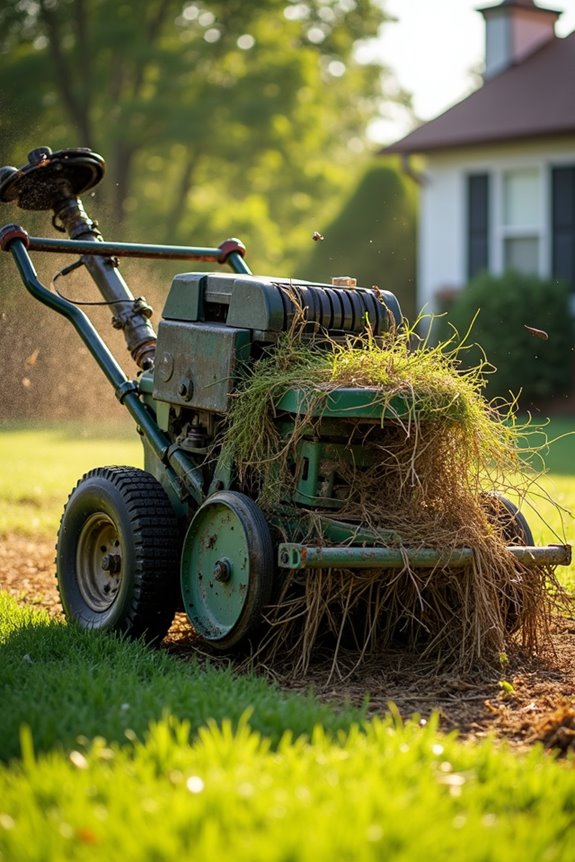
Ever wonder how those rotating brushes underneath a lawn sweeper actually pull leaves and debris off your grass? It’s straightforward, really. When you push or tow the unit forward, the brushes spin underneath, lifting debris into a rear hopper or bag. Think of it like a vacuum for your yard.
Two main styles exist:
- Push models work well for small to medium yards
- Tow-behind models attach to mowers or tractors for larger areas
The hopper collects leaves, grass clippings, pine needles, twigs, cones, and acorns. You’ll empty it periodically for easy disposal.
Getting the best results means:
Maintaining consistent passes, adjusting brush height for different surfaces, and sweeping at appropriate speed. Dry grass and leaves work best—wet debris clogs brushes and requires extra passes.
Operate Your Sweeper Safely From Start to Finish
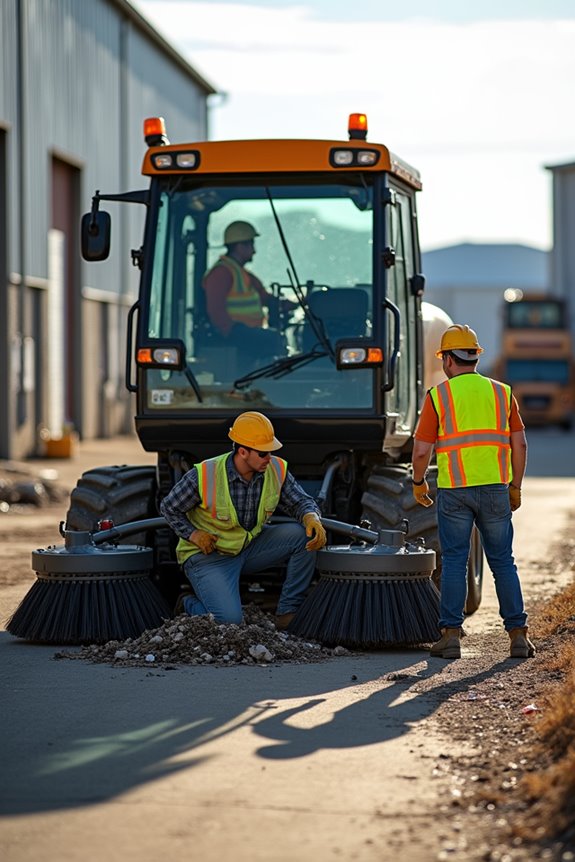
Before you fire up your sweeper, running through a quick safety checklist saves you from headaches later. You’ll want to make sure everything’s secure, the brushes spin freely, and there’s nothing blocking the hopper—these pre-operation checks take just a few minutes but are important. Once you’re rolling, controlled sweeping techniques like maintaining a steady pace and overlapping each pass by about one-third of the sweeper’s width keep you from missing spots and wearing yourself out.
Pre-Operation Safety Checks
Pre-Operation Safety Checks
Before starting your yard sweeper, inspect every component against your manual. Check the wheels, brushes, hopper, and hitch for damage or missing pieces. Make sure brushes face downward and rotate freely without obstruction.
Verify your yard’s ready too. Clear away large rocks, branches, and debris that could clog or damage your equipment. Tighten all bolts, pins, and fasteners, paying special attention to hopper securing mechanisms.
If you’re using a tow model, confirm the hitch attaches properly. Adjust brush height based on what you’re sweeping—lower for pine needles, higher for dense leaves.
These pre-operation safety checks take minutes but prevent problems later.
Controlled Sweeping Techniques
Controlled Sweeping Techniques
The Steady Approach
Walk in straight lines at a smooth, even pace—letting the brushes spin and grab debris naturally. This rhythm keeps everything consistent.
Coverage Strategy
Overlap each pass by about one-third of the sweeper’s width. This prevents missing strips between passes. For edges and corners, use small, controlled pushes and gentle turns rather than aggressive movements.
Brush Height Adjustment
Start by testing a small section. If debris isn’t getting picked up, lower the brushes. When they dig into the ground or resistance feels heavy, raise them slightly.
Hopper Management
Empty and clean the hopper promptly after each session. Clogged hoppers reduce performance.
Daily Equipment Inspection: Hoppers, Belts, and PTO Connections
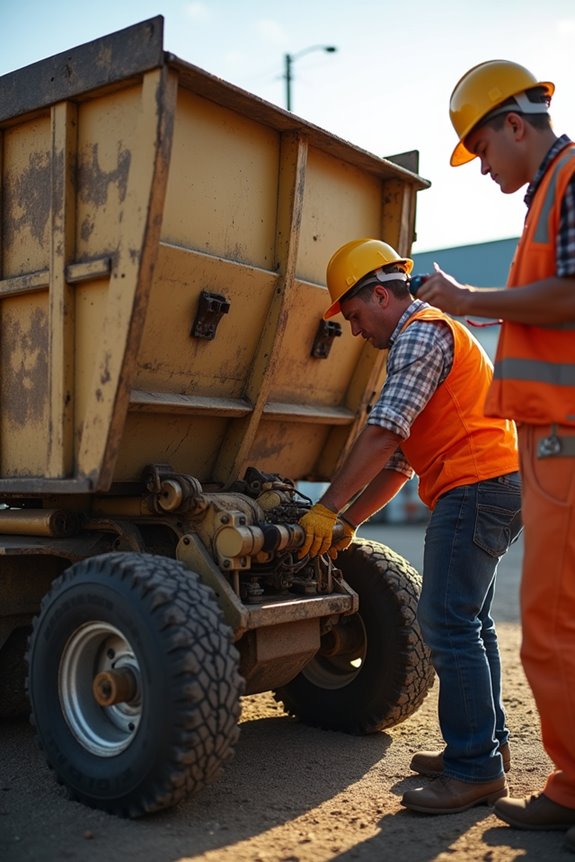
I’ve learned that spending five minutes on daily checks before you fire up your sweeper saves you hours of problems later. You’ll want to verify three main systems—your hopper (the collection bag or container), the belts that move debris, and the PTO connection (that’s the Power Take-Off shaft linking your sweeper to your tractor)—because each one plays an important role in keeping your machine running smoothly. Getting these inspections right means you’re not stuck troubleshooting mid-job or dealing with debris spilling everywhere.
Hopper Capacity and Condition
Why does your hopper need daily attention before you even start sweeping?
Your hopper capacity directly impacts how efficiently you work. A full hopper means frequent stops to dump debris—cutting into your productivity. I check mine each morning to confirm it’s empty and ready.
Inspect hopper condition by looking for:
- Visible cracks or damage in seals
- Moisture buildup inside
- Debris stuck around the opening
Small pine needles and leaves accumulate quickly, causing clogs that slow debris flow. I spend two minutes clearing the hopper opening before each pass. It’s necessary.
Damaged seals let moisture in, which creates heavy, clumpy debris that doesn’t fall cleanly into collection bags. A sound hopper with intact seals keeps everything moving smoothly, letting you focus on actual sweeping rather than equipment troubleshooting.
Belt and PTO Safety Checks
Before you fire up your sweeper each day, the belts and PTO connections deserve your full attention—they’re what actually transfer power from your engine to the sweeping mechanism. Catching issues early prevents problems later.
Check these belt safety items first:
- Inspect for fraying, cracks, or slipping
- Verify proper tension across all pulleys
- Look for unusual wear patterns
For PTO safety, examine the connections securing to your engine. Make sure pins are clean, safety shields sit snug, and nothing wobbles when you wiggle it by hand.
| Inspection Point | What to Look For | Action if Found |
|---|---|---|
| Belts | Cracks or fraying | Replace immediately |
| Tension | Slipping on pulleys | Adjust or replace |
| PTO pins | Corrosion or damage | Clean or replace |
| Safety shields | Loose or missing | Secure or reinstall |
| Vibration | Unusual movement | Investigate source |
Watch for oil leaks and damaged seals indicating internal problems. All guards must be present and functioning before starting.
Adjust Settings by Terrain Type
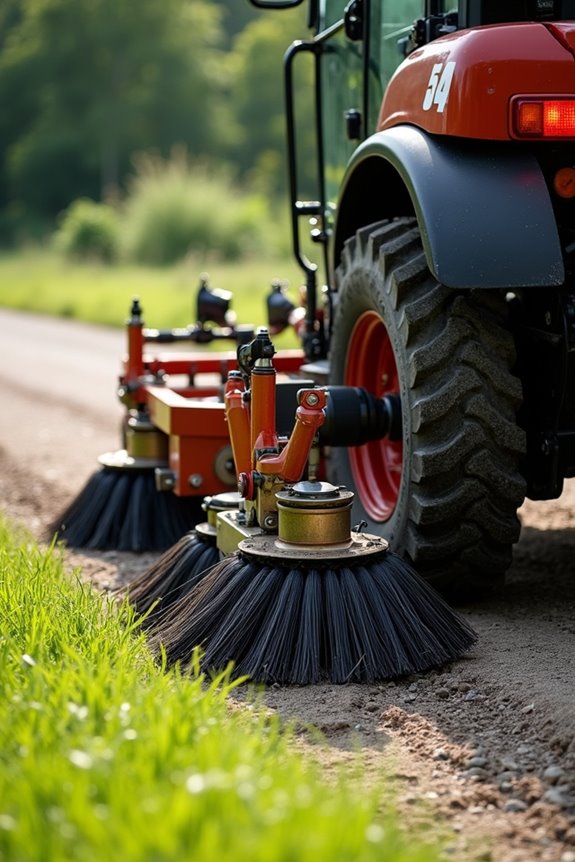
Brush Height Matters
I’ve learned that brush height is your primary control for different terrain types. Lower the brushes when tackling thick debris like pine needles—this improves contact without clogging. For dry leaves, I use moderate height and steady speed. Wet leaves? I lower it further and slow down my passes.
Hard Surfaces Need Care
Rocky areas and hard surfaces demand slightly raised brushes to prevent damage while keeping passes consistent.
Monitor Your Hopper
Verify hopper capacity and adjust sweep speed across terrain changes. This prevents overfilling and ensures continuous debris collection, keeping your workflow smooth and efficient.
Set Brush Height and Speed Right
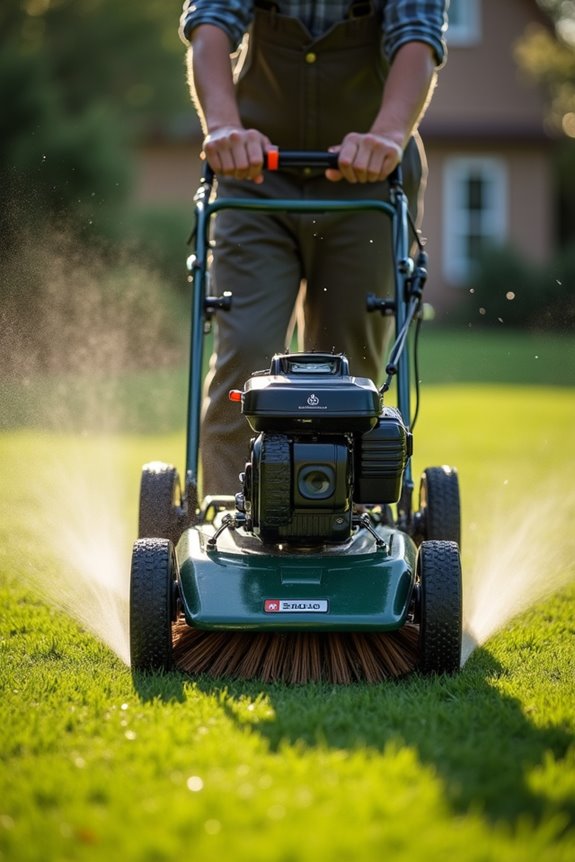
Getting your brush height and speed dialed in separates a decent sweep from one where you’re actually picking things up. Brush height directly impacts what you collect—lower settings grab pine needles while higher settings handle thicker clippings. Your walking pace matters too. Maintain steady 2–3 mph on tow-behind sweepers, keeping brushes spinning evenly without rushing.
| Debris Type | Brush Height | Ground Speed | Best Conditions |
|---|---|---|---|
| Pine needles | Low | 2–3 mph | Dry days |
| Dry leaves | Standard | 2–3 mph | Dry days |
| Thick clippings | High | 2–3 mph | Dry days |
| Wet debris | Adjusted | Slower | After rain |
| Mixed debris | Medium | 2–3 mph | Ideal |
Test before committing. After your first pass, check results. If debris isn’t collecting cleanly, adjust height and re-test before sweeping broader areas.
Steer Straight to Protect Your Turf
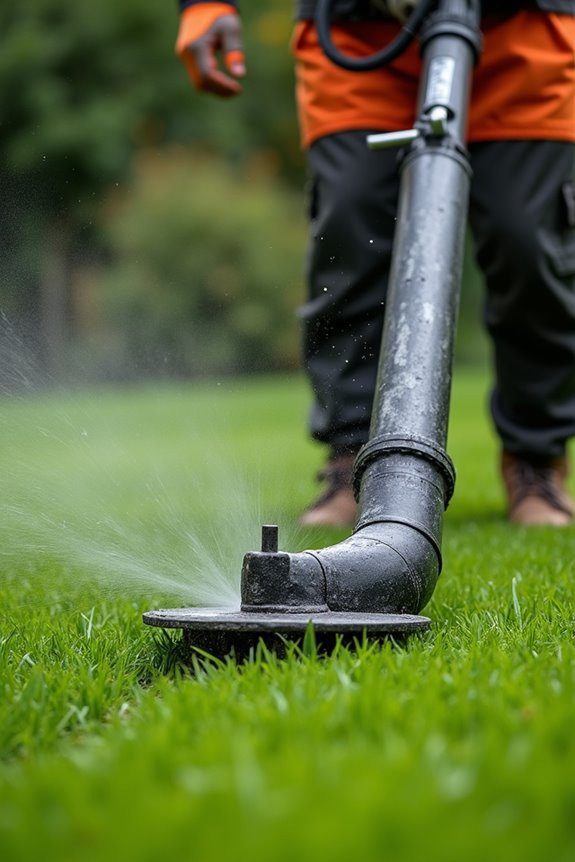
Straight Lines Protect Your Turf
Straight lines aren’t just about neat appearance—they’re necessary for protecting your lawn while you sweep. When I maintain a steady straight path, I avoid the scalping and stress that rapid turns cause. Here’s what keeps me on track:
Key steering techniques:
- Use smooth, controlled pushes instead of jerky movements
- Align each pass with my previous one to ensure consistent coverage
- Drive slowly with brushes spinning to maintain direction and reduce debris scatter
I’ve learned that staying focused on my endpoint helps me avoid drifting. For tow-behind models, this discipline matters even more—slower speeds give me better control. By committing to straight passes, I’m protecting the grass underneath while completing thorough turf protection. It’s one of those skills that separates efficient sweeping from lawn damage.
Know When to Sweep: Weather and Conditions
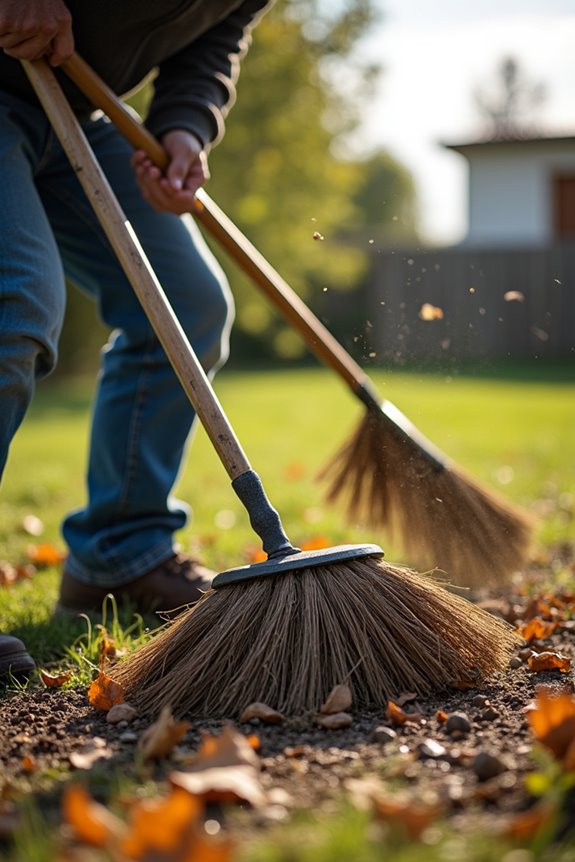
Keeping those straight lines means nothing if I’m fighting wet grass and clogged equipment. Weather conditions make or break a sweeping job.
The Best Conditions
I always sweep on dry days when possible. Dry leaves and grass pick up cleanly, preventing hopper backups and multiple passes. Wet debris clogs equipment and causes frustration.
Before You Start
I run test passes first. This tells me if the grass is too wet or if I need to adjust brush height. Pine needles, for instance, need lower settings for effective pickup.
Avoid These Times
I skip sweeping right after rain or frost. Damp conditions create mud, clumping, and strain on equipment. That’s unnecessary wear to prevent.
Timing matters as much as technique.
Manage Your Sweeper’s Hopper Capacity
I’ve learned that knowing your sweeper’s hopper size—the container that collects debris—is important because it directly affects how often you’ll stop to empty it and how efficiently you can work through a job. You’ll want to empty the hopper when it’s about half to two-thirds full, which keeps the debris flowing smoothly and prevents clogs that stall your pickup. Getting this timing right takes practice, but once you learn it, you’ll spend less time troubleshooting and more time actually sweeping.
Know Your Hopper Size
| Hopper Size | Debris Capacity | Emptying Frequency | Best For |
|---|---|---|---|
| Small | 20-30 lbs | Every 15-20 min | Small yards |
| Medium | 40-60 lbs | Every 25-35 min | Average properties |
| Large | 80+ lbs | Every 45-60 min | Large properties |
| Detachable | Varies | As needed | Maximum flexibility |
Check your model’s specifications before starting. Refer to your manual for exact details about your equipment.
Empty On Schedule
When’s the best time to empty your hopper? I’ll be honest—it’s not when it’s completely full. I empty mine when it reaches about three-quarters capacity, which keeps things running smoothly without drama.
Why This Matters
Emptying on schedule prevents clogging and maintains pickup efficiency. Overfilled hoppers cause spillage during turns and stops, creating extra cleanup work.
My Routine
I check hopper capacity between passes. When it’s getting full, I stop sweeping and head to the dump site. It takes minutes but saves time later. Once it’s empty, I inspect for debris stuck inside, close it securely, and resume sweeping.
This consistent rhythm keeps my workflow uninterrupted and my equipment running as intended.
Prevent Overflow Clogs
How do you keep your hopper from becoming a debris trap? I’ve learned that staying ahead of clogs means watching your hopper capacity constantly. When you’re sweeping, pause regularly to empty the hopper before it reaches full capacity—this prevents overflow and maintains consistent suction throughout your work.
| Debris Type | Weight Impact | Clog Risk |
|---|---|---|
| Dry leaves | Light | Low |
| Wet grass | Heavy | High |
| Pine cones | Extra heavy | Critical |
I avoid loading too much in single passes, keeping debris from backing up inside. Removing oversized items like large acorns manually prevents blockages before they start. The key is monitoring constantly and emptying when you’re near full, not waiting until overflow happens. This routine keeps your machine working properly.
Coordinate Sweeping Around Mowing and Events
For mowing coordination, I sweep right after cutting, overlapping each pass by about one-third of my sweeper’s width. This prevents gaps and keeps debris collection consistent.
When tackling larger areas for events, I drive slowly and maintain steady paths. Before starting, I clear away rocks, sticks, and toys that could damage equipment or clog the hopper. A quick test run on a small section lets me adjust brush height and speed, ensuring smooth operation throughout the job.
Sweeper Operator Safety Gear and PPE
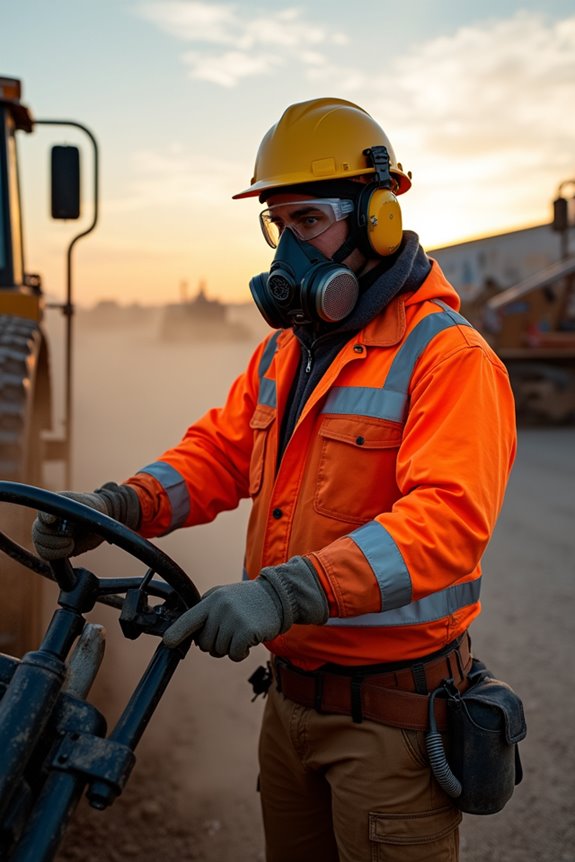
I’ll be honest—skipping safety gear might seem like a time-saver, but it’s the quickest way to turn a routine yard job into a trip to the emergency room. You’ll need to gear up with the right protective equipment and develop safe operating habits before you fire up that sweeper, because rotating brushes and flying debris don’t care about your experience level. Let’s look at what protection you actually need and how to operate your equipment so you stay in one piece.
Essential Protective Equipment
When you’re operating a yard sweeper, what’s between you and potential injury? Your protective equipment and safety gear. I’ve learned that skipping even one piece means risking real damage.
Here’s what I wear every time:
| Equipment | Purpose |
|---|---|
| Sturdy gloves | Protect hands from debris and moving parts |
| Safety glasses | Shield eyes from kicked-up particles |
| Closed-toe shoes | Guard feet from brush contact |
| Long sleeves and pants | Block sharp twigs and pine needles |
| Hearing protection | Prevent long-term damage from noise |
Additional Protection:
- Respiratory mask (dusty conditions)
- Brimmed hat and sunscreen (outdoor work)
You’ll feel more confident knowing you’re protected. That confidence makes the job easier. I don’t skip this stuff anymore—it’s part of the routine, like fueling up before you start.
Safe Operating Practices
How many yard sweeper accidents happen because someone skips the basics? I’ll tell you—too many. Before I fire up my sweeper, I always perform a quick visual check. I inspect the guards, wheels, brushes, and fasteners to catch problems early.
Pre-Operation Checklist:
- Empty the hopper completely
- Secure all fasteners
- Verify guards are intact
When operating, I keep my work area clear and avoid wet or uneven ground. Long hair gets tied back, and I maintain distance from rotating brushes and the PTO (power take-off) drivetrain.
Key safety practices:
- Disengage power before maintenance
- Secure equipment when adjusting anything
- Wear protective gear consistently
These habits aren’t glamorous, but they’re what keep us working safely season after season.
Protect Bystanders While Operating Your Sweeper
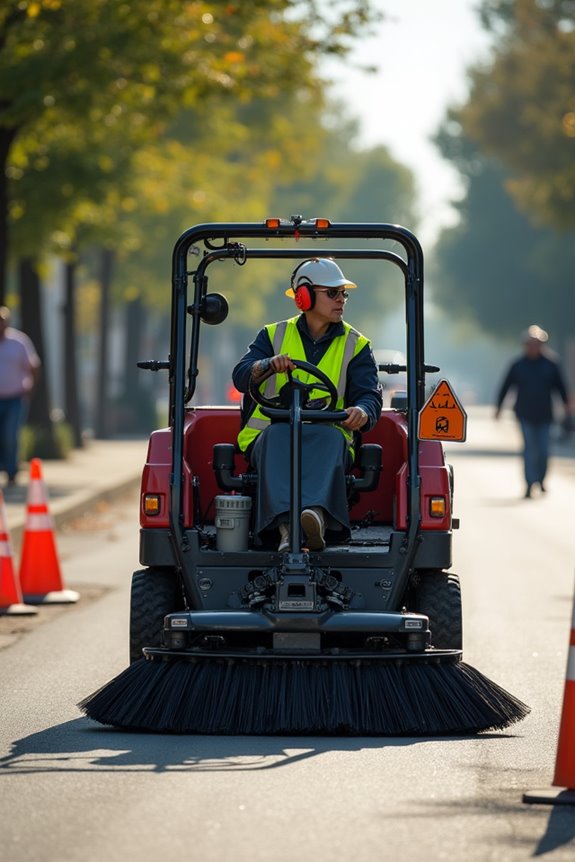
Safety around your sweeper isn’t just about you—it’s about keeping everyone nearby out of harm’s way. When you’re sweeping, you’re responsible for the people around your equipment, and that’s something we all take seriously.
How to manage bystander protection during sweeping operations:
- Keep distance: Maintain at least 10–15 feet between your sweeper and anyone nearby, preventing rotating brushes from throwing debris toward people.
- Give clear warnings: Use slow, controlled passes and signal before approaching people or pets, preventing accidental contact.
- Scout ahead: Inspect the area for hidden rocks, toys, or hazards that could become dangerous projectiles.
Also secure your hopper so nothing spills during unloading, and operate on flat ground away from crowds. Everyone benefits from shared responsibility for safety.
Troubleshooting Common Sweeper Problems During Operation
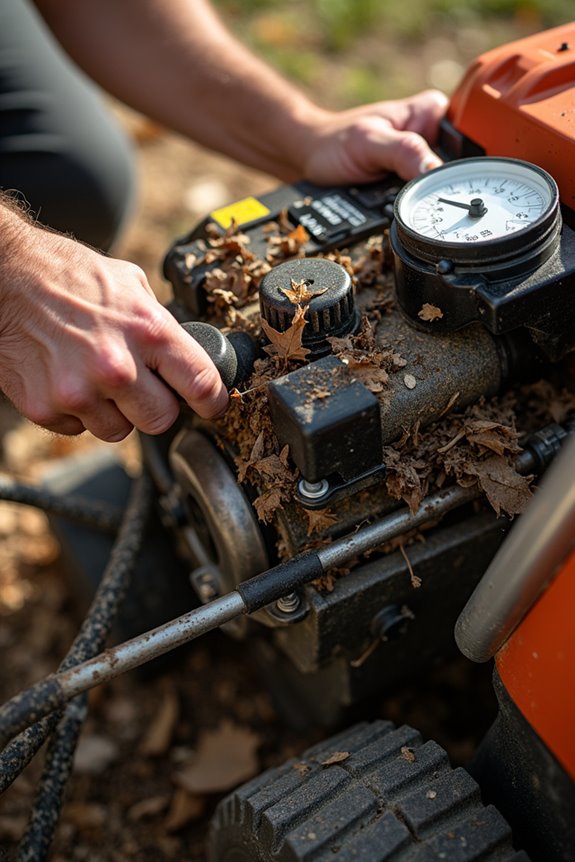
Adjust Your Brush Height
- Lower the brushes if debris’s escaping uncollected
- Raise them if pushing feels heavy or brushes dig into soil
Test Before You Commit
Sweep a small section first to see how well it handles leaves or clippings. This prevents wasting time on the whole yard.
Timing Matters
Dry grass and leaves work better than wet conditions—they reduce clogs and improve pickup. For tow-behind models, drive slowly with brushes spinning and verify your attachment’s secure. Overlap passes by roughly one-third of your sweeper’s width for complete coverage.
Clean and Maintain Your Sweeper
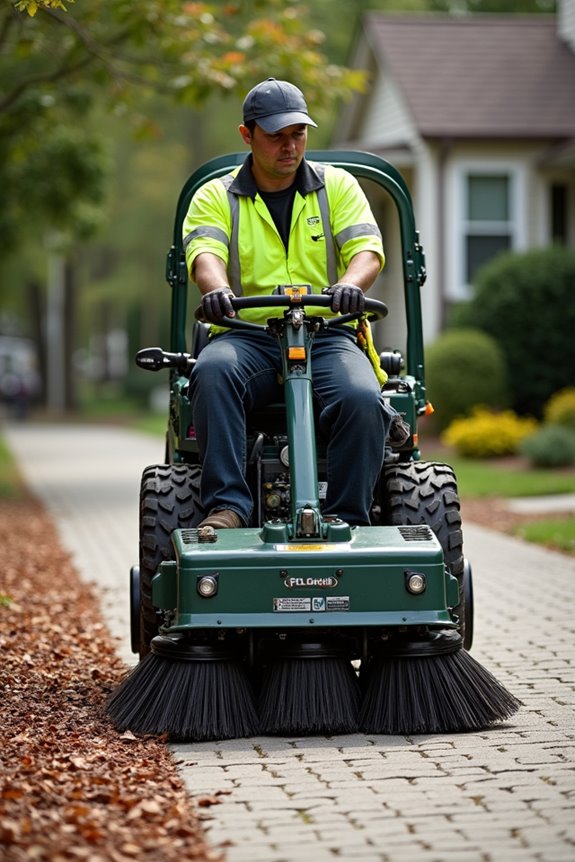
Keeping your sweeper in good shape doesn’t take much effort, but it’ll save you problems down the road. Regular maintenance keeps my lawn sweeper running smoothly and extends its life.
Here’s what I focus on:
- Empty and inspect – I empty the hopper after each use and check brushes for debris or pine needles that cause clogs
- Check moving parts – I ensure wheels rotate freely and brushes spin without resistance during operation
- Store properly – I clean the sweeper between uses and store it dry to prevent rust
Dry leaves make my job easier since they sweep without jamming, unlike wet leaves requiring multiple passes. Adjusting brush height for different surfaces keeps everything running efficiently. These maintenance habits mean fewer problems and longer equipment life.
Sweep Faster Without Losing Quality
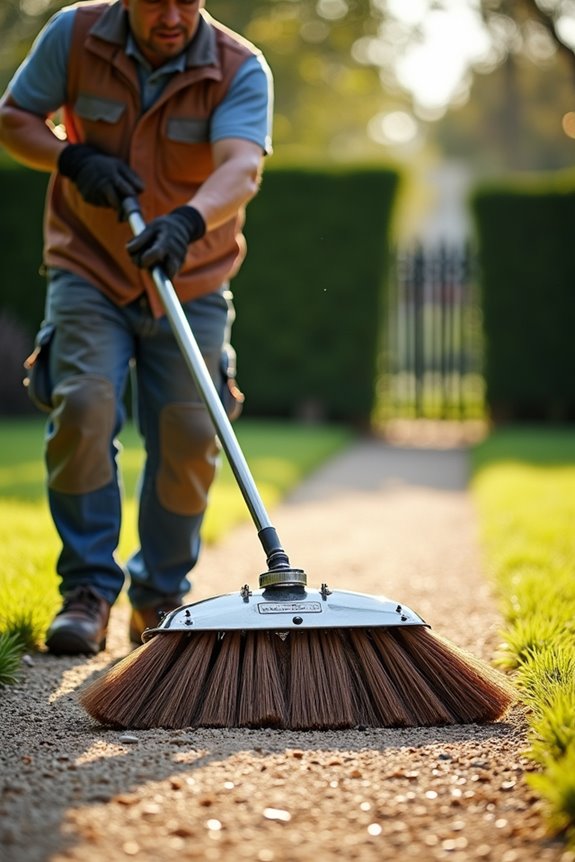
Sweep Faster Without Losing Quality
How do you cover your yard quickly without leaving debris scattered behind? I’ve learned that speed and thoroughness aren’t opposites when you understand your lawn sweeper’s rhythm.
Key Techniques
I maintain a steady 2–3 mph walking pace, letting the brushes spin consistently rather than rushing. I overlap each pass by roughly one-third of my sweeper’s width, which prevents gaps that force me back over sections later.
Preserve Your Pickup Quality
I sweep in smooth, straight lines with controlled movements. This keeps my pickup quality high while reducing brush wear. I test small sections first to set the right brush height—lower for stubborn debris, raised if pushing feels heavy.
Consistent Results
Staying focused on technique across my entire yard saves me time. I adjust only when conditions demand it, like wet grass or dense leaves.