
Yes, ground cover fabric ultimately fails your garden. It blocks water and oxygen your plants desperately need, traps heat that stresses roots, and suffocates the soil microbes keeping your earth healthy. Weeds still germinate on top as organic matter accumulates, and removal damages root systems you’ve worked to establish. Wood chip mulch—spread 2 to 4 inches deep—offers better drainage, airflow, and soil enrichment without the drawbacks.
Landscape Fabric Promises Weed Control: Then Fails
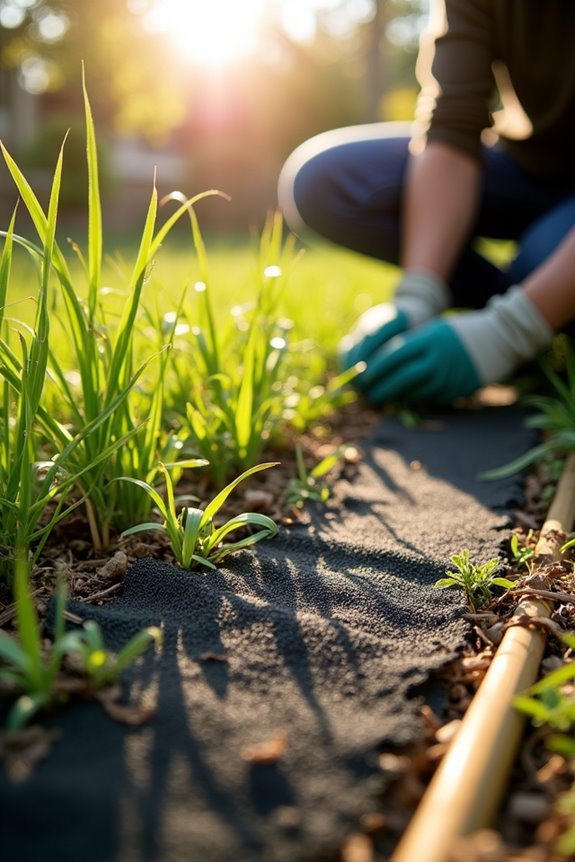
Why does landscape fabric seem like such a smart solution at first, then turn into a maintenance headache?
Landscape fabric promises weed control but delivers accumulated soil, sprouting seeds, and tougher removal work than doing nothing.
I get it—landscape fabric looks promising. You install it, add mulch on top, and think you’ve solved your weed problem permanently. But here’s what happens: soil and organic matter accumulate on the fabric’s surface. Seeds land there and sprout, roots penetrate right through, and suddenly you’re pulling weeds anyway—except now they’re tougher to remove.
The Real Problem
Perennial weeds root through the fabric completely. When you pull them, you risk damaging nearby plant roots. Your weed control strategy backfires, creating more work than if you’d skipped the fabric altogether. That initial promise? It rarely delivers long-term.
Why Fabric Blocks Water and Oxygen Your Plants Need
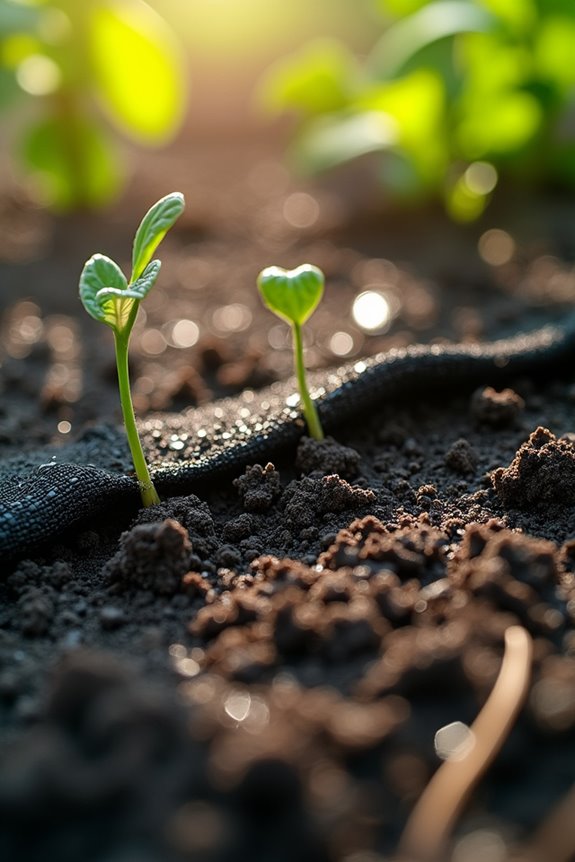
I’ve learned the hard way that ground cover fabric creates a hidden problem: it slowly chokes off the water and air your plants desperately need. As soil particles and organic matter pile up on top of the material over time, the tiny pores get clogged—kind of like a kitchen sponge that’s been sitting under dirty dishes—blocking water from soaking down to roots and preventing oxygen from moving through the soil below. Your plants end up struggling in what feels like suffocation, even when you’re watering regularly and the soil looks moist on the surface.
Gas Exchange And Soil Life
Your soil isn’t just dirt—it’s a living environment. Earthworms, beneficial bacteria, and fungi all need oxygen to survive. When landscape fabric blocks air movement, these organisms suffocate. The microbes that break down organic matter and feed your plants can’t function properly in oxygen-depleted conditions.
Over time, mulch settles into the fabric’s pores, making the problem worse. You’re left with compacted soil lacking biological activity beneath the barrier. Even small tears don’t help—soil particles still clog the gaps, perpetuating the damage. Your garden’s foundation deteriorates quietly, year after year.
Water Infiltration Problems
- Plastic and nonwoven sheets impede water movement downward
- Gaps in the fabric allow soil particles to fill pores over time
- Mulch sitting on fabric creates a moisture barrier instead of protection
Surface water pools above the fabric, which encourages weed growth rather than preventing it. Plants stay stressed and thirsty while weeds flourish in that shallow moisture. Removing the fabric—especially in fall—restores direct soil-water access roots need.
Oxygen Deprivation In Roots
While water pooling on fabric surfaces creates problems we’ve covered, there’s another issue happening underneath: ground cover fabric blocks the oxygen roots need to survive.
The Root Respiration Problem
Plant roots don’t just absorb water—they breathe. Root respiration requires gas exchange, where roots take in oxygen and release carbon dioxide. Landscape fabric restricts this process significantly. When fabric blocks air movement into soil, your plants can’t access the oxygen they need, even if water reaches them.
What Actually Happens
Over time, roots suffocate. You’ll notice crown decline, weak growth, and stress symptoms in trees and perennials. The fabric’s pores fill with mulch and soil particles, making gas exchange nearly impossible. Microbial respiration suffers too, degrading overall soil health and leaving you with struggling plants that seem mysteriously weak despite your efforts.
How Fabric Suffocates Soil Microbes and Earthworms
The Suffocation Effect
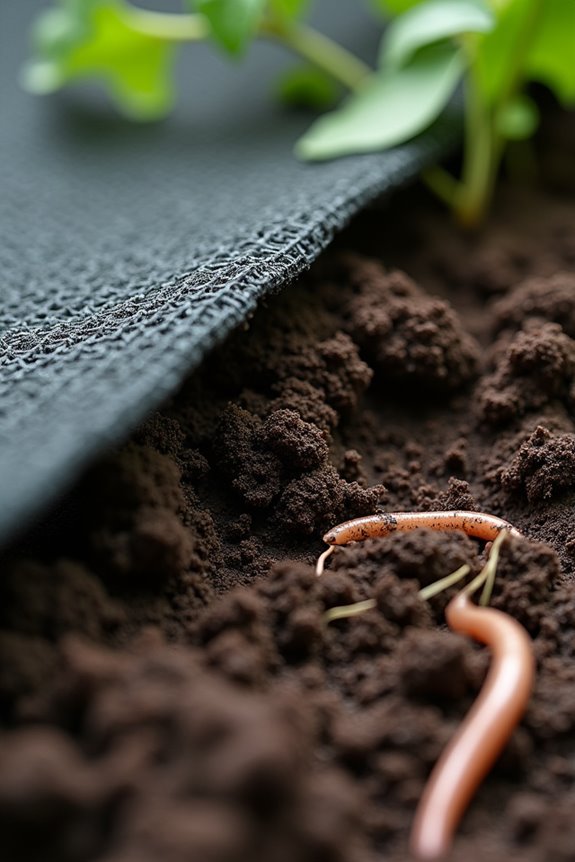
When you lay down landscape fabric, you’re putting a barrier over your soil’s ability to breathe. Restricting water and oxygen movement prevents soil microbes—the tiny organisms keeping your garden functional—from performing their essential role. These organisms require air to survive. Studies document that carbon dioxide movement between soil and atmosphere drops significantly under fabric. Without proper gas exchange, microbial populations decline rapidly.
What Happens Next
Earthworms and other soil fauna leave the area, seeking healthier ground. You lose the creatures responsible for breaking down organic matter and improving soil structure. Nutrient cycling slows considerably. Your once-living soil becomes increasingly inert, creating conditions that degrade the ecosystem you’re attempting to protect.
Why Weeds Still Germinate on Top of Landscape Fabric
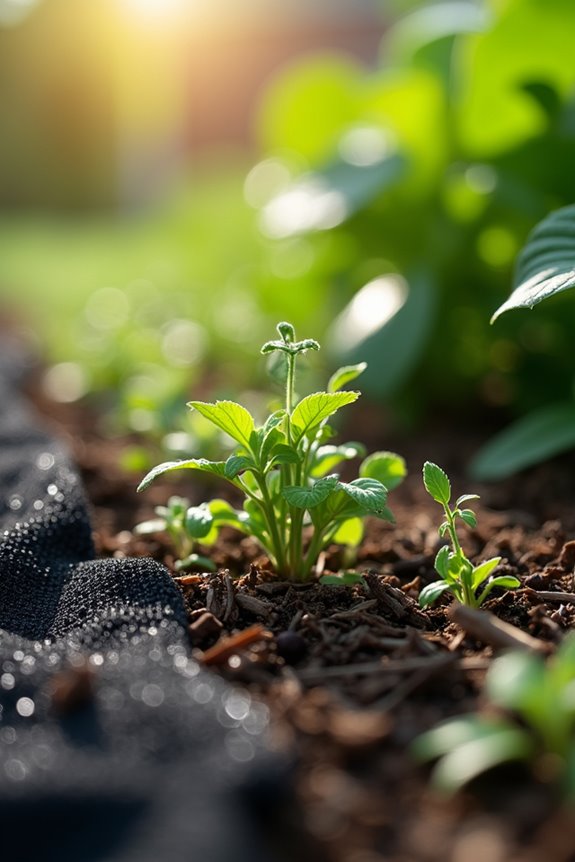
Even with fabric down, weeds find a way to sprout right on top of it. Over time, organic matter—grass clippings, leaves, and decomposed mulch—builds up on the fabric’s surface, creating a nutrient-rich seedbed where weeds can take root. Meanwhile, soil particles work their way into the fabric’s holes and along its edges, trapping moisture that encourages germination exactly where you didn’t want it.
Organic Matter Accumulation
Ever wonder why weeds pop up on top of your landscape fabric even though you installed it to stop them? Here’s the thing: organic matter accumulation is the culprit behind weed emergence that catches most gardeners off guard.
Over time, mulch, leaves, and soil naturally settle on your fabric’s surface. This creates a nutrient-rich seedbed that invites weeds to grow—defeating your fabric’s purpose. I’ve watched this happen in my own garden repeatedly.
| What Accumulates | How It Forms | Result |
|---|---|---|
| Mulch breakdown | Decomposition over months | Weed-friendly layer |
| Fallen leaves | Seasonal drop | Organic matter buildup |
| Soil particles | Wind and water | Seed germination surface |
The deeper your organic matter gets, the easier surface weeds become to pull, but ironically, weed emergence increases. Your fabric ends up buried and ineffective—a frustrating cycle we’re all dealing with.
Water and Soil Dynamics
Why does water behave so differently once you’ve installed landscape fabric?
The barrier actually blocks water infiltration from reaching soil below, creating unexpected problems. When mulch or soil sits on top, it seals the fabric’s pores, leaving your plants stressed from drier conditions underneath. Meanwhile, that accumulated surface layer—organic matter and soil particles—traps moisture above the fabric, forming a moisture-rich zone suitable for weed germination.
Here’s what happens: water pools at the fabric-soil interface rather than draining through. This creates competing environments—dry below, wet above. Seeds settling in that moist top layer find ideal conditions to sprout, despite your barrier’s intent.
The solution isn’t removing fabric entirely, but establishing proper drainage. Install it over amended soil, leave gaps for water movement, and avoid burying it completely under mulch.
Removal Headaches: Why Extracting Fabric Damages Roots
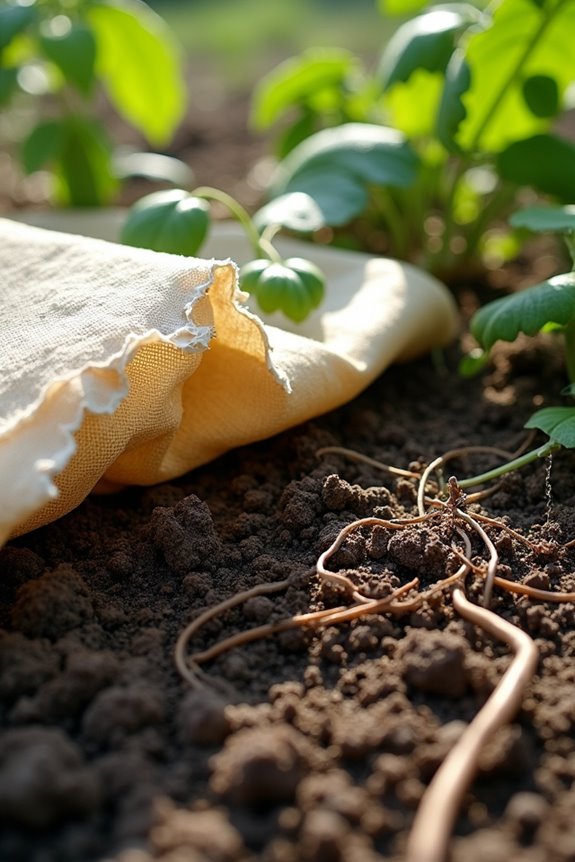
Once you’ve decided to remove landscape fabric, you’ll quickly discover that the job is more difficult than installation—and potentially damaging to your plants.
Over time, fabric becomes deeply interwoven with root systems. When you pull or cut it away, you risk root injury because those roots have grown right through the weave. Perennial weeds complicate matters further—their roots penetrate the fabric, so extracting it can snap adjacent roots unexpectedly.
Here’s the real issue: your plants’ roots have adapted to the restricted moisture and gas exchange beneath fabric. Once you expose them, stressed roots struggle to adjust, leading to plant decline.
Timing matters. Fall removal minimizes stress since cooler, moister soil conditions reduce additional root damage during extraction. Take your time and work carefully—rushing guarantees broken root crowns and complicated recovery.
How Fabric Creates Heat and Moisture Problems
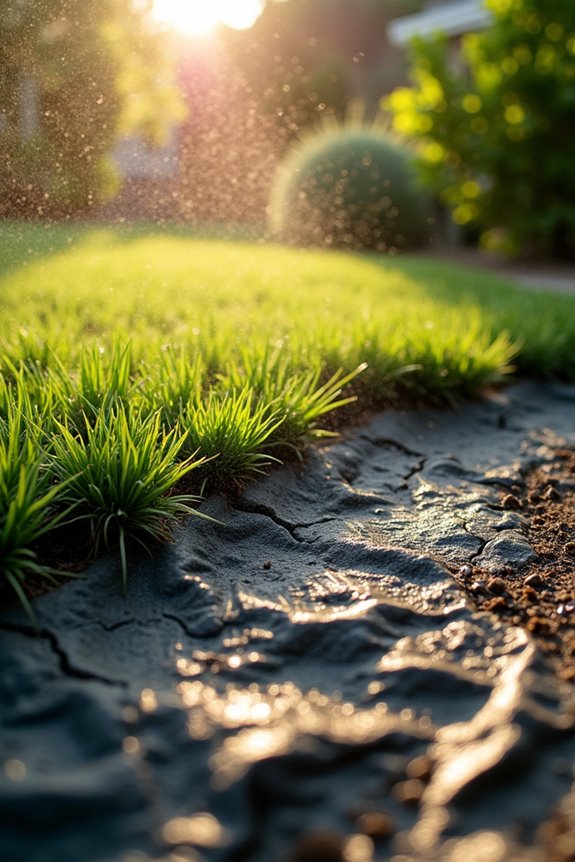
Beyond the root damage that happens during removal, terrain fabric causes ongoing stress to your plants while it’s still in place. Fabric traps heat beneath its surface, creating hot pockets that elevate soil temperatures and exhaust plants during growing seasons. Meanwhile, the barrier blocks water and oxygen movement, restricting moisture transfer to roots and weakening plant vigor over time. As organic matter settles on top, surface-level seeds sprout despite the fabric’s intended protection. Those gaps and holes filling with soil particles further choke off water infiltration, compounding drainage problems. You’re suffocating your garden’s soil ecosystem while simultaneously cooking your plants’ roots.
Wood Chip Mulch: A Better Weed Control Option
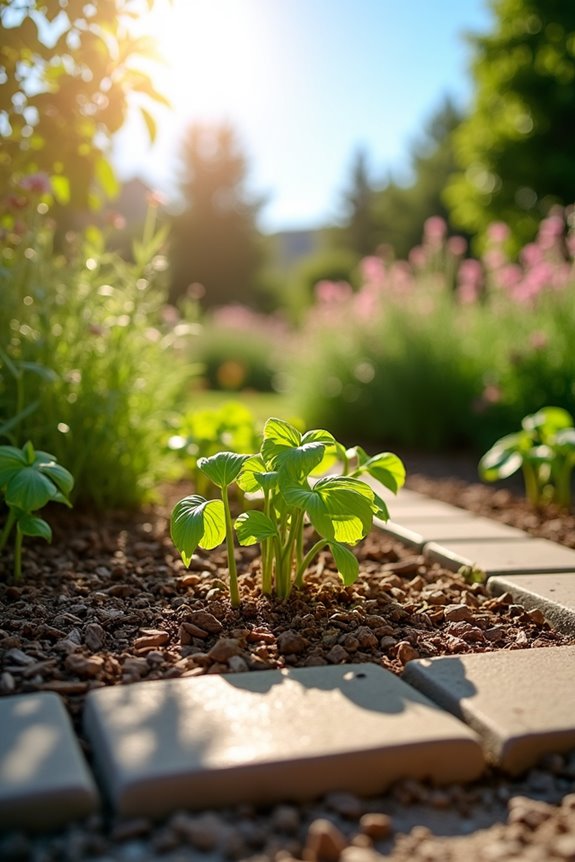
Wood Chip Mulch: A Better Weed Control Option
If you’ve been fighting with landscape fabric in your garden, wood chip mulch offers a practical alternative that works without suffocating your soil.
Why Wood Chips Work
Wood chips suppress weeds while doing something fabric cannot—they improve your soil. As they break down, they add organic matter that enriches the earth beneath your plants. Unlike fabric, wood chips allow water and air to move freely, supporting better root growth and soil life.
Getting the Depth Right
Spread wood chips 2 to 4 inches deep around perennials and shrubs. You’ll need to replenish them periodically as decomposition happens, but that’s part of their function. Better drainage, improved soil structure, and stronger plant performance—that’s what replacing fabric with arborist wood chips delivers.
Remove Landscape Fabric: Timing and Steps
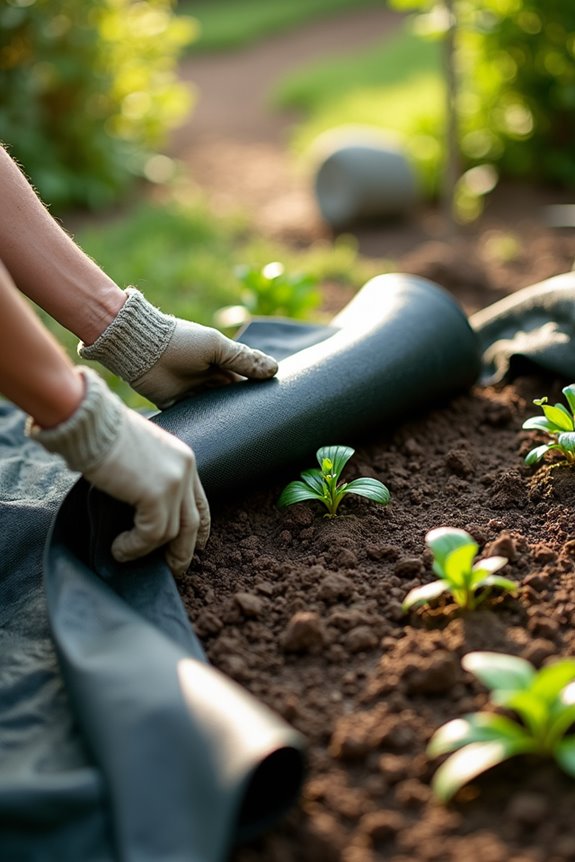
When should you actually pull up that terrain fabric you’ve been meaning to deal with?
Best removal timing happens in fall when soil stays cooler and moister. These conditions make extraction easier and gentler on your plants.
How to Remove It Right
Here’s what I do:
- Start at the edges and work inward slowly
- Avoid yanking to prevent tearing intact root systems
- Lift carefully to minimize soil disruption
Once that fabric’s gone, you’ve addressed a major problem. Weeds still creep through eventually anyway, and that barrier blocks root growth.
Replace it immediately with arborist wood chips. This mulch layer maintains moisture while letting roots breathe properly.
Fair warning though: removal doesn’t fix everything. Burlap wrapping or existing root issues might linger beneath.
How to Apply and Maintain Wood Chip Mulch
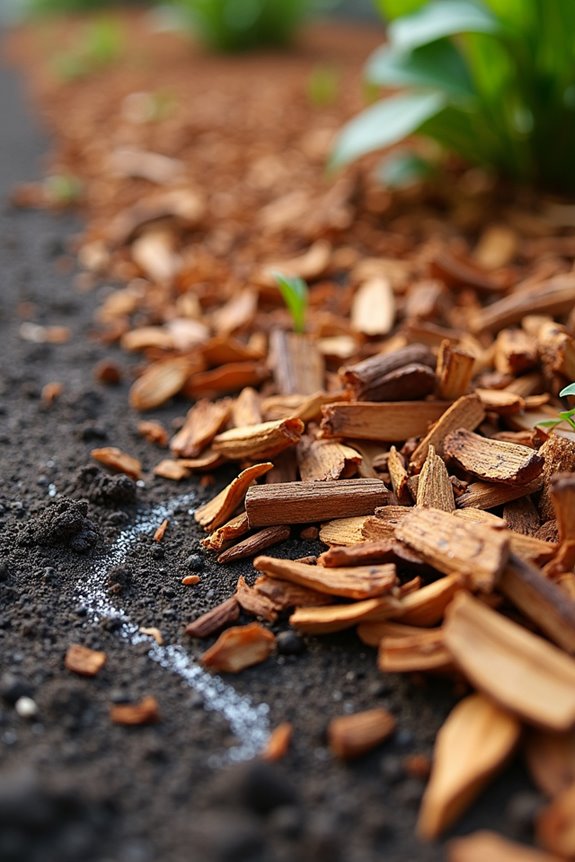
How to Apply and Maintain Wood Chip Mulch
Now that you’ve pulled up that landscape fabric, what actually goes down in its place? Wood chips are your answer—they’re the natural alternative that improves your soil instead of blocking it off.
Mulch Application Steps:
- Clear all weeds first; bare soil underneath still lets seeds sprout on the surface
- Spread wood chips 2 to 4 inches deep across beds and borders
- Keep mulch pulled back from tree trunks and plant stems by a few inches to prevent moisture problems
Maintenance:
Replenish your mulch every season or two as it breaks down. This ongoing process maintains weed suppression and soil moisture while feeding your garden’s ecosystem. Unlike fabric, wood chips let air and beneficial microbes do their work beneath the surface.