Premium patio furniture costs more because it’s built to last—not just look good. I’m talking marine-grade aluminum frames, fully welded construction that eliminates weak joints, and cushions made with quick-dry foam and Sunbrella fabrics that resist fading and mildew. Cheap sets use bolt-together parts and basic finishes that peel within seasons. You’re also paying for multi-year warranties, precision engineering verified through lab tests, and materials that maintain their appearance after a decade outdoors. The real value becomes clear when you see what happens next.
Premium Materials Engineered for Outdoor Conditions
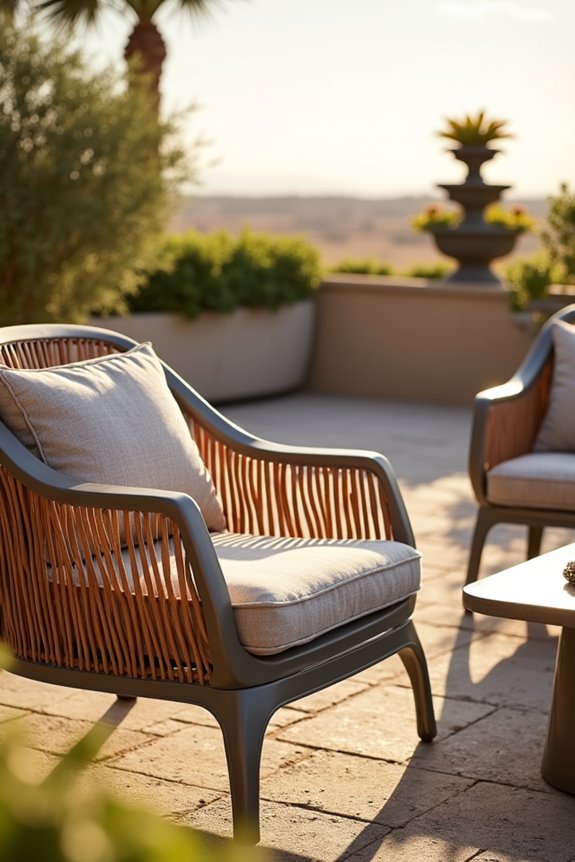
Why does patio furniture cost so much more than indoor pieces? The answer lies in what I’d call the “outdoor gauntlet”—your furniture faces sun, rain, temperature swings, and insects that indoor pieces never encounter.
What Makes the Difference:
- Marine-grade aluminum resists corrosion better than standard metals
- Grade-A teak contains natural oils protecting against rot and insects
- HDPE wicker won’t crack under UV exposure like cheaper alternatives
- Solution-dyed fabrics (like Sunbrella) resist fading and mildew year-round
- Full weld construction eliminates weak joints where water collects
These aren’t optional upgrades—they’re necessary investments. Manufacturers engineer each component specifically for outdoor survival, which requires premium sourcing and precision construction. You’re paying for durability that actually performs across seasons.
Construction Quality: What Separates Premium Sets From Cheap Knockoffs
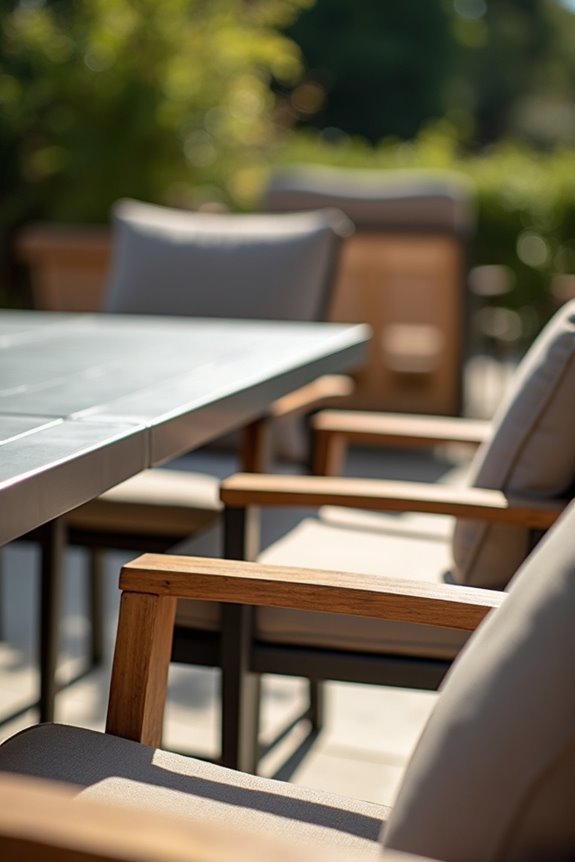
When you’re comparing two patio sets side by side, the difference between a $500 set and a $5,000 set often comes down to how they’re actually built—and I mean the nuts and bolts of it, literally. Premium furniture uses fully welded frames (where metal pieces are fused together permanently) instead of bolt-together parts that loosen over time, while the joinery and hardware on quality pieces are engineered with precision to keep moisture out and structural integrity in. You’ll notice these details matter far more than you’d expect once you’re living with your furniture through actual seasons of sun, rain, and temperature swings.
Welded Frames vs. Bolt Assembly
How much does construction method actually matter when you’re dropping serious money on outdoor furniture?
It matters more than you’d think. Premium sets use fully welded frames instead of bolt assembly, and that difference defines your furniture’s lifespan. Welded construction eliminates flex and squeaks that plague cheaper bolt-together pieces. When frames are welded solid, they maintain alignment under load and weather stress—no loosening over seasons.
Here’s the trade-off: welded frames demand heavier manufacturing processes and precise factory tolerances, which costs significantly more upfront. Bolt assembly? Cheaper initially, but those connections loosen over time, creating maintenance headaches and earlier replacement needs.
The real value: choosing welded durability means you’re investing in rigidity that lasts, not buying another set in five years.
Hardware and Joinery Precision
You’d be surprised how much the tiny metal bits and connection points determine whether your patio set stays solid or turns into a wobbling mess.
Premium furniture uses traditional joinery—think mortise and tenon joints—where wood pieces fit together like puzzle pieces without exposed hardware. This precision approach minimizes water intrusion and failure points that plague cheaper sets. Welded frames create permanent bonds, while bolt-together alternatives loosen over seasons.
| Feature | Budget Sets | Premium Sets |
|---|---|---|
| Hardware | Visible screws, rust-prone | Hidden fasteners, stainless steel |
| Joinery | Bolted connections | Traditional mortise joints |
| Precision | ±¼ inch tolerance | ±1/16 inch tolerance |
| Lifespan | 2–3 years | 10+ years |
We’re talking about joints engineered to millimeter specifications, not rough approximations. That precision costs more upfront but keeps your investment looking intentional for years.
Cushions Account for 40–60% of Cost: Here’s Why
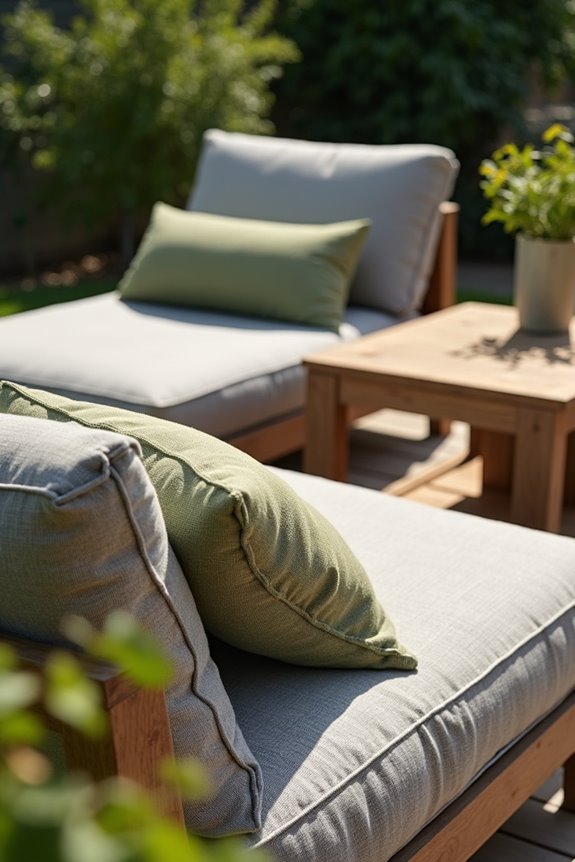
Premium Materials Matter
Quality cushions use fabrics like Sunbrella, which resist fading and moisture resistance far better than budget alternatives. These materials cost more upfront but last years longer.
Construction Complexity
- Quick-dry foam layers drain water efficiently
- Removable, zippered covers simplify cleaning
- Drainage channels prevent pooling
Real Cost Analysis
Cheaper cushions flatten and absorb water within seasons, forcing replacements. Spending more initially saves thousands in the long run. Quality cushions aren’t luxury; they’re practical math.
The Lab Tests That Prove Durability
Why’d manufacturers spend thousands testing furniture that’ll just sit on your deck? Because we want pieces that actually last.
Why’d manufacturers spend thousands testing outdoor furniture? Because we want pieces that actually last.
I’ve watched Terra run UV fade testing to simulate years of sun damage in weeks. They’re also conducting salt-spray corrosion tests—necessary for coastal homes where salt air degrades materials fast. Powder-coat adhesion testing checks if that protective finish stays bonded through temperature cycling (extreme heat and cold swings).
Here’s what sets quality apart:
- Fully welded frames verified for strength under real stress
- Handwoven wicker tension checks ensuring fabric won’t loosen
- Water drainage tests confirming cushions dry quickly to prevent mildew
These aren’t marketing gimmicks. They’re proof your investment won’t fall apart after one season.
Timeless Design: Why Quality Furniture Stays Relevant
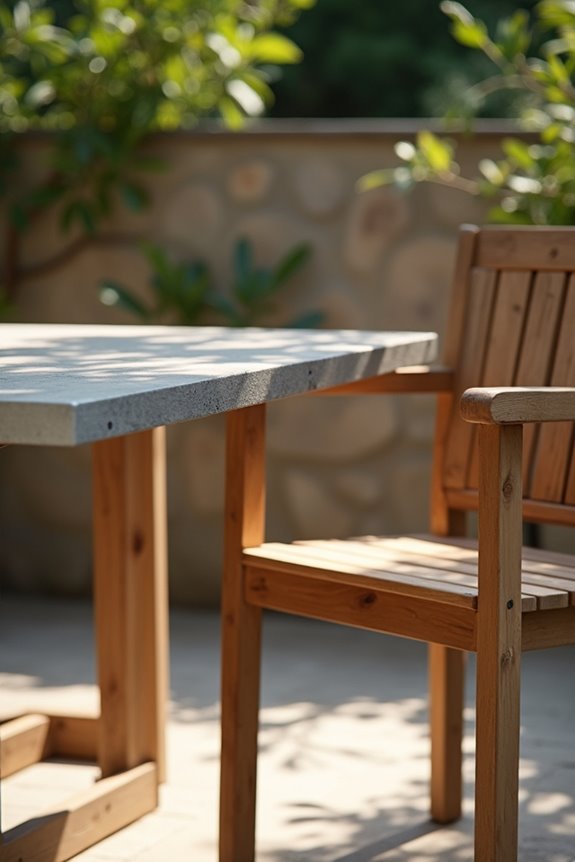
I’ve noticed that the best patio pieces don’t chase every design trend that pops up on social media—they stick around because they’re built on classic lines that work year after year. When you invest in furniture with timeless aesthetics, you’re paying for relevance that lasts 15+ years or more, which means you’re not replacing your entire setup every few seasons like you might with trendy pieces. That’s where the real value lies: a well-designed teak dining set or powder-coated aluminum lounge chair becomes more economical over time, because quality design and construction work together to keep your outdoor space looking intentional and put-together, not dated.
Classic Aesthetics Transcend Trends
- Sculptural silhouettes from designer collaborations remain visually relevant for 15+ years
- Quality construction methods like fully welded frames outlast trendy knockoffs
- Durable materials—teak, marine-grade aluminum, Sunbrella fabrics—resist fading while maintaining appeal
- Modular components let you refresh looks without replacing everything
You’re choosing furniture that ages well rather than looking shabby. Fade resistance in premium fabrics keeps your pieces bright decade after decade. That initial expense spreads across years of use, making each season significantly cheaper than constantly replacing worn-out bargain sets.
Durability Extends Design Relevance
Premium pieces use marine-grade aluminum frames, durable finishes, and Grade-A teak that resist corrosion and warping for decades. You’re not just buying a chair—you’re investing in stability.
Weather-resistant construction means:
- Fully welded frames avoid quick wear
- Teak’s natural oils prevent cracking
- HDPE wicker resists UV degradation
- Multi-layer foams and fade resistance fabrics maintain appearance over time
Timeless designs work because they’re built to last. A solid silhouette paired with durable materials simply ages better. The frame warranty alone—often 5–10+ years—signals manufacturers believe in their work. That confidence reflects in every detail, making the investment genuinely last.
Investment Value Over Time
Why does a $3,000 teak dining set feel cheaper over time than a $800 knockoff? Because it actually is.
I’ve learned that quality furniture pays dividends. When you invest in Grade-A teak, marine-grade aluminum, or HDPE wicker, you’re not just buying a chair—you’re buying years of reliability. Here’s what actually happens:
- Replacement costs drop dramatically – Quality sets last 15+ years; cheap ones need replacing every 2-3 years
- Warranty coverage protects you – Multi-year warranties mean fewer surprise repair bills
- Fabrics like Sunbrella resist fading – You’ll skip costly reupholstering for over a decade
- Maintenance stays minimal – Welded frames and traditional joinery mean less fails
The math’s straightforward. That premium piece becomes your smartest outdoor investment.
Multi-Year Warranties: What’s Actually Covered
When you’re dropping serious money on outdoor furniture, here’s what actually matters: understanding what Terra’s multi-year warranties protect and what they don’t.
Terra’s warranty coverage protects frames, finishes, and cushions against manufacturing defects. You’re getting replacements for key components that typically wear out first—think broken frames or faded cushions. Their customer support team handles claims, making the process straightforward.
| Coverage Area | What’s Protected | Duration |
|---|---|---|
| Frames | Manufacturing defects | Multiple years |
| Finishes | Peeling or cracking | Multiple years |
| Cushions | Deterioration | Multiple years |
| Parts | Replacements available | Multiple years |
| Labor | Repairs included | Multiple years |
Multi-year warranties reduce your total ownership costs by extending furniture life and covering expensive replacements. You’re paying upfront for protection during those critical early years when defects surface.
A Decade of Beauty: Why the Upfront Cost Pays Off
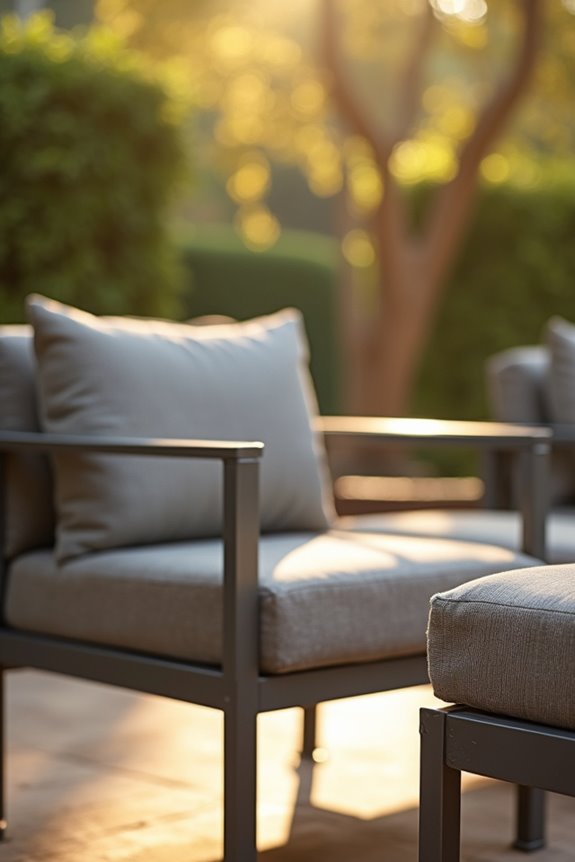
Those multi-year warranties I just mentioned? They’re backed by materials built to last. Here’s what actually makes the difference:
Premium materials and expert craftsmanship back those warranties—transforming your outdoor investment into lasting value.
- Premium materials like Grade-A teak and marine-grade aluminum resist moisture and corrosion for years
- HDPE wicker and Sunbrella fabrics withstand sun exposure without fading or breaking down
- Fully welded frames and handwoven construction outlast cheaper bolt-together sets significantly
- Multi-layer cushions with quick-dry foam need replacing far less often
Your higher upfront cost gets offset by lower long-term expenses. You’re replacing fewer pieces, spending less on maintenance, and your furniture still looks great after a decade in real outdoor conditions. That’s not just durability—it’s actual value.
Five-Year ROI: Real-World Timeline for Recouping Your Investment
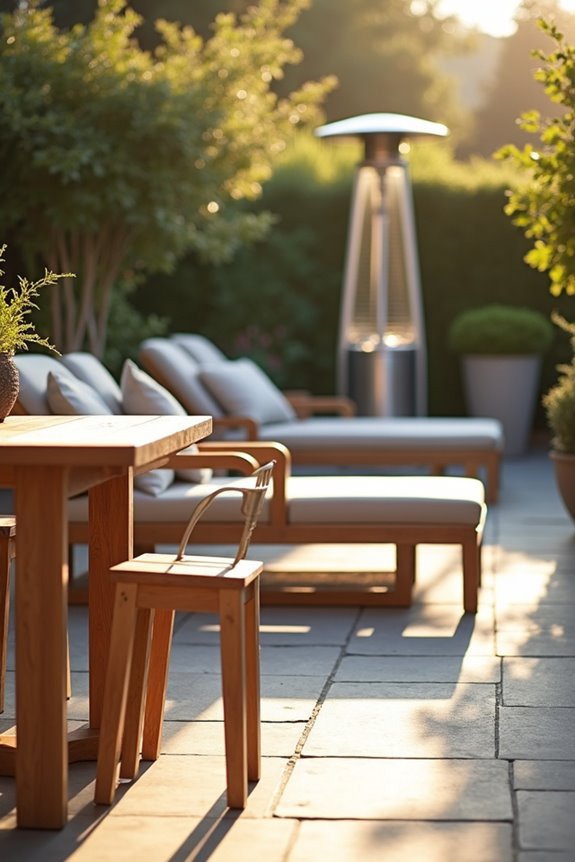
How quickly does that premium price tag actually pay for itself? Let’s talk real numbers. When you invest in durable materials like marine-grade aluminum and Sunbrella fabrics, you’re not just buying furniture—you’re buying years of use without replacement. Those cushions that eat up 60% of your couch’s cost? With Sunbrella protection, they last 10+ years instead of three. That’s your ROI unfolding right before you. Within five years, you’ve already avoided one complete furniture replacement that a cheaper set would’ve required. Factor in fewer repairs from fully welded frames and teak joinery, and suddenly that higher upfront cost becomes measurable lifetime value. You’re recouping your investment through durability alone.
What to Look For When Comparing Outdoor Furniture Brands
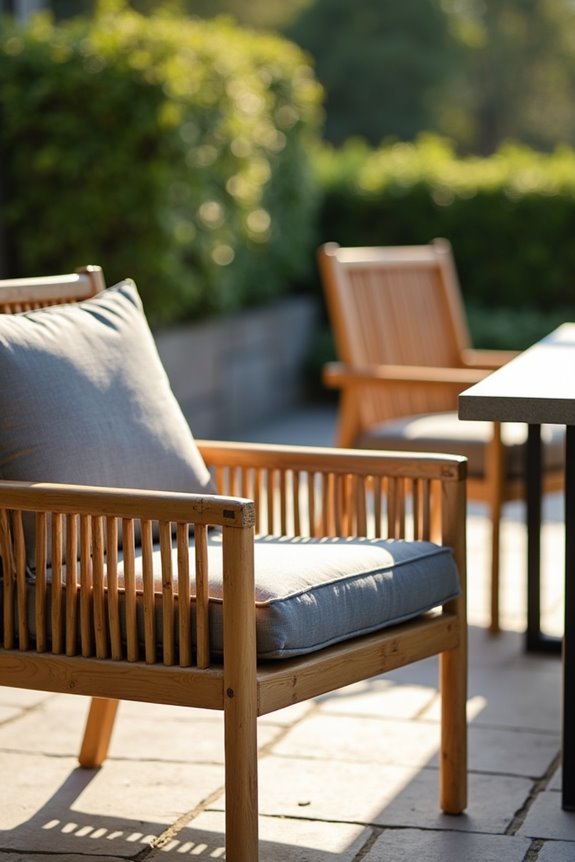
Picking the right outdoor furniture brand isn’t really about finding the prettiest set—it’s about understanding what separates a smart long-term purchase from an expensive mistake.
Picking the right outdoor furniture brand is about understanding what separates a smart long-term purchase from an expensive mistake.
When you’re comparing brands, I’d focus on these key areas:
- Frame Materials & Welds – Look for marine-grade aluminum or teak. Check that welds are fully sealed and the finish is multi-step, not quick spray-painted.
- Cushion Quality – Sunbrella fabric resists fading and mildew better than standard options. Verify drainage holes and quick-dry foam inside.
- Warranties – Compare frame coverage, finish protection, and fabric fade guarantees across brands. Longer warranties signal manufacturer confidence.
- Replacement Parts – Strong brands stock cushions and components for years, making repairs affordable rather than forcing replacements.